Category: Voyage et Loisirs

  • Seasons & Itineraries of the Indonesian Archipelago: How Aliikai Voyage Optimises Route Planning

    Seasons & Itineraries of the Indonesian Archipelago: How Aliikai Voyage Optimises Route Planning

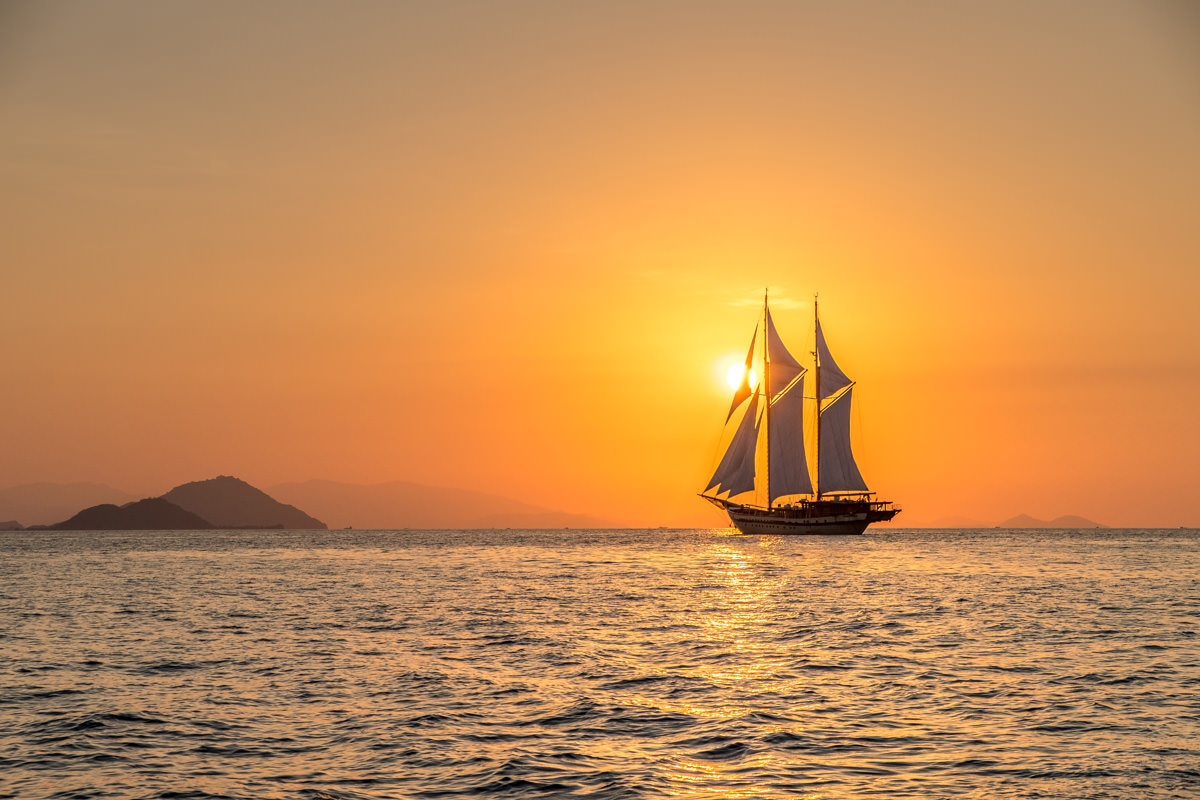
    Sailing across Indonesia’s vast collection of islands requires deep local knowledge, and Aliikai Voyage has mastered the art of planning routes that align perfectly with seasonal conditions. With the archipelago spanning thousands of kilometres and featuring multiple microclimates, understanding when and where to sail is essential for travellers seeking the smoothest seas, most transparent waters, and most rewarding experiences. From Komodo to Raja Ampat and the Spice Islands, the timing of your journey shapes everything from marine life encounters to weather and visibility.

    Understanding Indonesia’s Sailing Seasons

    Indonesia sits along the equator, creating warm weather year-round, but two main seasons influence travel: the dry season (May–October) and the wet season (November–April). Each destination in the archipelago has its own microseason, and luxury yachts adjust their itineraries to take advantage of the best conditions.

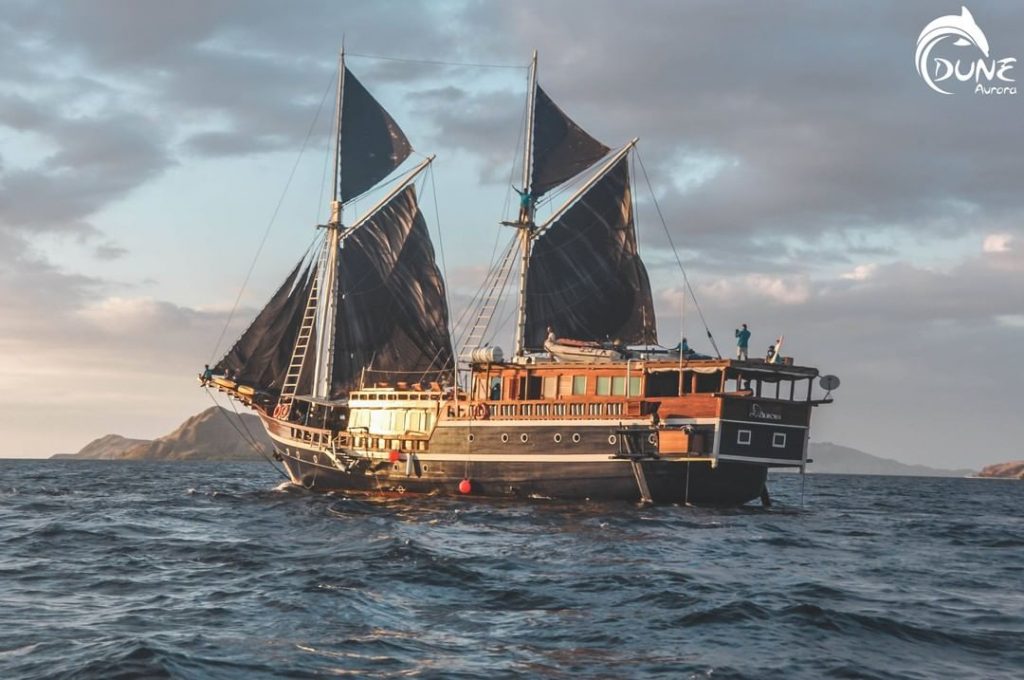
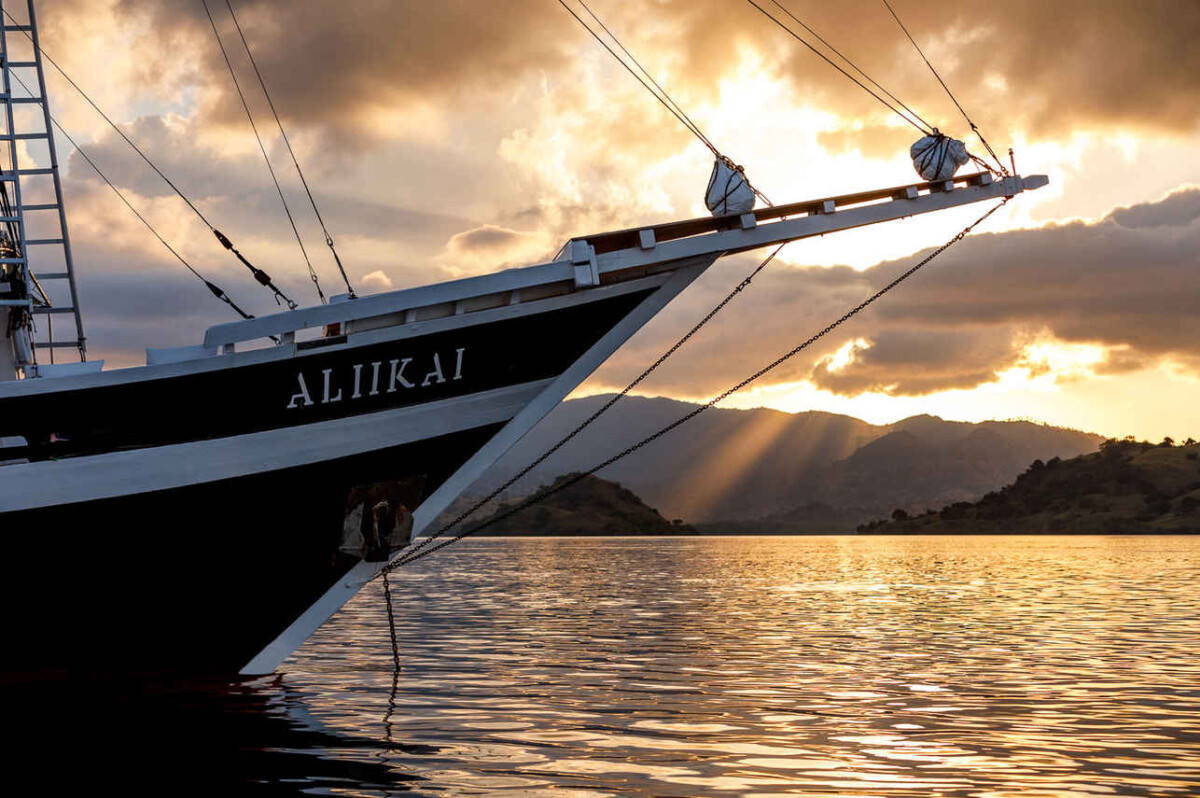
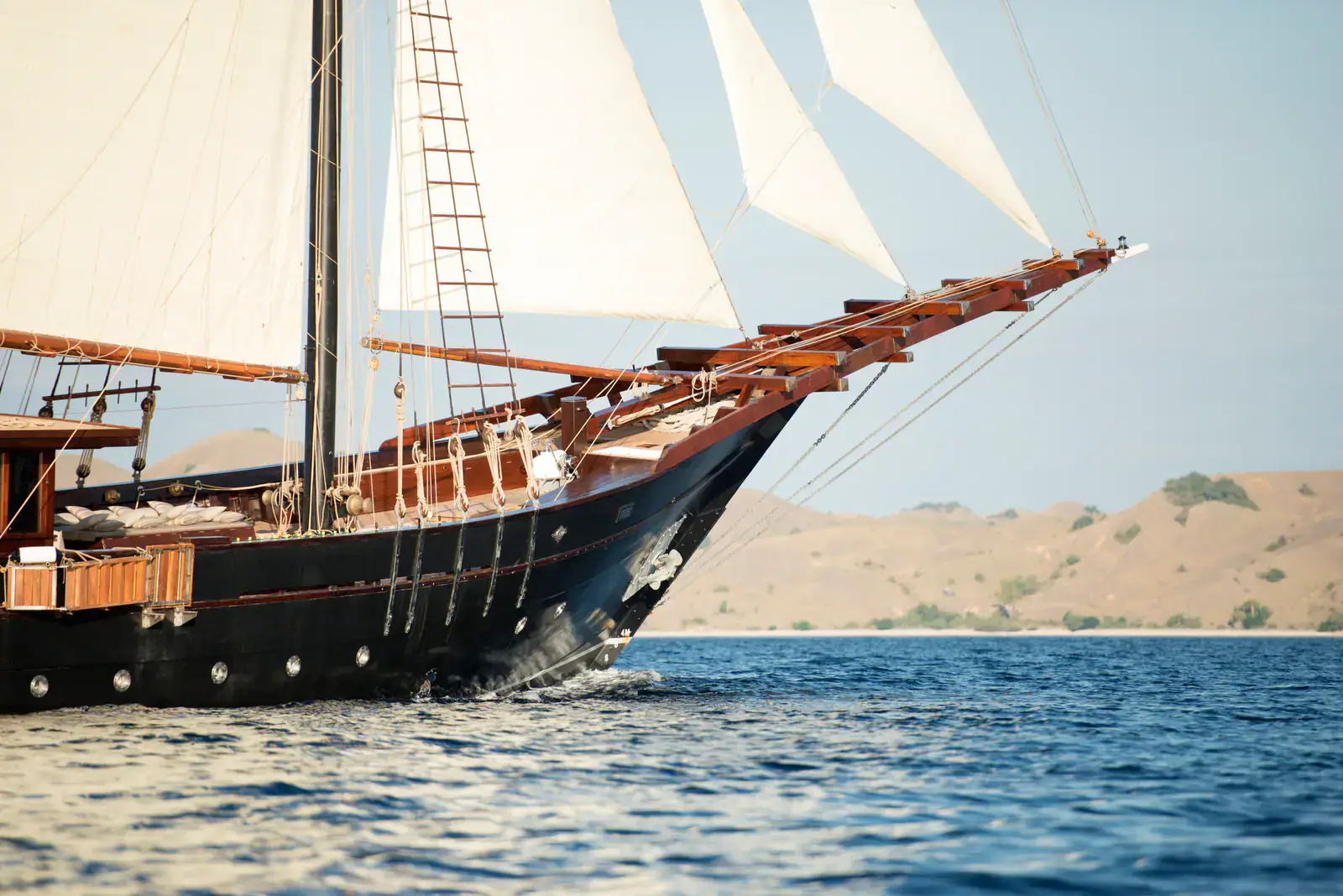
    Yachts such as Prana by Atzaro, Lamima Yacht, Amandira, Celestia Yacht, and Mutiara Laut Yacht all follow this seasonal rhythm. Yet Aliikai Voyage distinguishes itself with a more flexible, experience-focused approach, designing routes that capitalise on calm seas, marine life, and cultural opportunities unique to each region.

    Also read Exclusive Access or Shared Heritage? Debating the Komodo Tour Vision for Komodo National Park

    Komodo National Park: Best from April to October

    The Komodo region shines during the dry season, offering calm waters, sunny skies, and exceptional visibility. This is the best time to enjoy the park’s highlights:

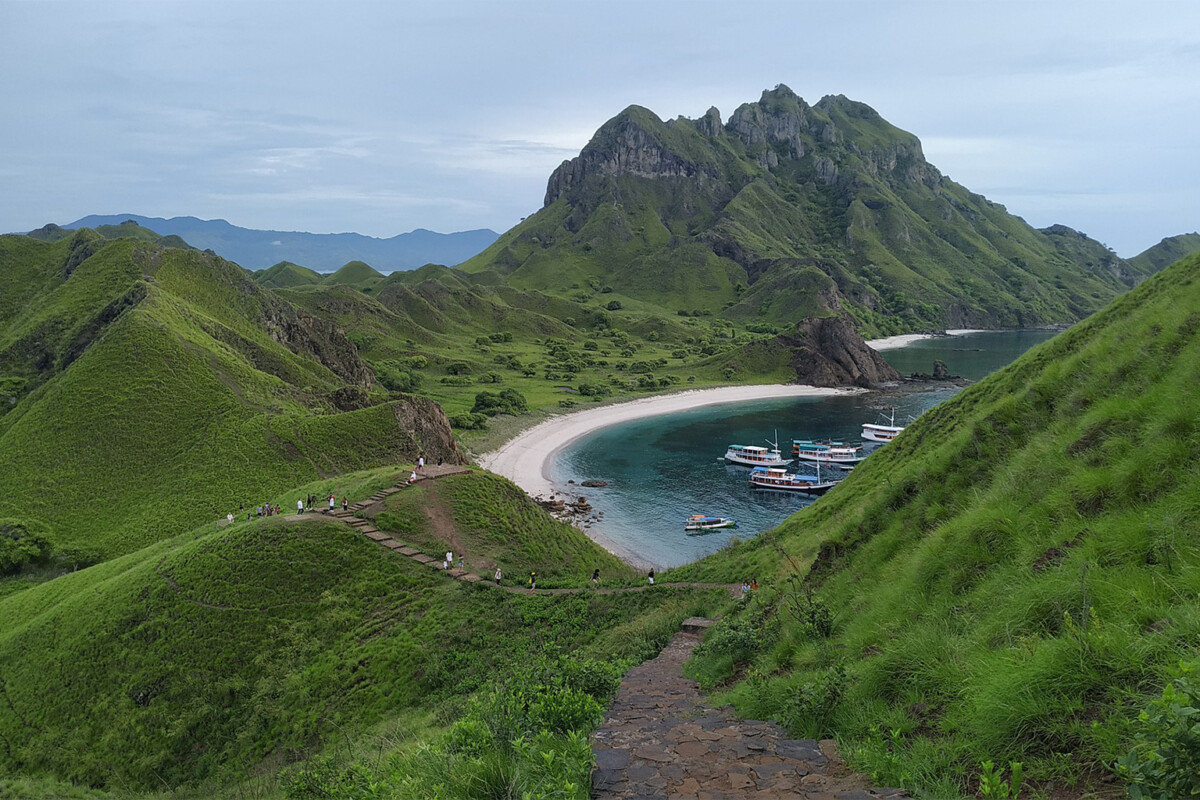
    • Hiking Padar Island
    • Meeting Komodo dragons on Rinca or Komodo Island
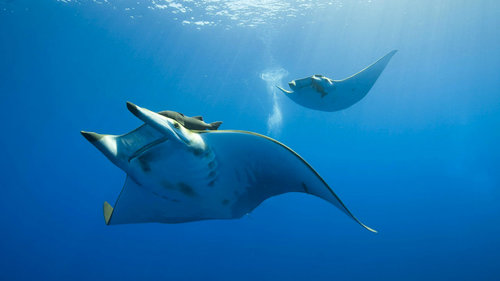
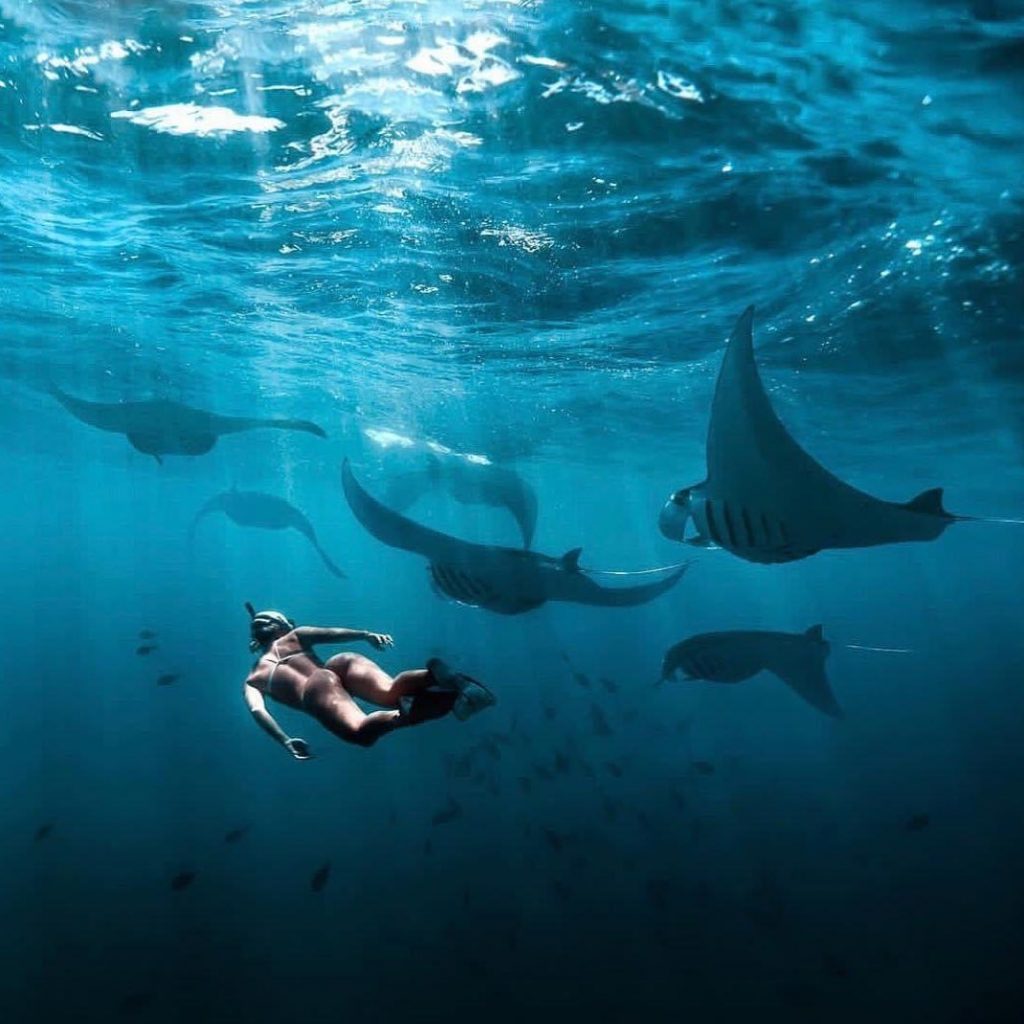
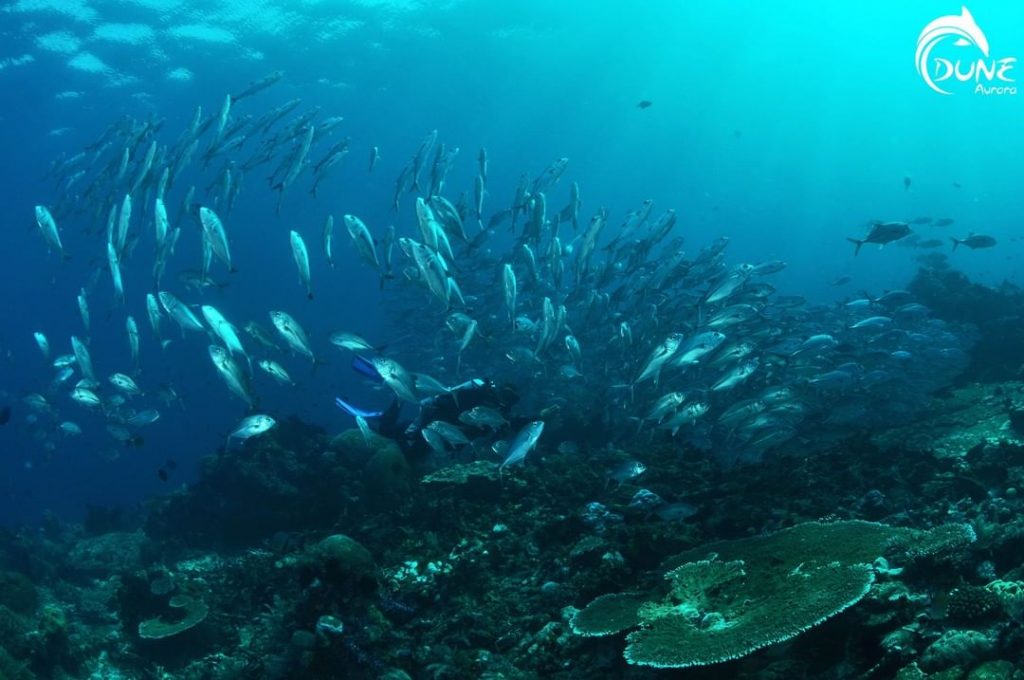
    • Snorkelling with manta rays
    • Visiting Pink Beach
    • Swimming in turquoise lagoons

    From April to June, the landscapes are still green from the rainy season, while August to October brings peak marine life activity, perfect for divers and snorkellers. This is also when Komodo boat charter bookings are highest, so early reservation is recommended.

    Aliikai Voyage often spends these months sailing through Komodo, ensuring guests enjoy ideal conditions with predictable winds and minimal rainfall. These routes are especially suitable for families, photographers, and wildlife enthusiasts.

    Raja Ampat: Prime Season from October to April

    Regarded as one of the world’s top marine destinations, Raja Ampat comes alive during the northern monsoon period when the seas are calm, and visibility is at its best. This window—October to April—is perfect for exploring the region’s legendary biodiversity:

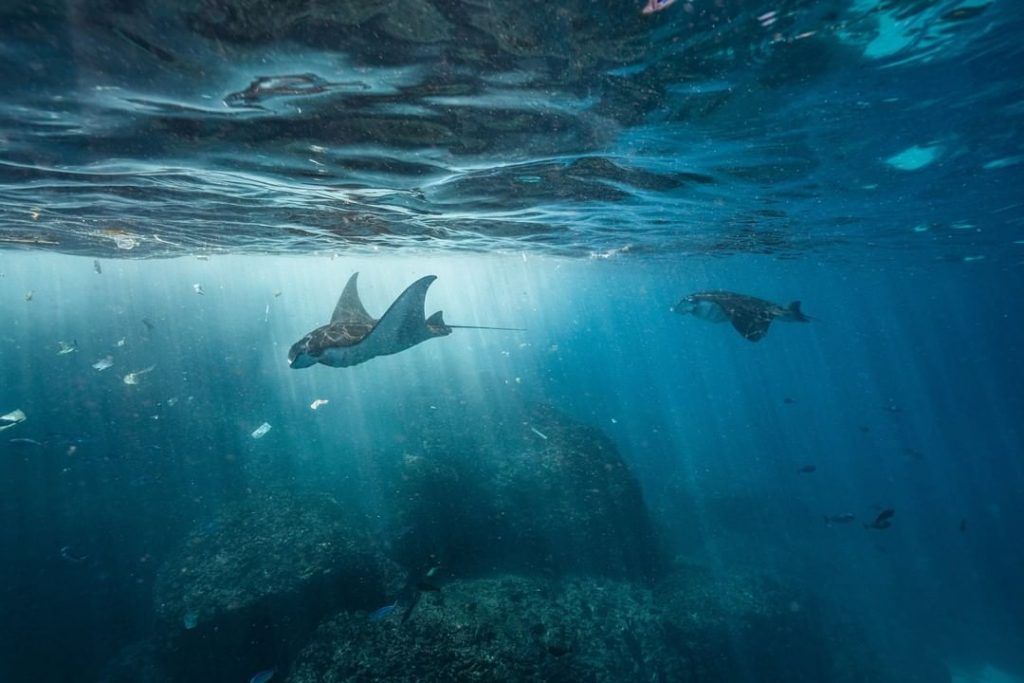
    • Manta cleaning stations
    • Soft coral gardens
    • Pygmy seahorses
    • Dramatic limestone islands
    • Crystal-clear lagoons

    Smooth sea conditions during this season make sailing comfortable even for first-time travellers. The region is also a top choice for divers, underwater photographers, and honeymooners seeking dramatic landscapes.

    Bookings for a Raja Ampat yacht charter typically peak in December and January, so travellers should secure their dates well in advance.

    Aliikai Voyage spends this period in Raja Ampat, taking guests to both the famous Dampier Strait and the quieter northern or southern zones, depending on weather patterns.

    The Spice Islands: Best from September to November & March

    Rich in history, culture, and marine life, the Spice Islands offer a different kind of journey. Here, calm weather appears at two distinct times of year: September–November and March. These shoulder-season windows provide ideal sailing conditions, minimal winds, and vibrant coral reefs.

    Highlights of this route may include:

    • Banda Neira’s Dutch colonial heritage
    • Active volcanoes and black sand beaches
    • Hammerhead shark sightings (seasonal)
    • Iconic Banda Sea drop-offs
    • Nutmeg plantations and cultural tours

    The Spice Islands are perfect for experienced travellers seeking lesser-known destinations, history lovers, and divers interested in deeper sites.

    Aliikai Voyage selects Spice Island itineraries during these short seasonal windows, ensuring travellers experience the region at its smoothest.

    Why Seasonal Route Planning Matters

    Route optimisation isn’t just about the weather—it’s about curating experiences that align with nature’s rhythm. Wind direction, swell size, marine migration, and local festivals all shape how itineraries are designed. This approach ensures travellers enjoy more wildlife encounters, more transparent waters, safer sailing, and unforgettable island experiences.

    During each region’s prime season, Aliikai Voyage strategically positions itself to maximise comfort and adventure, offering personalised routes rather than fixed, rigid itineraries. This flexibility is what sets the yacht apart from others in the region.

    When Should You Book? Insider Timing Tips

    • Komodo (April–October): Book 6–12 months in advance—especially June–September.
    • Raja Ampat (October–April): Book 9–12 months ahead for holiday periods.
    • Spice Islands (Sept–Nov & March): Book 6–9 months in advance; limited windows mean cabins fill fast.

    Travelling during shoulder seasons can also be rewarding, with fewer boats and quieter anchorages while still enjoying good conditions.

    Conclusion

    From Komodo’s dry-season magic to Raja Ampat’s calm monsoon seas and the Spice Islands’ rare windows of perfection, seasonal route planning shapes every voyage. With its deep understanding of Indonesia’s climate and geography, Aliikai Voyage crafts itineraries that offer smooth sailing, breathtaking wildlife, and unforgettable experiences—no matter the season.
  • Exclusive Access or Shared Heritage? Debating the Komodo Tour Vision for Komodo National Park

    Exclusive Access or Shared Heritage? Debating the Komodo Tour Vision for Komodo National Park

    When planning a Komodo tour, travelers often imagine untouched islands, dramatic landscapes, and rare encounters with the legendary Komodo dragon. Yet behind this idyllic image lies a growing debate: should parts of Komodo and Padar Islands become exclusive destinations reserved for premium tourism, or should they remain open and accessible to all? This question strikes at the heart of how we define heritage, who owns it, and how it should be experienced.

    The Rise of Exclusive Tourism in Komodo

    In recent years, government initiatives and private investors have introduced a “super-premium” concept for Komodo National Park. The idea is to limit visitor numbers in certain zones, increase entry fees, and develop high-end facilities designed for affluent travellers. Advocates argue that this model ensures conservation by reducing the pressure of mass tourism on fragile ecosystems.

    Supporters also claim that exclusivity attracts a different class of visitors, those willing to spend more per trip. Theoretically channeling higher revenue into conservation and local development. In theory, this would position the Komodo tour as a luxury brand comparable to the Galápagos or safari destinations in Africa.

    The Case for Shared Heritage

    On the other side of the debate are those who see Komodo National Park as a world heritage site belonging to everyone, not just the wealthy. Restricting access through expensive fees or gated developments risks alienating the very people. Local communities and average travelers—who have long celebrated Komodo’s natural wonders.

    For many Indonesians, Komodo represents national pride, and making it exclusive could feel like privatizing a treasure that belongs to all citizens. From a global perspective, UNESCO’s World Heritage framework emphasizes that sites of “outstanding universal value” should be preserved for collective enjoyment, not commodified for a narrow audience.

    Economic and Social Dimensions

    The exclusive-access model also raises questions about who really benefits. High-end resorts and luxury marinas can generate significant profits. Still, if ownership rests with external investors, local communities may see little trickle-down effect. Fishermen, homestay owners, and small tour operators in Labuan Bajo rely on an inclusive flow of visitors to sustain their livelihoods.

    If access is restricted, these groups may be overlooked in favour of large-scale businesses. This creates not only economic disparity but also a cultural imbalance. Where locals become employees in their own heritage landscape rather than active custodians and beneficiaries.

    Conservation vs Commodification

    Proponents of exclusivity highlight conservation as their primary justification: fewer visitors mean less waste, less reef damage, and reduced strain on ecosystems. While this is a valid concern, critics argue that conservation should not be synonymous with commercialization.

    Conservation can be achieved through stricter visitor guidelines, carrying capacity limits, and sustainable practices without making Komodo prohibitively expensive. For example, implementing timed entry tickets, mandatory guides, and eco-certification for boats can reduce impact while keeping the Komodo tour inclusive.

    Philosophical Perspectives on Heritage Ownership

    At its core, this debate touches on a philosophical question: who owns heritage? Suppose natural wonders like Komodo dragons are the product of millions of years of evolution. Do governments and investors have the right to restrict access based on wealth? Or should they be seen as a shared human inheritance, managed responsibly but inclusively?

    This dilemma is not unique to Komodo. Similar debates arise at Machu Picchu, the Great Barrier Reef, and national parks worldwide. The balance between preservation and accessibility requires careful thought, transparency, and community involvement.

    Toward a Middle Ground

    A possible compromise lies in a hybrid model. Certain fragile areas could adopt stricter regulations with higher fees to limit impact. At the same time, other zones remain accessible at affordable rates. This ensures that conservation goals are met without excluding those who are unable to afford luxury prices.

    Furthermore, involving local communities in decision-making ensures that policies reflect the needs of those who live closest to Komodo. When locals become stakeholders through co-managed tourism, training, and business opportunities, they have more substantial incentives to protect their heritage.

    The Komodo tour is more than a holiday; it represents the intersection of nature, culture, and global heritage. Whether Komodo becomes an exclusive playground for the wealthy or remains a shared treasure depends on the choices policymakers, businesses, and travelers make today.

    Exclusivity may generate prestige, but shared heritage fosters a sense of belonging. The future of Komodo National Park should not be defined solely by economic gain but by its ability to inspire and unite people across cultures and generations.

  • How Amandira Yacht Charter Brings Aman’s Signature Tranquility to the High Seas

    How Amandira Yacht Charter Brings Aman’s Signature Tranquility to the High Seas

    When it comes to luxury travel, few names are as synonymous with peace and balance as Aman. Known for its serene resorts and holistic wellness experiences, Aman has redefined how guests connect with themselves and their surroundings. Now, that same spirit has been translated onto the open ocean with the Amandira Yacht Charter. Offering a blend of adventure and tranquility, Amandira provides massages in the privacy of your cabin, yoga sessions on pristine beaches, spa-inspired dining, and a mindful sailing lifestyle all against the breathtaking backdrop of Indonesia’s most captivating waters.

    Amandira Yacht Charter: A Floating Aman Retreat

    Amandira is not just a yacht; it is a sanctuary at sea. Crafted in the style of a traditional Indonesian Phinisi, this vessel embodies elegance, craftsmanship, and modern comfort. Designed to host a small number of guests, it ensures privacy and exclusivity, making it ideal for families, couples, or groups of friends seeking a personal retreat.

    The yacht’s design reflects Aman’s signature aesthetic: understated luxury, natural materials, and spaces that encourage relaxation. Whether you are unwinding in your cabin, dining al fresco, or lounging on the deck, every detail of the Amandira experience is crafted to promote stillness and peace.

    Massages in the Privacy of Your Cabin

    One of the highlights of the Amandira Yacht Charter is the ability to enjoy spa treatments in complete seclusion. Skilled therapists deliver personalized massages directly in your cabin, using natural oils and techniques inspired by Aman’s wellness philosophy.

    The gentle rocking of the yacht, the sound of the sea outside your window, and the expert touch of the therapist create a unique atmosphere that is both grounding and deeply rejuvenating. Unlike traditional spas, this experience is entirely private and seamlessly integrated into your sailing journey.

    Also read The Cost of a View: Is TNK’s Rp 2 Million Drone Fee Justified with Komodo Yacht Charter?

    Yoga on the Beach: Reconnecting with Nature

    Wellness with Amandira extends far beyond the yacht itself. Guests are invited to practice yoga on some of Indonesia’s most beautiful, often untouched stretches of sand, where the only sounds are the waves and the wind.

    Guided by experienced instructors, these sessions combine mindful movement with the natural beauty of your surroundings. Sunrise yoga energizes the body for a day of exploration, while sunset sessions bring calm and reflection. Practising in such pristine settings deepens the connection between the body, mind, and nature, aligning perfectly with Aman’s holistic wellness philosophy.

    Spa-Inspired Dining at Sea

    Wellness onboard the Amandira Yacht Charter also extends to dining. Meals are carefully prepared with a focus on balance, flavour, and nutritional value. Fresh local ingredients, often sourced from nearby islands, are transformed into dishes that nourish the body and delight the palate.

    Guests can expect menus that reflect Aman’s spa-inspired approach: light yet satisfying, with options tailored to individual preferences or dietary needs. Whether enjoyed in the elegant dining area or under the stars on deck, every meal becomes part of the overall wellness journey.

    A Mindful Sailing Lifestyle

    Beyond specific treatments or activities, Amandira fosters a broader sense of mindfulness throughout the journey. Life onboard moves at a slower pace, guided by the rhythms of the sea and the natural environment.

    Guests are encouraged to unplug, leaving behind the constant pull of digital distractions. Instead, time is filled with simple pleasures: reading a book on the deck, snorkeling in coral gardens, sharing stories over dinner, or meditating as the sun sets. This mindful approach to sailing reflects Aman’s philosophy of living fully in the present moment.

    Exploring Indonesia’s Serene Waters

    The setting is as important as the onboard experience. Amandira sails through some of Indonesia’s most remarkable destinations, including Komodo National Park, Raja Ampat, and the Banda Sea. These areas are renowned not only for their natural beauty but also for their tranquility.

    Crystal-clear waters, remote islands, and vibrant marine life create a backdrop that enhances every wellness experience. Each stop offers opportunities to explore, but always at a pace that maintains the yacht’s atmosphere of calm and balance.

    Aman’s Tranquility on the High Seas

    The Amandira Yacht Charter is more than a luxury voyage; it is a moving Aman sanctuary. By blending massages in private cabins, yoga on secluded beaches, spa-inspired dining, and a mindful sailing lifestyle, Amandira redefines what it means to experience wellness onboard.

    For travelers seeking both adventure and serenity, Amandira offers the best of both worlds: the freedom of the ocean paired with Aman’s signature tranquility. It is a journey that nurtures body, mind, and spirit long after the sails have been lowered.

  • Seasonal Guide to Komodo Diving: How Long to Stay in Dry vs. Wet Season

    Seasonal Guide to Komodo Diving: How Long to Stay in Dry vs. Wet Season

    Planning a Komodo diving trip requires careful consideration of the time of year, as the season significantly impacts your experience underwater and the ideal length of your stay. Komodo National Park, a UNESCO World Heritage Site in Indonesia, is renowned for its vibrant marine biodiversity, from colorful coral reefs to majestic manta rays. However, the dry and wet seasons offer distinct diving conditions, affecting everything from visibility to site accessibility. This guide explores how long you should stay in Komodo for diving during each season, ensuring you make the most of your adventure. Whether you’re a seasoned diver or a weather-conscious traveler, we’ll help you plan the perfect trip with practical tips and seasonal insights.

    Understanding Komodo’s Diving Seasons

    Komodo National Park, located near Labuan Bajo, is a year-round diving destination. Still, it’s two distinct seasons, dry (April to October) and wet (November to March), that shape the diving experience. Each season has unique advantages and challenges, influencing how many days you’ll need to enjoy Komodo diving fully. By aligning your trip with the right season and duration, you can optimize your time exploring iconic sites like Batu Bolong, Crystal Rock, and Manta Point.

    Dry Season (April–October): 5–7 Days for Ideal Conditions

    The dry season is the most popular time for Komodo diving, offering calm seas, excellent visibility (often exceeding 20 meters), and stable weather. With minimal rainfall and gentler currents, this period is ideal for divers of all levels, from beginners to advanced. A 5–7-day trip is recommended to balance diving with relaxation and exploration.

    During the dry season, you can dive multiple times daily, visiting a variety of sites. For example, Castle Rock and Crystal Rock are known for strong currents but reward divers with schools of trevally and vibrant corals. A 5-day itinerary allows you to cover 8–10 dives, hitting must-see sites like Tatawa Besar and Manta Point, where manta rays gather in large numbers. Adding a couple of extra days (up to 7) gives you time for land-based adventures, such as trekking to see Komodo dragons on Rinca or Komodo Island.

    For a 5-day trip, focus on day trips from Labuan Bajo, which typically include 2–3 dives per day. A 7-day trip, however, is perfect for liveaboards, which offer access to remote sites like South Komodo’s Mawan or Padar’s Three Sisters. The dry season’s predictability means you won’t need buffer days for weather disruptions, making 5–7 days sufficient for a fulfilling Komodo diving experience.

    Pro Tip: Check weather forecasts on sites like Windy to confirm calm conditions before booking. Opt for dive operators with flexible schedules, such as Flores Diving Centre, to maximize your dive time.

    Also read Combining Wellness and Exploration: Yoga and Spa Retreats on Komodo Liveaboards

    Wet Season (November–March): 7–10 Days for Flexibility

    The wet season brings more rainfall, higher humidity, and occasionally rough seas. However, it’s still a fantastic time for Komodo diving, especially for those seeking unique marine encounters. Visibility may drop to 10–15 meters in some areas, and currents can be stronger, making this season better suited for experienced divers. To account for potential weather disruptions, a 7–10-day trip is recommended.

    One of the wet season’s highlights is the increased presence of manta rays, particularly at Manta Point and Manta Alley, where aggregations are more frequent due to nutrient-rich waters. Sites like Batu Bolong remain accessible, though conditions may require advanced skills. A 7-day itinerary allows for 10–12 dives, but adding a few extra days (up to 10) provides a buffer for rain or choppy seas, ensuring you don’t miss key sites.

    Liveaboards are especially popular in the wet season, as they can navigate to calmer areas when conditions shift. For example, a 7-day liveaboard might cover both North and South Komodo, including sites like Gili Lawa Laut, known for its shark sightings. Land-based diving from Labuan Bajo is also viable. However, you may need to adjust plans based on daily weather updates. A 10-day trip gives you the flexibility to mix diving with cultural activities, such as visiting local villages or exploring the pink sands of Pantai Merah.

    Pro Tip: Monitor weather updates through AccuWeather or local dive operator reports. Book with operators like Blue Marlin Komodo, which offer adaptable itineraries to navigate wet season challenges.

    Seasonal Highlights to Plan Your Trip Around

    Each season offers unique marine encounters that can influence your Komodo diving duration. In the dry season, the focus is on vibrant coral gardens and large pelagics like reef sharks and groupers, with sites like Shotgun delivering thrilling drift dives. The calm conditions allow for more consistent dive schedules, making a shorter 5–7-day trip highly productive.

    In the wet season, manta ray aggregations steal the show, particularly from January to March. You might also spot juvenile whale sharks in certain areas, adding excitement to your dives. However, unpredictable weather means you’ll need extra days to ensure you can visit these bucket-list sites. A 7–10-day trip ensures you have enough time to wait out brief storms and still enjoy 10–15 dives.

    Practical Tips for Planning Your Komodo Diving Trip

    Komodo diving in dry season
    1. Check Weather Forecasts: Use reliable tools like Windy or AccuWeather to track sea conditions and rainfall. This is especially crucial in the wet season to avoid scheduling dives during rough weather.
    2. Book Flexible Itineraries: Choose dive operators with adaptable schedules. Reputable operators like Flores Diving Centre or Blue Marlin Komodo offer tailored trips and can adjust plans based on conditions.
    3. Consider Your Skill Level: The dry season suits all divers, while the wet season’s stronger currents may require advanced certifications. Plan your trip length based on your comfort level with challenging conditions.
    4. Mix Diving with Land Adventures: Both seasons offer opportunities to complement diving with Komodo dragon treks or snorkeling at Pink Beach. A 7-day trip (dry season) or 10-day trip (wet season) allows time for these extras.
    5. Pack for the Season: In the dry season, bring lightweight gear and sun protection. For the wet season, include waterproof bags and quick-dry clothing to handle rain.

    How Long Should You Stay?

    For the dry season (April–October), a 5–7-day trip is ideal, offering calm seas, excellent visibility, and enough time to explore Komodo’s best dive sites. In the wet season (November–March), plan for 7–10 days to account for weather variability and to catch seasonal highlights like manta ray aggregations. Whether you choose a liveaboard or land-based diving, aligning your trip length with the season ensures a memorable Komodo diving adventure.

  • RIB Boat: Embracing Sustainability and Minimizing Environmental Impact

    RIB Boat: Embracing Sustainability and Minimizing Environmental Impact

    Rigid Inflatable Boats (RIBs) have become increasingly popular due to their versatility, durability, and performance. A RIB boat is a lightweight, high-performance watercraft that combines the stability and buoyancy of an inflatable boat with the strength and manoeuvrability of a rigid, hard-bottomed vessel. RIB boat are renowned for their durability, speed, and fuel efficiency, making them ideal for various uses such as military, search and rescue, leisure, and commercial applications.

    A RIB boat primarily comprises two main parts: a rigid hull made from fibreglass, aluminium, or carbon fibre, and an inflatable collar (tube) usually constructed from Hypalon or PVC. The inflatable collar provides buoyancy, stability, and shock absorption, while the rigid hull offers structural support and improved handling.

    Environmental Impact

    Emissions

    Like any motorized watercraft, rigid inflatable boats produce emissions that contribute to air and water pollution. These emissions typically come from the combustion of fossil fuels in the boat’s engine. However, due to their lightweight design and fuel efficiency, inflatable boats produce lower emissions than traditional boats with similar engine power.

    Noise Pollution

    Those with powerful engines can generate significant noise pollution in the surrounding environment. This noise can disturb marine life and negatively impact local ecosystems. Therefore, it is essential to consider noise reduction strategies when operating inflatable boats.

    Sustainable Practices in RIB Boat Manufacturing

    Hybrid RIB Boat

    One notable innovation in rigid inflatable boat sustainability is the introduction of hybrid models that utilize electric and diesel engines. These boats, such as the Ribcraft Hybrid Patrol RHIB, offer seamless switching between electric and diesel propulsion, allowing for emission-free and virtually silent operation in electric mode. When operating in diesel mode, the engine charges the batteries, further enhancing fuel efficiency and reducing emissions.

    Eco-friendly Materials

    Another step towards sustainability is using eco-friendly materials in inflatable boat construction. For example, manufacturers increasingly opt for recyclable materials like aluminium and carbon fibre for rigid hulls. Additionally, some companies are exploring using bio-based, non-toxic alternatives to traditional PVC and Hypalon for inflatable collars.

    Efficient Engine Technology

    Advancements in engine technology have led to more fuel-efficient and environmentally friendly engines for inflatable boats. These engines reduce emissions and extend maintenance intervals, resulting in cost savings for boat owners.


    Read More:

    Yacht Rental Bali: Your Ultimate Guide to Luxury Cruising in Paradise

    Fine Line Tattoos: The Delicate Artistry Captivating Women in Bali


    Sustainable Boating Tips for RIB Boat Owners

    RIB boat

    Regular Maintenance

    Proper boat maintenance is essential for optimal performance and fuel efficiency. This includes checking and replacing the engine oil, inspecting the inflatable collar for leaks, and cleaning the boat’s hull to reduce drag and improve fuel efficiency.

    Responsible Boating

    When operating inflatable boats, it is crucial to follow responsible boating practices to minimize environmental impact. This includes adhering to speed limits, avoiding sensitive marine habitats, and disposing of waste properly.

    Green Products

    Consider using eco-friendly cleaning products and antifouling paints for your boat. These products are not only better for the environment but also help prolong the life of your boat.

    The Future of RIB Boat and Sustainability

    As the demand for environmentally friendly watercraft grows, the boat companies industry will likely continue to innovate and improve its sustainability practices. The development of hybrid models, eco-friendly materials, and advancements in engine technology all point to a more sustainable future for RIB boats.

  • Yacht Rental Bali: Your Ultimate Guide to Luxury Cruising in Paradise

    Yacht Rental Bali: Your Ultimate Guide to Luxury Cruising in Paradise

    Are you dreaming of an exotic getaway where you can indulge in the beauty of nature while cruising on a luxurious yacht? Look no further than Bali, the Indonesian paradise known for its stunning beaches, clear waters, and vibrant culture. In this article, we will guide you through everything you need about yacht rental in Bali, from the best places to sail to the types of yachts available.

    Introduction to Bali

    Bali is a province of Indonesia located between Java and Lombok islands. It is known for its stunning natural landscapes, including beaches, mountains, and rice terraces, and its rich cultural heritage. Bali is a popular tourist destination, attracting millions of visitors annually, and it’s easy to see why.

    Why Rent a Yacht in Bali?

    Bali is an ideal destination for yacht enthusiasts, with crystal-clear waters, stunning marine life, and breathtaking scenery. When renting a yacht in Bali, you experience the island’s beauty from a new perspective. You can visit secluded coves and beaches that are only accessible by boat, go snorkeling or diving in the most pristine waters, and enjoy the luxury of sailing on a fully crewed yacht.

    Types of Yacht Rental in Bali

    Types of Yacht Rental in Bali

    Many types of yachts are available for rental in Bali, from small motorboats to luxurious superyachts. The type of yacht you choose will depend on your preferences and budget. Some of the most popular types of yachts available in Bali include:

    Motor Yachts

    Motor yachts are the most popular type of yacht for rental in Bali. They are ideal for those who want to explore the island quickly and comfortably. Motor yachts can reach high speeds and are perfect for water sports such as wakeboarding, waterskiing, and tubing.

    Sailing Yachts

    Sailing yachts are perfect for those who want a more traditional sailing experience. They are typically slower than motor yachts but offer a more relaxed and peaceful sailing experience. Sailing yachts are ideal for those who want to enjoy the scenery and take in the natural beauty of Bali.

    Catamarans

    Catamarans are popular for those who want a more stable and spacious yacht. They are ideal for families or groups of friends who want to spend time together on a yacht. Catamarans offer ample space for sunbathing, lounging, and dining.

    Superyachts

    Superyachts are the way for those who want the ultimate luxury experience. These yachts have the latest technology and luxurious amenities, including jacuzzis, swimming pools, and helipads. They are perfect for those who want to indulge in the ultimate luxury and privacy.


    Read More About Liveaboard:

    Rencontre avec les raies Manta sur Nusa Penida Diving!


    Best Places to Sail in Bali

    Bali is surrounded by stunning waters that offer endless opportunities for sailing and cruising. Here are some of the best places to sail in Bali:

    Nusa Lembongan

    Nusa Lembongan is a small island off Bali’s southeast coast. It is known for its crystal-clear waters and stunning coral reefs, making it a perfect destination for snorkeling and diving. Nusa Lembongan is also home to some of the best surf breaks in Bali.

    Gili Islands

    The Gili Islands are a series of three tiny islands off Lombok’s northwest coast. They are known for their pristine beaches, crystal-clear waters, and stunning marine life. The Gili Islands are a popular destination for snorkeling and diving.

    Komodo National Park

    A UNESCO World Heritage Site, Komodo National Park, is in eastern Indonesia. It is home to the famous Komodo dragon and some of the most pristine waters in the world. Sailing in Komodo National Park is an unforgettable experience, with opportunities for snorkeling, diving, and trekking.

    Nusa Penida

    The little island of Nusa Penida is located southeast of Bali. It is known for its rugged coastline, stunning beaches, and crystal-clear waters. Sailing around Nusa Penida offers opportunities to explore hidden coves and secluded beaches only accessible by boat.

  • Labuan Bajo Tour: From Culture to Nature

    Labuan Bajo Tour: From Culture to Nature

    Labuan Bajo is a picturesque town on the western coast of Flores, Indonesia. The Labuan Bajo tour has become popular for tourists and adventurers because of its stunning views, diverse culture, and unique wildlife. Whether you’re interested in exploring the cultural heritage of Flores or experiencing the beauty of its natural landscapes, Labuan Bajo has something to offer everyone.

    This article will take you on a tour of Labuan Bajo, from culture to nature. Whether you’re a seasoned traveler or a first-time visitor, this tour will provide a comprehensive look at what this beautiful town offers. So buckle up, and let’s get started!

    The Cultural Heart of Labuan Bajo

    labuan bajo tour

    Labuan Bajo is a melting pot of different cultures with a rich history that dates back to the 15th century. From traditional dances and festivals to local markets and museums, there are plenty of opportunities to learn about the cultural heritage of Flores.

    One of the best ways to experience the culture of Labuan Bajo is to visit one of the many local markets in the area. Here, you’ll find everything from handmade crafts to fresh produce and experience the local people’s daily life firsthand.

    Another great way to learn about the culture of Flores is to visit one of the many museums in the area. For example, the Labuan Bajo Museum showcases the town’s rich history and provides an in-depth look at the cultural heritage of Flores.

    The Natural Wonders of Labuan Bajo

    In addition to its rich culture, Labuan Bajo is also known for its stunning natural landscapes. From crystal-clear waters and pristine beaches to towering mountains and lush forests, the area is home to some of the most breathtaking scenery in Indonesia.

    One of the most popular natural attractions in Labuan Bajo is Rinca Island, home to the famous Komodo dragons. You can join a guided tour and witness these magnificent creatures in their natural habitat.

    Another must-visit destination is the Kelimutu National Park, home to three stunning crater lakes with different-colored waters. The park is also home to many plant and animal species, making it a popular destination for nature enthusiasts and photographers.

    A Haven for Adventure Seekers

    For those looking for an adventure, Labuan Bajo has plenty to offer. From snorkeling and scuba diving to hiking and trekking, there’s no shortage of activities to keep you entertained.

    One of the best ways to experience the underwater beauty of Flores is to join a snorkeling or scuba diving tour. Here, you’ll have the opportunity to explore the vibrant coral reefs and witness the area’s diverse marine life.

    Manta on Labuan Bajo Tour

    For those looking for a more challenging adventure, the Manggarai region of Flores offers a variety of hiking and trekking trails, ranging from easy to complex. Whether you’re looking for a leisurely hike or a strenuous climb, there’s something for everyone in the Manggarai region.

    The Best Accommodation in Labuan Bajo

    Whether you’re looking for a luxurious or budget-friendly retreat, Labuan Bajo has many accommodation options to suit every traveler. From high-end resorts to charming homestays, there’s something to suit every taste and budget.

    One of the most popular accommodation options in Labuan Bajo is the liveaboard option. Here, you’ll be able to spend several days exploring the scenic waters of Flores and sleeping aboard a comfortable boat.

  • À propos des voyages avec des animaux de compagnie

    About Travelling With Pets You Should Consider
    Original public domain image from Wikimedia Commons

    Les animaux de compagnie sont devenus des membres de notre famille, alors les laisser pendant que nous devons voyager à l’étranger me brise le cœur. C’est pire quand vous n’avez pas de personnes en qui vous pouvez avoir confiance pour les garder pendant que vous êtes absent. Il pourrait ne pas être un problème si vous voyagez par votre propre véhicule. Mais c’est différent quand il faut prendre l’avion. Prendre votre animal de compagnie avec vous peut coûter beaucoup et vous devez considérer de nombreux facteurs pour les prendre en toute sécurité avec vous.

    Pourquoi ne pas laisser votre animal avec vos amis ou votre famille
    Il peut être une bonne solution si votre voyage est considéré comme court, mais si elle est longue, il y a un risque que votre animal de compagnie détruire les meubles de votre ami ou de votre famille, causer un accident interne, ou endommager leurs planchers, vous faisant payer le coût coûteux. Il est également possible pour votre animal de compagnie d’être malade ou blessé pendant que vous êtes loin. Le choix plus facile tombe parfois à apporter votre animal de compagnie avec vous.

    Éléments à prendre en considération lorsque vous voyagez avec un animal de compagnie

    Il est fortement recommandé de vous renseigner sur les directives du transporteur aérien concernant les animaux de compagnie et les frais supplémentaires avant de réserver votre vol. Vous devez déterminer si votre animal de compagnie volera en cargo, en bagages excédentaires ou en cabine.

    Expédier vos animaux en toute sécurité lorsque vous voyagez avec eux

    Essentiellement, il y a trois façons dont vous pouvez voyager avec vos animaux de compagnie comme mentionné plus tôt.

    Tout d’abord, votre animal peut voyager avec vous en cabine ou en soute. Il sera considéré comme un bagage excédentaire ou accompagné. Cela signifie qu’ils seront inculpés en tant que tels. Cependant, toutes les compagnies aériennes n’offrent pas cette option et certaines ont même des restrictions plus strictes sur les races qui peuvent voler. Pour voyager en cabine, l’animal doit peser moins de 15 livres, y compris le poids du transporteur.

    Tenez compte de la météo avant de voyager avec votre animal de compagnie

    Tenez compte de la météo avant de voyager avec votre animal de compagnie
    Free ragdoll cat in a briefcase image, public domain CC0 photo.

    N’oubliez pas que certaines compagnies aériennes n’autorisent pas les voyages en soute pendant certaines périodes en raison des conditions météorologiques. La cargaison peut être trop chaude ou froide, ce qui n’est pas un endroit idéal pour faire voler votre animal. Voler peut être très stressant pour les animaux de compagnie, alors assurez-vous que votre animal sera à l’aise pour s’asseoir, dormir, se tenir debout et faire demi-tour dans un transporteur robuste si vous envisagez de les mettre dans une cargaison. N’oubliez pas de toujours suivre les règlements ainsi que d’appeler et de vérifier à l’avance pour vous assurer de voyager avec votre animal en toute sécurité.

  • Rencontre avec les raies Manta sur Nusa Penida Diving!

    Rencontre avec les raies Manta sur Nusa Penida Diving!

    Voulez-vous plonger à Nusa Penida, Bali ? Si les voyageurs réguliers connaissent Nusa Penida pour sa plage de Kelingking ressemblant à un dinosaure, cette île est célèbre pour sa raie Manta et Mola Mola observation parmi les plongeurs. En raison du fait que vous pouvez presque toujours voir les raies manta à Manta Point, c’est l’un des sites de plongée les plus connus à Nusa Penida. Vous verrez aussi des requins, des macros, des raies marbrées, des raies aigles et des raies piqueuses avec un bon guide en plus des raies manta.

    Rencontre Avec la Raie Manta Pendant la Plongée Nusa Penida

    Les raies manta tout au long de l’année sont l’un des plus grands attraits de Nusa Penida. Il n’y a pas de saison de manta spécifique en plongée Nusa Penida. Cependant, vous voudrez peut-être aller autour de Juin à Septembre quand il est les mois les plus secs pour plonger à Nusa Penida pour la meilleure expérience. 

    Que ce soit votre première rencontre de manta ou que vous ayez la chance d’en avoir perdu le compte, c’est toujours une expérience spectaculaire. Ces gracieux géants de l’océan ne manquent jamais de faire une plongée incroyable. Sur le côté sud de l’île, à deux endroits principaux appelés Manta Bay et Manta Point, sont les spots de plongée où nous les voyons. Tous les niveaux de plongeurs, y compris les enfants, peuvent plonger dans cet endroit.

    Lire la Suite:

    Meilleurs site de plongée à Bali pour voir des animaux marins en voie de disparition

    Observation de la Raie Manta à Nusa Penida

    Observation de la raie Manta à Nusa Penida

    Lorsque vous plongez à Manta Point Nusa Penida, allez sur le plateau de corail où la Manta traîne habituellement. Les raies Manta traînent habituellement autour de la station de nettoyage, l’endroit où Manta obtenir leur traitement de spa. 

    La station de nettoyage Manta Ray abrite de nombreuses têtes de corail qui agissent comme stations de nettoyage des rayons manta. Les raies Manta encerclent régulièrement la tête du corail dans cet écosystème complexe, ce qui permet aux poissons plus propres — surtout les coléoptères — d’éliminer leurs germes et autres microbes parasites. De plus, le plancton, que les raies manta peuvent consommer pendant le nettoyage, est très répandu.

    Nous traversons souvent un immense plateau corallien animé de vie marine pour voir la deuxième station de nettoyage si la raie Manta. Vous apprécierez la variété de la flore locale à Manta Point. Enfin, après avoir suivi l’eau, vous atteindrez les roches et les bosses spécifiques où les requins récifaux peuvent être vus.

    Localisation de la Pointe Manta Lors de la Plongée à Nusa Penida

    Presque près du centre de la côte sud-ouest de l’île de Nusa Penida est Manta Point. Vous verrez un panneau vers Manta Point sur la gauche si vous voyagez par voie terrestre vers les cascades de Peguyangan. Vous pourrez voir l’océan depuis une falaise près d’un temple blanc et observer les raies manta de là. La seule façon de nager, de faire de la plongée avec une raie manta est de prendre un bateau parce qu’il n’y a aucun moyen de descendre à la mer à partir de là.

    Lire la Suite: 

    Plonger avec les dieux sous-marins : un site de plongée incontournable à Bali !

    Voir une Autre vie Marine Merveilleuse à Manta Point

    Alors que la pointe Manta est célèbre pour les Mantas, mais c’est aussi un site de plongée incroyable où tout peut apparaître. Vous y verrez aussi souvent des requins bambous et des raies tachetées bleues. Il est également un point culminant de voir des organismes plus petits, comme les espèces rares de nudibranches, crevettes Zanzibar, crabes de porcelaine. Vous pourriez même rencontrer un superbe poisson gelée.

  • Voir la Plupart des Sites de Plongée de Bali avec des Vacances en Bateau de Croisière !

    Want to experience the best of all dive sites in Bali? Try a week sailing trip with diving liveaboard to explore Bali’s underwater!

    Certains plongeurs voyageurs se contentent d’entasser quelques plongées dans leur itinéraire, tandis que d’autres sont obsédés par la plongée sous-marine et veulent être sous l’eau à tout moment. Cependant, si vous avez besoin de voler vers des destinations spécifiques comme Bali pour la plongée, vous voudrez peut-être en profiter au maximum. Si vous souhaitez visiter plus de sites de plongée pendant vos vacances de plongée à Bali, vous avez deux choix : planifier un voyage de plongée à terre qui comprend le transport, plusieurs hôtels et le transport du matériel de plongée dans les deux sens, ou monter sur un bateau de croisière, s’installer dans votre “hôtel sur l’eau” et laissez une équipe de plongée expérimentée s’occuper du reste. C’est l’essence même des expériences de plongée en croisière.

    Embarquez sur un bateau de croisière pour visiter plus de sites de plongée à Bali

    Les bateaux de croisière consistent à vous immerger complètement dans l’eau et sa vie marine, à accéder aux meilleurs sites de plongée de la région et à passer votre voyage de plongée sous-marine avec d’autres personnes qui partagent votre passion pour la plongée.

    Moins de temps nécessaire pour voyager entre les sites

    Moins de temps nécessaire pour voyager entre les sites

    Alors que la plongée terrestre implique parfois de longs trajets en bus vers votre destination suivis de longs trajets en bateau vers les sites de plongée de Bali, lors de vacances de plongée en croisière, vous vous réveillez tous les jours sur le site de plongée, prêt à plonger. Un équipage formé et un skipper à la barre d’un bateau de croisière connaissent la région comme leur poche. Ils vous emmèneront dans tous les secrets les mieux gardés et les sites de plongée les plus insolites, et si le temps ne coopère pas, ils changeront simplement de cap pour trouver un meilleur endroit.

    Une chance d’explorer des sites de plongée plus éloignés de Bali

    L’un des avantages les plus importants de la plongée en croisière est la possibilité de visiter des sites de plongée isolés à Bali qui ne sont pas disponibles pendant les opérations à terre. Alors que les bateaux de croisière vous emmèneront sur tous les sites de plongée les plus populaires (généralement tôt le matin avant l’arrivée des bateaux du jour), ils vous emmèneront également sur des sites de plongée où vous serez les seuls dans l’eau. Les récifs sont généralement immaculés et les rencontres avec la vie marine sont sans précédent.

    Plus d’histoires de plongée et de voyage:

    La plongée à Nusa Penida en vaut-elle la peine?

    Meilleurs site de plongée à Bali pour voir des animaux marins en voie de disparition

    Plus de plongées à apprécier au quotidien

    Plus de plongées à apprécier au quotidien

    L’une des principales raisons pour lesquelles les plongeurs choisissent un bateau de croisière pour leurs vacances est qu’ils proposent plus de plongées par jour qu’un opérateur terrestre. La plupart des jours comprendront quatre ou cinq plongées, y compris une plongée de nuit chaque soir, et la quantité que vous choisissez d’accomplir dépend entièrement de vous et de votre profil de plongée personnel. Lorsque vous considérez les prix par plongée des sociétés de plongée basées à terre, un bateau de croisière est généralement l’option la plus rentable si l’on considère le nombre de plongées qu’il propose.

    Horaires flexibles pour la plongée

    Un autre avantage est que les bateaux de croisière ont un contrôle total sur les horaires et les itinéraires de plongée. En ajustant l’horaire et l’itinéraire en fonction des paramètres quotidiens, une croisière vous permettra toujours de plonger au moment optimal et dans les meilleures circonstances. De plus, un bateau de croisière peut proposer des plongées tôt le matin et tard le soir dans le parc national, que nous savons tous fantastiques !