Category: Blog

  • Sundowner Deals: The Best Happy Hours on Nusa Lembongan

    Sundowner Deals: The Best Happy Hours on Nusa Lembongan

    Watching the sun disappear behind Bali’s volcanoes with a cold drink in hand is one of the highlights of any island holiday. If you’re searching for the best happy hour Nusa Lembongan experiences, you’ll discover beachfront bars, relaxed cafés, and cliffside venues offering sunset specials that make every evening memorable. Whether you’re travelling from Australia or New Zealand for a weekend escape or an extended tropical holiday, timing your drinks with the island’s spectacular sunsets is an easy way to stretch your travel budget while enjoying some of the island’s finest views.

    Beyond the drinks themselves, happy hour is a social tradition on Nusa Lembongan. Visitors gather after a day of exploring beaches, diving, surfing, or island tours to enjoy discounted cocktails, local beers, and delicious small plates before dinner. Many venues also feature live acoustic music or DJs, creating the perfect atmosphere without the crowds often found in larger destinations.

    Why Is Happy Hour So Popular on Nusa Lembongan?

    Unlike busy tourist centres, Nusa Lembongan offers a laid-back atmosphere where sunset becomes the day’s main event. Many beachfront venues schedule their promotions between 4 PM and 6 PM, allowing guests to relax while watching the sky transform into shades of orange and pink.

    For Australian and New Zealand travellers, these early evening deals are ideal after spending the day enjoying snorkeling in Nusa Lembongan, exploring hidden beaches, or joining a Nusa Lembongan snorkeling tour. The relaxed pace means there’s no need to rush; you can simply enjoy good company, fresh ocean breezes, and excellent value.

    Where Can You Find the Best Happy Hour Nusa Lembongan Deals?

    Most of the island’s best venues are located along Jungut Batu Beach, Mushroom Bay, and the Yellow Bridge area connecting to Ceningan.

    Popular places often offer:

    • Buy one, get one cocktails
    • Discounted local beers
    • House wine specials
    • Fresh tropical mocktails
    • Small sharing platters
    • Sunset seafood promotions

    Several venues recognised among the best bars in Nusa Lembongan combine beachfront seating with uninterrupted sunset views, making them favourites for both first-time visitors and returning travellers.

    Signature Drinks Worth Trying

    Island bars have become increasingly creative with tropical ingredients sourced from Bali and nearby islands.

    Popular choices include:

    • Passionfruit Mojito
    • Coconut Rum Punch
    • Lychee Martini
    • Fresh Mango Daiquiri
    • Local Arak Cocktails
    • Ice-cold Bintang Beer

    Many bartenders also create seasonal cocktails featuring dragon fruit, pineapple, lime, and locally grown herbs.

    What Time Should You Arrive?

    The most popular happy hour Nusa Lembongan venues begin filling around 4:30 PM.

    For the best seats:

    • Arrive 30–45 minutes before sunset.
    • Choose beachfront tables facing west.
    • Stay for dinner after sunset.
    • Check daily specials as offers can vary.
    • Reserve ahead during Australian and New Zealand school holidays.

    Timing your visit correctly allows you to enjoy discounted drinks before the evening menus begin.

    Pair Happy Hour with an Island Adventure

    Happy hour feels even more rewarding after a full day exploring the island.

    Many visitors spend the morning enjoying Nusa Lembongan diving, while others prefer to surf in Nusa Lembongan before cooling off with an afternoon cocktail.

    If relaxation is your style, consider joining one of the popular yoga in Nusa Lembongan sessions before heading to the beach for sunset.

    Families often enjoy a leisurely best lunch nusa lembongan experience before spending the afternoon exploring nearby beaches and returning for evening drinks.

    Beyond Drinks: Make It a Complete Evening

    Many happy hour venues also serve impressive dinner menus, featuring grilled seafood, Indonesian favourites, pizzas, tacos, and international cuisine.

    It’s common for visitors to continue their evening by discovering some of the best places to eat in Nusa Lembongan, many of which are located within walking distance of the island’s most popular sunset bars.

    The relaxed nightlife makes Nusa Lembongan ideal for couples, groups of friends, and families looking for memorable evenings without late-night crowds.

    Where Should You Stay to Enjoy the Best Evenings?

    Choosing accommodation close to the western coastline makes sunset drinks incredibly convenient. Staying near Jungut Batu or Mushroom Bay allows visitors to walk to several evening venues instead of arranging transport after dark.

    If you’re looking for a comfortable Nusa Lembongan accommodation, consider booking a villa Nusa Lembongan Bali that offers easy access to beaches, restaurants, and sunset bars. Many travellers choose Lembongan island beach villas because of their peaceful setting while remaining close to the island’s favourite attractions.

    Travellers extending their holiday may also explore Ceningan Island accommodation, allowing easy access to both islands via the Yellow Bridge while experiencing a different side of island life.

    Is Happy Hour Worth It?

    Absolutely. The island’s relaxed atmosphere, stunning sunsets, and excellent drink specials create one of the best value evening experiences in Bali. Whether you’re celebrating a honeymoon, travelling with family, or enjoying a holiday with friends from Australia or New Zealand, happy hour Nusa Lembongan provides the perfect way to end each day.

    Plan your evenings around sunset, arrive early for the best views, and combine happy hour with the island’s many outdoor adventures for an unforgettable tropical escape.

    For more ideas on evening entertainment, beach venues, restaurants, and nightlife, explore our complete nightlife guide to discover even more ways to enjoy Nusa Lembongan after the sun goes down.

  • Cliff Jumps & Sunset Beers: A Guide to Mahana Point Nusa Ceningan

    Cliff Jumps & Sunset Beers: A Guide to Mahana Point Nusa Ceningan

    If you’re searching for an unforgettable island experience beyond Bali, Mahana Point Nusa Ceningan deserves a place at the top of your itinerary. Famous for its dramatic cliff jumps, world-class surf break, relaxed oceanfront bar, and breathtaking sunsets, this iconic coastal venue offers an authentic taste of island life. Whether you’re an adrenaline seeker, a surfer chasing waves, or simply looking for the perfect place to enjoy a cold drink as the sun disappears into the horizon, Mahana Point delivers an experience unlike anywhere else.

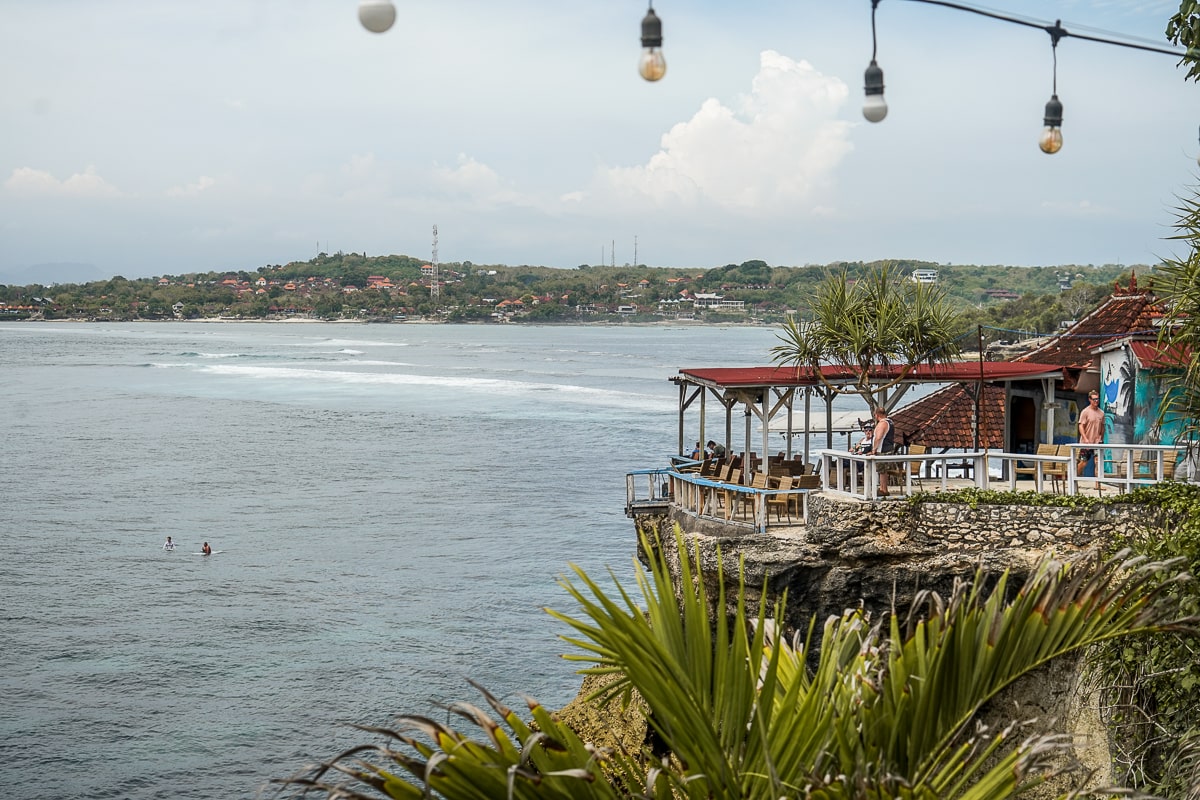
    Located on the rugged western coastline of Nusa Ceningan, Mahana Point has become one of the island’s most photographed landmarks. The venue combines adventure, spectacular scenery, and a laid-back atmosphere, making it a favourite stop for travellers exploring both Nusa Ceningan and nearby Nusa Lembongan.

    What Makes Mahana Point Special?

    Unlike many viewpoints that are simply places to admire the scenery, Mahana Point offers several unique experiences in one location. Visitors can relax at the cliffside bar, watch experienced surfers tackle powerful reef breaks, witness daring cliff jumpers leap into the crystal-clear sea, or simply enjoy one of the most beautiful sunset views in the islands.

    The venue has retained its relaxed island charm for years, attracting backpackers, couples, photographers, surfers, and families alike. Even if you have no intention of jumping from the cliffs, spending an afternoon here is well worth your time.

    The Famous Cliff Jumps

    One of the biggest attractions at Mahana Point Nusa Ceningan is its famous cliff jumping platform.

    Visitors can typically choose between two jumping heights:

    • Approximately 5 metres for beginners
    • Approximately 10 metres for more experienced thrill seekers

    While the jumps appear exciting, they should never be taken lightly. Ocean conditions vary throughout the day depending on tides, swell, and currents. Staff members generally advise visitors when jumping conditions are safe, but every jumper should assess their own confidence and swimming ability before attempting the leap.

    Always remember:

    • Never jump during extremely low tide.
    • Check the water below before jumping.
    • Enter feet first.
    • Avoid alcohol before jumping.
    • Listen carefully to staff recommendations.

    Safety should always come before social media photos.

    Surfing at Mahana Point

    Surfers from around the world visit this coastline for its famous reef break. The wave is fast, powerful, and generally suited to intermediate and advanced surfers rather than complete beginners.

    Watching surfers from the cliffside seating area is almost as entertaining as surfing itself. Throughout the afternoon, you’ll often see experienced riders carving along perfectly formed waves while photographers capture dramatic action shots against the rugged cliffs.

    If you’re new to surfing, there are gentler beaches around Nusa Lembongan where lessons are available before progressing to more advanced breaks.

    Sunset Views Worth Staying For

    Many visitors arrive during the late afternoon specifically to watch the sunset. As daylight begins to fade, the ocean transforms into shades of orange, pink, and gold while boats slowly drift across the horizon.

    The relaxed atmosphere makes this one of the best spots for sunset in Nusa Lembongan, even though the viewpoint itself is located on neighbouring Nusa Ceningan. Ordering a fresh coconut, tropical cocktail, or cold beer while watching the changing sky has become something of an island tradition.

    Photographers should arrive at least one hour before sunset to secure the best viewing position and capture the golden light before crowds increase.

    Food and Drinks

    The cliffside bar serves a selection of:

    • Fresh juices
    • Smoothies
    • Coffee
    • Local beer
    • Cocktails
    • Indonesian dishes
    • Simple Western meals
    • Light snacks

    The casual atmosphere encourages visitors to slow down, enjoy the scenery, and spend several hours soaking in the coastal views.

    Opening Hours

    Opening hours may vary slightly depending on the season, weather, and local events, but Mahana Point generally welcomes visitors:

    • Daily
    • Approximately 8:00 AM to 8:00 PM

    Because operating hours can occasionally change, it’s always worth confirming locally before planning your visit, particularly during the rainy season or on public holidays.

    How to Get There

    Reaching Mahana Point is relatively easy after arriving in Nusa Lembongan.

    Most visitors:

    • Take a fast boat from Bali.
    • Rent a scooter in Nusa Lembongan.
    • Cross the iconic Yellow Bridge into Nusa Ceningan.
    • Continue for around five minutes until reaching the venue.

    Road conditions are generally good, although some sections remain narrow, so careful driving is recommended.

    Nearby Attractions

    Mahana Point fits perfectly into a full-day island itinerary. Nearby attractions include:

    • Blue Lagoon
    • Secret Beach
    • Yellow Bridge
    • Dream Beach
    • Devil’s Tear
    • Mangrove forests
    • Local cafés

    Many travellers combine these stops into one scenic route around both islands.

    Where to Stay Nearby

    To fully enjoy the islands, many visitors choose a villa in Nusa Lembongan, allowing easy access to both Nusa Lembongan and Nusa Ceningan. Whether you’re searching for a luxurious beachfront escape or a peaceful boutique property, you’ll find accommodation to suit every travel style.

    Many travellers consider the islands the best place to stay in Nusa Lembongan thanks to their relaxed atmosphere, beautiful beaches, and convenient access to nearby attractions. Others prefer a comfortable resort in Nusa Lembongan with ocean views and island hospitality, while returning visitors often describe the islands as the best stay in Nusa Lembongan for combining adventure with relaxation.

    Local Tips Before You Visit

    To enjoy your visit:

    • Wear comfortable footwear.
    • Bring sun protection.
    • Carry drinking water.
    • Visit during the late afternoon.
    • Respect local safety advice.
    • Keep valuables secure near the cliff edge.
    • Avoid cliff jumping if sea conditions are rough.

    Planning your visit around sunset provides the most memorable experience while also allowing you to enjoy cooler temperatures.

    Why Mahana Point Should Be on Your Itinerary

    Whether you’re visiting for the adrenaline of cliff jumping, the excitement of watching surfers, or simply relaxing with a drink overlooking the Indian Ocean, Mahana Point Nusa Ceningan captures everything that makes these islands special. The combination of rugged cliffs, vibrant sunsets, welcoming hospitality, and unforgettable coastal scenery creates an experience that appeals to every type of traveler.

    For more expert island guides, local travel tips, and destination recommendations, explore The Lembongan Traveller, your trusted resource for discovering the best of Nusa Lembongan and Nusa Ceningan.

  • Frozen Seafood Products Guide: How International Buyers Choose Reliable Exporters

    Frozen Seafood Products Guide: How International Buyers Choose Reliable Exporters

    Choosing frozen seafood products is no longer only about price. For international buyers, the right exporter must demonstrate quality, consistency, food safety, documentation, freezing capability, and supply reliability before any long-term order can proceed.

    Why Reliable Seafood Exporters Matter in Global Trade

    Seafood is one of the most internationally traded food categories in the world. According to global fisheries data, international trade in aquatic products has reached around USD 195 billion, showing how important the cross-border seafood supply has become for retailers, wholesalers, hotels, restaurants, and food manufacturers.

    This demand creates strong opportunities, but it also increases buyer expectations. Importers do not want uncertainty in shipment quality, product specifications, temperature control, or export documentation. A buyer may accept a trial order once, but long-term cooperation depends on the exporter’s ability to maintain the same quality across multiple shipments.

    That is why international buyers often compare more than one Seafood Exporter before making a decision. They need a partner that understands product handling from catch to freezing, packing, cold storage, container loading, and overseas delivery.

    What Do International Buyers Look for First?

    The first thing buyers usually check is the product’s capabilities. This includes species availability, processing format, freezing method, packaging options, minimum order quantity, and export readiness.

    For example, a buyer sourcing fish fillets, whole round fish, shrimp, squid, tuna, or demersal species may need different specifications depending on the market. A supermarket may prefer retail-ready packs, while a Seafood Supplier for restaurants may need bulk cartons, portion control, or consistent sizing.

    Reliable exporters should make product information clear. Buyers want to know the species name, scientific name, origin, size grade, net weight, glaze percentage, freezing type, shelf life, and storage temperature. These details help them compare offers properly and avoid mistakes during import clearance or resale.

    For exporters, a clear catalogue of frozen seafood products helps buyers understand the available range before requesting samples or quotations.

    Freezing Capability and Cold Chain Control

    The cold chain is one of the most important factors in seafood export. Once quality is lost, it cannot be repaired later. This is why buyers pay close attention to freezing speed, storage temperature, loading process, and container condition.

    Fast freezing helps preserve texture, colour, and freshness. Products frozen at very low temperatures and properly stored are generally more attractive to international buyers because they reduce the risk of drip loss, quality decline, and customer complaints.

    A reliable exporter should be able to explain whether products are IQF, semi-IQF, block-frozen, sea-frozen, or land-frozen. Each method has a different use. IQF is often preferred when buyers need easier handling and portion separation. Block frozen is useful for bulk supply and processing. Semi-IQF may suit buyers who need a balance between practicality and cost.

    International buyers evaluating frozen seafood products also want confidence that the product remains stable from the processing facility to the destination port. This includes pre-cooled containers, proper loading, temperature records, and clear handling instructions.

    How Can Exporters Prove Product Consistency?

    Consistency is one of the strongest signs of a professional exporter. A buyer may receive a good first shipment, but the real test is whether the second, third, and fourth shipments match the agreed standard.

    A seafood export company should carefully maintain product specifications. This includes size grading, trimming, freezing conditions, packaging material, carton weight, labelling, and product appearance. Even small differences can create problems for importers who sell to strict retail or foodservice channels.

    Samples are useful, but buyers should also ask for production photos, packing details, and pre-shipment inspection reports when needed. For larger contracts, they may request regular quality checks or third-party inspection before loading.

    A dependable frozen seafood exporter understands that consistency protects both sides. It reduces disputes, builds buyer confidence, and makes repeat orders easier.

    Documentation, Compliance, and Market Entry

    Seafood import is heavily regulated. Each destination market may have different documentation requirements, especially regarding food safety, origin, health certificates, and customs clearance. A professional Seafood Distributor or importer will usually ask exporters to prepare complete documents before shipment.

    Important documents may include a commercial invoice, a packing list, a bill of lading, a health certificate, a certificate of origin, a catch certificate if required, and a product specification sheet. Some buyers may also request HACCP-related documents, factory registration, laboratory tests, or traceability records.

    This is where experience matters. A Seafood Trader may find buyers, but long-term value comes from exporters that can manage the operational details behind the shipment. International buyers want a supplier that understands compliance, not only product sales.

    Product Range and Market Flexibility

    A strong exporter should offer enough variety to support different buyer needs. Some markets prefer tuna, skipjack, mackerel, snapper, grouper, squid, cuttlefish, octopus, shrimp, or milkfish. Others focus on value-added formats such as frozen fillets, steaks, loins, cleaned cephalopods, or whole gutted fish.

    Global aquatic food production exceeded 223 million tonnes in 2022, with aquaculture output at 130.9 million tonnes. This shows how large and diverse the seafood supply landscape has become. For buyers, the challenge is not simply finding a product. The challenge is finding a supplier that can match species, format, volume, price, and quality expectations.

    Reliable seafood export products should be presented in a way that supports commercial decisions. Buyers need product lists, photos, available formats, and clear communication on seasonal availability.

    Why Indonesia Is Relevant for International Buyers

    Indonesia plays an important role in the global seafood supply because of its marine resources, fishing communities, and export experience. Buyers searching for a seafood supplier in Indonesia often look for a wide variety of species, competitive sourcing, and access to both pelagic and demersal products.

    A good seafood supplier in Indonesia can support importers by offering wild-caught and processed fishery products that suit different markets. This is especially important for buyers who need flexible supply for wholesale, retail, or foodservice distribution.

    However, buyers should not choose based on country alone. They should assess the exporter’s freezing capability, documentation readiness, communication quality, product consistency, and ability to handle repeat orders.

    Building Long-Term Export Partnerships

    The best seafood trade relationships are built on trust, not one-time transactions. International buyers prefer exporters who respond quickly, provide accurate details, and communicate clearly when there are changes in availability, pricing, production schedule, or shipment timing.

    A reliable exporter should be transparent about what can and cannot be supplied. Overpromising may win a first inquiry, but it can damage trust later. Long-term buyers value honesty, especially when dealing with seasonal seafood supply.

    When frozen seafood products arrive in good condition, with correct documents and consistent specifications, buyers gain confidence to reorder. Over time, this can turn a simple inquiry into a stable export partnership.

    Final Thoughts

    International buyers choose seafood exporters carefully because the risks are high. Product quality, cold chain control, documentation, consistency, and communication all affect whether a shipment succeeds.

    For importers, the best approach is to evaluate suppliers beyond price. Check freezing methods, product range, storage conditions, export experience, and the ability to meet market requirements. For exporters, the key is to make the buying process easier, clearer, and more reliable from the first conversation.

    In a competitive global seafood market, reliability is the real advantage. Exporters who can demonstrate quality and consistency are the most likely to earn long-term trust from international buyers.

  • Triton Bay Liveaboard Diving for Whale Sharks, Soft Corals, and Rare Marine Life

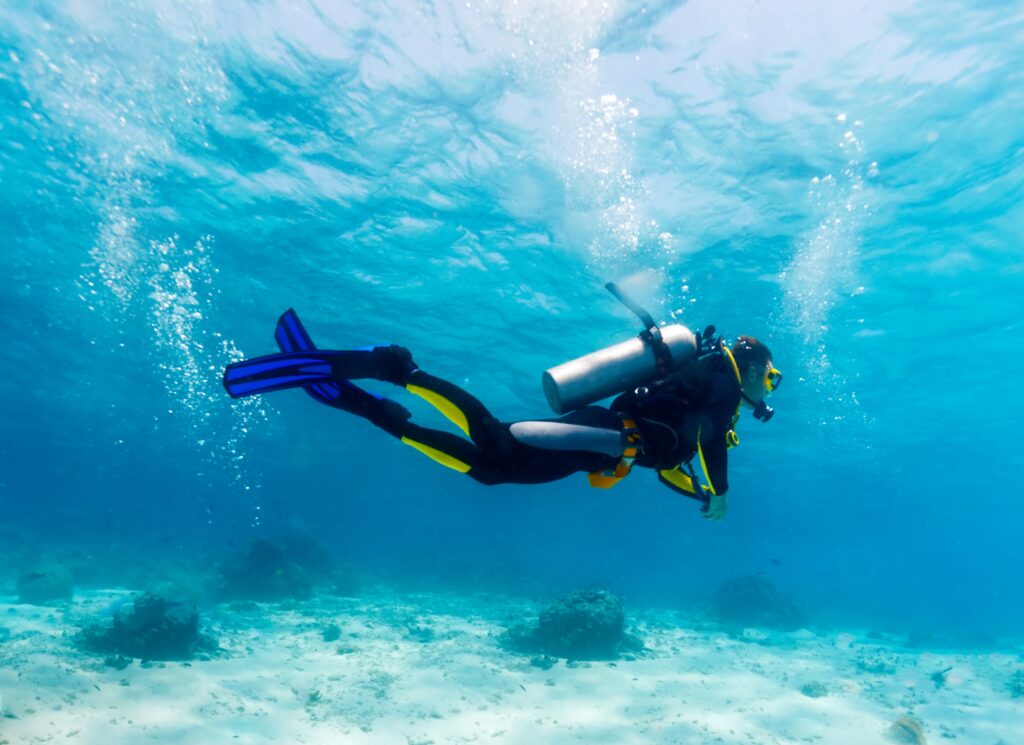
    A Triton Bay liveaboard is ideal for divers seeking a more secluded Indonesian diving experience, away from the better-known routes. Located in the Kaimana region of West Papua, Triton Bay is known for whale sharks, wobbegong sharks, soft coral gardens, macro subjects, and nutrient-rich waters that support intense marine life.

    Why Triton Bay Feels Different

    Triton Bay does not always offer the crystal-clear visibility associated with postcard diving. Instead, its magic often comes from plankton-rich waters, dense fish activity, soft coral colours, and encounters with rare species. Wallacea Dive Cruise notes that visibility in Triton Bay commonly ranges from 10 to 15 metres, with lower visibility possible because of plankton levels. That same nutrient richness helps attract diverse marine life, including whale sharks.

    This makes the destination especially interesting for experienced divers and photographers. The Triton Bay liveaboard experience is less about predictable tropical perfection and more about rare, immersive, wildlife-rich diving.

    The Appeal of Whale Shark Encounters

    One of Triton Bay’s strongest attractions is the chance to encounter whale sharks around traditional fishing platforms known as bagans. Wallacea describes Namatote as a site where whale sharks are often found beneath these platforms in search of baitfish.

    This creates a very specific type of marine encounter. Rather than searching open blue water, divers and snorkellers may experience whale sharks near local fishing structures, where the relationship between human activity and marine life becomes part of the story. It is one reason Triton Bay stands apart from other Indonesian diving areas.

    Data Points Divers Should Know

    Wallacea lists Triton Bay water temperature between 27 and 31°C. Visibility is usually 10 to 15 metres, although it can be lower due to plankton. Some sites may have strong currents, while moderate currents are sometimes necessary to stimulate marine activity and fish movement. Wallacea also notes that guides assess currents before dive briefings.

    Key Dive Areas in Triton Bay

    Triton Bay itself is described by Wallacea as a secluded underwater sanctuary with rare wobbegong sharks and vibrant soft coral gardens. Namatote combines cultural heritage, limestone walls, ancient rock art, and whale shark encounters near bagans. Aiduma is rich in macro life, including pygmy seahorses, ghost pipefish, nudibranchs, and wobbegong sharks. Dramai offers schooling fish, colourful coral formations, anthias, fusiliers, groupers, and wide-angle photography opportunities.

    This mix makes the Triton Bay liveaboard experience highly varied. A single itinerary may include whale shark encounters, macro searches, cultural coastal scenery, and vibrant, fish-filled reefs.

    Why Liveaboard Travel Works Best Here

    Triton Bay is remote. Reaching the best sites requires planning, timing, and local understanding. A liveaboard allows divers to move between Namatote, Aiduma, Dramai, and other areas while staying close to the action. It also creates flexibility when visibility, currents, or wildlife behaviour change.

    This matters because Triton Bay is not a destination that should be approached with a fixed checklist. Conditions can shift, and wildlife encounters are always natural. A liveaboard allows the crew to adapt the route and increase the chances of meaningful dives.

    Who Should Choose Triton Bay?

    Triton Bay is best suited to divers who enjoy rare species, photography, and less crowded destinations. It is excellent for those who have already visited Raja Ampat or Komodo and want a different kind of Indonesian diving experience. It also suits travellers who are comfortable with variable visibility and understand that nutrient-rich waters often support larger marine encounters.

    Underwater photographers may especially appreciate the variety. Wide-angle shooters can focus on whale sharks, soft corals, black coral, and schooling fish. Macro photographers can search for frogfish, ghost pipefish, nudibranchs, and pygmy seahorses.

    Final Thoughts

    A Triton Bay liveaboard is not for travellers seeking the easiest or most mainstream dive trip. It is for divers who want something more unusual: whale sharks near Bagans, wobbegong sharks, soft coral gardens, macro life, cultural coastline scenery, and remote West Papua atmosphere. For those who value rare encounters over predictable visibility, Triton Bay is one of Indonesia’s most rewarding liveaboard frontiers.

  • How Architecture Shapes the Value of Luxury Bali Villas for Sale

    How Architecture Shapes the Value of Luxury Bali Villas for Sale

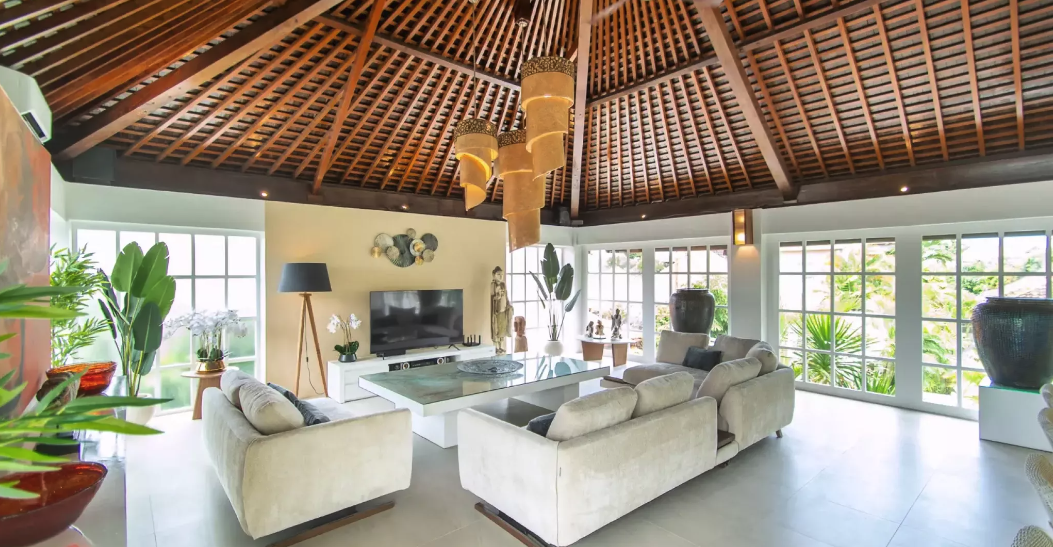
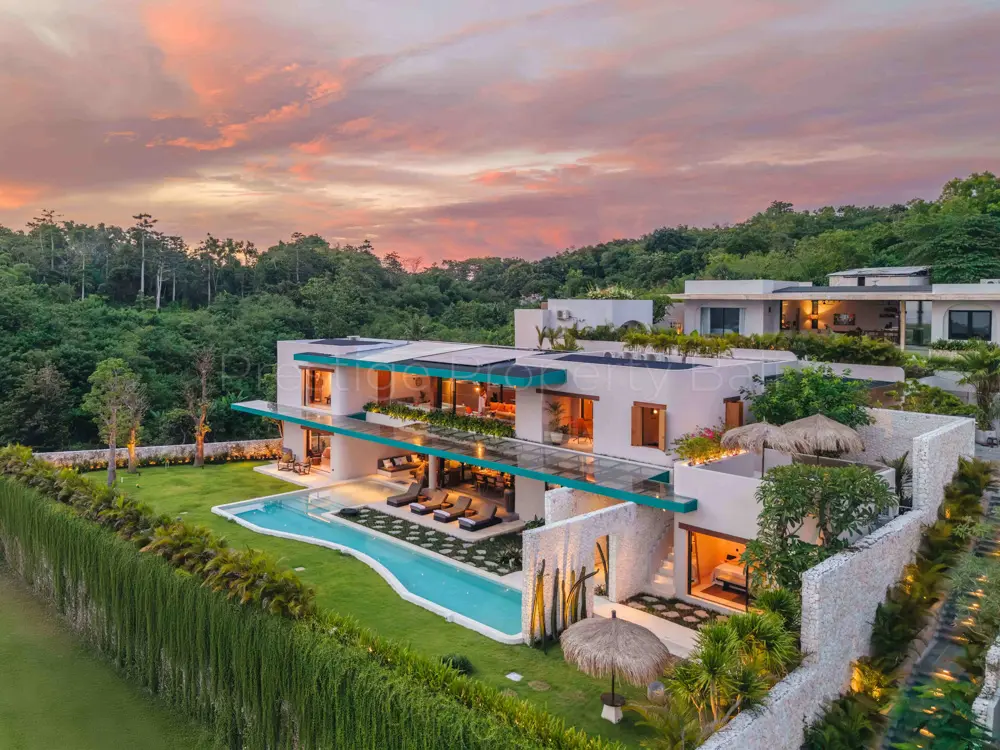
    When I review a villa listing in Bali, I rarely start with the swimming pool or the sunset photo. I start with the architecture, because design often reveals how well it will live, rent, age, and hold value. For readers comparing Luxury Bali villas for sale, architecture is one of the clearest signals that a property is more than a beautiful holiday home. It can show whether the villa has been created for real tropical living, long-term comfort, and lasting appeal. This is also why I often look at curated listings from Prestige Property Bali, a villa and property agent in Bali, when I want to understand how design, location, and market positioning come together in a serious luxury property.

    Why Architecture Matters in Bali’s Luxury Market

    In Bali, luxury is not only about size. A villa can have five bedrooms, a large pool, and expensive furniture, yet still feel poorly planned if the layout does not suit the climate or lifestyle. Architecture shapes the first emotional impression, but it also shapes practical value. A well-designed villa feels effortless. Guests can move naturally from the bedroom to the pool, from the kitchen to the dining space, and from indoor comfort to open-air relaxation.

    This matters because Bali buyers usually want more than a property. Some are searching for a second home, some want rental income, and others are planning a long-term tropical base. In each case, architecture decides how easily the villa supports that vision. Prestige Property Bali often shows this through premium listings where layout, views, materials, and atmosphere all become part of the value story.

    Read also: The Psychology Behind Buying a Luxury Villa in Bali

    Tropical Design and Climate Response

    One of the strongest signs of a valuable Bali villa is how intelligently it responds to the tropical climate. Bali is hot, humid, and beautifully open to nature, but poor architecture can quickly turn that beauty into a maintenance issue. Villas designed with cross-ventilation, shaded terraces, deep roof overhangs, and protected outdoor spaces usually feel more comfortable and age better.

    A villa that depends too heavily on air conditioning may still look impressive online, but it can feel less connected to Bali once visited in person. Good tropical architecture allows the breeze to move through the home, reduces heat build-up, and protects furniture and finishes from harsh sun or rain. When I look at villas with Prestige Property Bali, these details often reveal whether the home was designed for Bali, not simply copied from another market.

    Layout, Flow, and Everyday Comfort

    The layout of a luxury villa can either increase or reduce its perceived value. A beautiful property can feel confusing if bedrooms are disconnected, communal areas feel too small, or the pool is hidden from the main living space. On the other hand, a villa with a clear and generous flow immediately feels more premium.

    For rental buyers, this is especially important. Guests want privacy, but they also want shared spaces where they can gather comfortably. Families want easy access between bedrooms and living areas. Prestige Property Bali, as a villa and property agent in Bali, understands that the best villas are not only photogenic. They are easy to live in.

    Material Choices and Long-Term Value

    Materials are another architectural detail that quietly influences value. In Bali, luxury materials need to be beautiful, but they also need to perform well in a tropical setting. Natural stone, quality timber, durable roofing, well-finished concrete, and weather-resistant outdoor surfaces can all contribute to a villa that feels refined and remains easier to maintain.

    Poor material choices may not be obvious in the first listing photos. However, they often reveal themselves through humidity damage, fading finishes, slippery outdoor flooring, or constant repair needs. This is one reason buyers benefit from working with an experienced property agent. Prestige Property Bali can help buyers look beyond the visual mood of a villa and consider how the property may perform after rainy seasons and long-term ownership.

    Architecture That Creates a Sense of Place

    The most memorable Bali villas do not feel generic. They respond to their surroundings, whether they sit near the beach, in the hills, beside rice fields, or within a developed lifestyle area. A villa in Uluwatu may use dramatic lines, ocean-facing terraces, and natural stone to echo the cliffs. A villa in Canggu may focus on indoor-outdoor social spaces, clean contemporary lines, and easy access to dining and wellness venues.

    This sense of place is valuable because it makes the property feel authentic. Buyers and guests are increasingly sensitive to villas that look impressive but feel disconnected from Bali. Prestige Property Bali often works with properties where architecture supports the identity of the area, which helps the villa stand out in a crowded market.

    Views, Orientation, and Natural Light

    Architecture also shapes how a villa captures light and views. Two villas in the same area can have very different values if one has been carefully oriented and the other has not. A well-positioned villa may frame a rice field view from the living room, catch soft morning light in the bedrooms, or protect the pool area from harsh afternoon glare. These decisions affect comfort every day, but they also affect the emotional impact of the property.

    In luxury real estate, emotion matters. Buyers often remember the feeling of walking into a bright living space, seeing the pool aligned with the view, or watching the light move across textured walls. This is where architecture becomes part of the selling power. Prestige Property Bali understands that a villa’s value is often found in these moments, not only in the technical specifications.

    Privacy and Rental Appeal

    Privacy is one of the most important elements of luxury living in Bali. A villa may be beautifully designed, but if neighbouring buildings overlook the pool or bedrooms feel too exposed, its value can be affected. Strong architecture creates privacy through smart orientation, landscaping, wall placement, level changes, and careful window positioning.

    For buyers considering rental income, architecture also influences the guest experience. A villa with strong design photographs better, feels better on arrival, and often receives stronger reviews. Guests remember shaded pool decks, comfortable bathrooms, beautiful dining spaces, and restful bedrooms. Prestige Property Bali often views villas through this wider investment lens, considering not only what buyers see, but also what future guests will experience.

    Conclusion

    Architecture is one of the most powerful value drivers in Bali’s luxury villa market. It affects comfort, maintenance, rental appeal, privacy, resale potential, and the emotional connection buyers feel when they enter a property. A villa may look beautiful in photos, but its true value is often found in the way it handles light, air, space, materials, and place.

    For anyone considering a serious purchase in Bali, architecture should never be treated as decoration. It is part of the investment logic. Working with Prestige Property Bali gives buyers access to a villa and property agent in Bali that understands how design choices influence both lifestyle and long-term value. In a market filled with beautiful images, that kind of guidance can make the difference between buying a villa that simply looks luxurious and buying one that truly holds its value.

  • Flexible Workspaces and Office Fitout Ideas for Hybrid Teams in Sydney

    Flexible Workspaces and Office Fitout Ideas for Hybrid Teams in Sydney

    The way we work has fundamentally changed, and Sydney businesses are feeling it firsthand. Hybrid work is no longer a temporary fix; it has become the standard operating model for companies of all sizes, from CBD law firms to creative agencies in Surry Hills. If your office still looks the way it did in 2019, it is time for a rethink. As someone who has written extensively about workplace design and spoken with fitout specialists across the country, I can tell you that the offices thriving today are the ones built with flexibility at their core. A well-planned commercial fit out in Sydney is no longer a luxury, it is a strategic investment that directly affects how your team collaborates, focuses, and feels about coming into the office. This piece walks through the most effective workspace ideas and fitout strategies for hybrid teams in Sydney, with practical insights you can actually use.

    Understanding What Hybrid Teams Actually Need

    Before you start moving walls or ordering furniture, it pays to understand what your team actually needs from the office. Hybrid employees do not come in every day, which means the office has to earn its place. When people choose to make the commute, they are looking for something they cannot get at home: face-to-face collaboration, high-quality meeting facilities, and a sense of belonging to something bigger than their spare bedroom desk setup.

    The mistake many Sydney businesses make is designing an office for full-time occupancy and then wondering why hybrid staff do not bother showing up. The smarter approach, and one that fitout specialists like Stemar Group consistently recommend, is to design for activity-based working. Instead of assigning every person a fixed desk, you create a variety of zones that serve different tasks throughout the day. This reduces wasted space, lowers real estate costs, and, most importantly, gives your team a reason to come in.

    Open Collaboration Zones That Actually Work

    Open plan offices became the norm over the past decade, but the backlash has been swift and justified. When everything is open, nothing is conducive to deep work. The answer is not to abandon open layouts altogether but to be intentional about how and where they are used. Dedicated collaboration zones, set apart from quiet work areas, give teams a place to workshop ideas, run stand-ups, and have the kind of spontaneous conversations that drive innovation.

    In practice, this might look like a central hub with movable furniture, writable walls, and good natural light, surrounded by quieter zones on the perimeter. Stemar Group has delivered exactly this kind of layout for a number of Sydney clients, helping them strike the right balance between openness and focus. The key is to make these spaces genuinely inviting: comfortable seating, good acoustics, and easy access to whiteboards or screens. A collaboration zone that people actually use is worth ten that look great in a render but feel awkward in real life.

    Quiet Focus Areas and Acoustic Solutions

    One of the most common complaints I hear from hybrid workers is that the office is too noisy for focused work. They come in, sit in an open area, and spend half the day wearing headphones just to concentrate. If that sounds familiar, your fitout needs acoustic work. Quiet focus areas, whether they are dedicated rooms, pods, or screened-off sections of the floor, are not a nice-to-have for hybrid teams. They are essential.

    Acoustic phone booths have become one of the most popular additions to hybrid workplaces in Sydney. These compact, soundproofed units give individuals a private space for calls, video meetings, or deep work without booking a full meeting room. When Stemar Group advises clients on office refurbishment, acoustic design is almost always at the top of the list. The investment in quality acoustic panels, soft furnishings, and thoughtful spatial planning pays off quickly in employee satisfaction and productivity.

    Hot-Desking and Smart Desk Booking Systems

    Hot-desking gets a bad reputation, often because it is implemented poorly. When it works well, though, it is one of the most effective ways to make a hybrid office function efficiently. The trick is combining flexible desk arrangements with a reliable booking system so people are not wandering around looking for somewhere to sit when they arrive. No one wants to feel like they are back at a university library during exam week.

    Physically, hot-desking setups work best when workstations are clean, well-equipped, and consistent. Every desk should have access to the same monitors, charging points, and ergonomic adjustments. Lockers or personal storage nearby give people a place to keep their belongings. When Stemar Group designs hot-desking environments for Sydney offices, the focus is always on making each workstation feel just as good as a personal desk would, because the moment quality drops, resentment builds.

    Technology-Enabled Meeting Rooms for Hybrid Collaboration

    If you have ever been the person dialling in to a meeting while everyone else is in the room together, you will know how isolating that experience can be. The camera is pointed at a whiteboard, the audio cuts in and out, and you spend half the meeting asking people to repeat themselves. Hybrid meetings only work when the technology supports equal participation for both in-room and remote attendees.

    Investing in purpose-built hybrid meeting rooms is one of the most impactful fitout decisions a Sydney business can make right now. This means wide-angle cameras that capture the whole room, ceiling microphone arrays that pick up every voice clearly, and large displays that make remote participants feel present. Stemar Group integrates AV technology into meeting room designs from the ground up, rather than bolting equipment onto rooms that were not designed to support it. The result is a meeting experience that is genuinely equitable, regardless of where your team members are sitting.

    Breakout Spaces and Employee Wellbeing Areas

    Wellbeing has moved from a corporate buzzword to a genuine fitout priority. When people come into the office, they need spaces to decompress, recharge, and connect informally with colleagues. Breakout areas, comfortable lounges, and kitchen spaces that invite people to linger are the social glue of a hybrid workplace. They are also where some of the best ideas happen, as anyone who has had a breakthrough conversation over a coffee at work will attest.

    Sydney offices are increasingly incorporating wellness rooms, mothers’ rooms, and quiet reflection spaces into their fitouts. These are not fringe requests; they are becoming standard practice for businesses that want to attract and retain good people. Stemar Group approaches wellness spaces as an integral part of the overall fitout, not an afterthought tucked into a leftover corner of the floor plan. Done well, these spaces send a clear message to your team: we have thought about your whole experience here, not just where you sit.

    Biophilic Design and Bringing Nature Indoors

    There is a growing body of research showing that access to natural light, greenery, and natural materials in the workplace reduces stress, improves mood, and increases cognitive performance. For Sydney offices, which often have great access to outdoor views and natural light, biophilic design is a natural fit. Living walls, indoor plants, timber finishes, and maximising window light are all relatively straightforward elements that can transform how a space feels.

    I have visited offices that have spent enormous amounts on fitouts and still feel sterile and uninviting, and I have visited others that used modest budgets but brought in plants, natural textures, and warm lighting to create genuinely energising workplaces. Stemar Group consistently incorporates biophilic principles into their Sydney office fitout projects, understanding that the sensory environment is just as important as the functional layout. If your hybrid team is going to choose the office over their homes, the office needs to feel worth choosing.

    Why Stemar Group Is the Right Partner for Your Sydney Office Fitout

    Redesigning an office for hybrid work is not a simple furniture shuffle. It requires a deep understanding of how people work, how teams interact, and how a physical space can support both. That is why partnering with an experienced fitout specialist matters so much. Stemar Group has built a strong reputation in Sydney for delivering commercial office fitouts that are thoughtful, functional, and built to last.

    What sets Stemar Group apart is their consultative approach. They do not arrive with a templated solution and apply it to every client. Instead, they take the time to understand your business, your team dynamics, and your growth plans before a single design decision is made. Whether you are fitting out a new tenancy, refreshing an existing space, or undertaking a full office refurbishment, Stemar Group brings the expertise and project management capability to deliver on time and within budget. For Sydney businesses navigating the shift to hybrid work, that kind of end-to-end support is genuinely valuable.

    From acoustic design and AV integration to joinery, flooring, and space planning, Stemar Group covers every aspect of the fitout process. Their portfolio of completed projects across Sydney demonstrates a consistent ability to translate complex briefs into workspaces that people genuinely enjoy. If you are starting to think seriously about your next office fitout, Stemar Group is a team worth talking to early in the process.

    Getting Started with Your Hybrid Office Transformation

    The hybrid workplace is not going away. If anything, employee expectations around flexibility are only going to increase, and the businesses that adapt their physical offices to meet those expectations will have a real advantage when it comes to attracting talent and keeping people engaged. The good news is that Sydney has no shortage of excellent fitout expertise to draw on.

    Whether you are planning a minor refresh or a complete fitout from scratch, the principles remain the same: design for different activities, prioritise acoustics and technology, build in flexibility, and make the space genuinely welcoming. With the right partner, such as Stemar Group, the process is far less daunting than it might seem. The result is an office your hybrid team will actually want to come to, and that is the whole point.

  • Seminyak vs Canggu: Where Should You Buy a Villa?

    Seminyak vs Canggu: Where Should You Buy a Villa?

    Bali remains one of Southeast Asia’s most attractive real estate markets, particularly for villa investments. Two locations consistently dominate buyer interest: Seminyak and Canggu. While both areas offer strong rental demand and lifestyle appeal, they cater to different investment strategies and buyer profiles.

    If you’re deciding where to buy a villa, this comprehensive comparison will help you evaluate pricing, rental yields, growth potential, risks, and lifestyle factors so you can align your purchase with your long-term objectives.

    Overview of Seminyak

    Location & Accessibility

    Seminyak is one of Bali’s most established and prestigious neighborhoods. Located approximately 30-40 minutes from Ngurah Rai International Airport, it benefits from central positioning along Bali’s southwest coast. This accessibility makes it highly attractive to short-term tourists who prioritize convenience and proximity to restaurants, shopping, and the beach.

    Because Seminyak is fully developed, infrastructure such as roads, drainage, electricity, and hospitality services is mature and reliable. For investors, this reduces development risk and ensures predictable operational conditions for rental properties.

    Lifestyle & Atmosphere

    Seminyak is widely regarded as Bali’s upscale lifestyle hub. The area blends beach culture with fine dining, designer boutiques, and luxury wellness experiences. Visitors can enjoy sunset cocktails at iconic venues like Ku De Ta or Potato Head Beach Club, both of which attract high-spending international travelers.

    The overall atmosphere is sophisticated and cosmopolitan. Streets are lined with stylish cafés, international restaurants, and boutique resorts. Compared to Canggu, Seminyak feels more polished and less experimental, appealing strongly to families, honeymooners, and luxury holidaymakers.

    Who Typically Buys in Seminyak?

    Seminyak tends to attract:

    • High-end investors
    • Buyers targeting luxury short-term rentals
    • Lifestyle purchasers seeking prestige location
    • Long-term investors prioritizing stability over speculation

    These buyers often prioritize brand positioning and consistent occupancy over aggressive capital growth. The location itself acts as a strong value anchor, helping properties maintain demand even during slower tourism cycles.

    Property Prices in Seminyak

    Seminyak sits at the premium end of Bali’s property spectrum. Limited land availability and strong global recognition keep prices elevated compared to emerging areas.

    Approximate price ranges:

    • 2-bedroom villa: USD $350,000 – $600,000
    • 3-bedroom villa: USD $500,000 – $900,000
    • Luxury 4+ bedroom villa: $1M+

    While entry costs are higher, villas in Seminyak can command premium nightly rates due to walkability and central positioning. For buyers seeking a lower-risk environment with consistent rental performance, the higher capital outlay is often justified.

    Read also: Top Areas in Seminyak to Buy a Luxury Villa

    Overview of Canggu

    Location & Growth

    Located just north of Seminyak, Canggu has experienced rapid transformation over the past decade. Once a quiet surf village, it has evolved into Bali’s trendiest and fastest-growing residential and tourism zone.

    Expansion has pushed development inland toward areas such as Pererenan and Babakan, creating new opportunities for investors willing to enter emerging neighborhoods. However, growth has also brought increased traffic and infrastructure strain in certain sections.

    Lifestyle & Culture

    Canggu is energetic, creative, and community-driven. The area is known for its surf beaches, modern cafés, coworking spaces, and wellness studios. It has become the heart of Bali’s digital nomad movement, attracting remote workers and entrepreneurs who stay for months at a time.

    The atmosphere feels youthful and dynamic. Unlike Seminyak’s refined elegance, Canggu offers a more relaxed, experimental vibe. This appeals strongly to younger travelers and long-stay guests who prioritize lifestyle flexibility.

    Who Buys in Canggu?

    Canggu attracts:

    • Growth-focused investors
    • Mid-range rental investors
    • Digital nomads
    • Younger buyers
    • Buyers with moderate budgets seeking upside potential

    Because land is still available in developing zones, entry prices can be lower than in Seminyak, particularly outside of premium areas like Berawa. However, buyers must carefully assess zoning and long-term supply trends.

    Property Prices in Canggu

    Canggu offers a wider pricing range than Seminyak, depending heavily on proximity to the beach and popularity of the sub-area.

    Approximate ranges:

    • 2-bedroom villa: $250,000 – $500,000
    • 3-bedroom villa: $400,000 – $750,000
    • Luxury villas: $800,000+

    Prime zones like Berawa are approaching Seminyak-level pricing, while emerging inland areas still offer growth opportunities. Investors who enter early in developing corridors may benefit from stronger appreciation.

    Property Price Comparison: Seminyak vs Canggu

    Property TypeSeminyakCanggu
    Entry PriceHigherModerate
    Land CostPremiumVaries by zone
    Luxury SegmentVery strongGrowing rapidly
    Appreciation PotentialModerateHigh (area dependent)

    Seminyak represents maturity and scarcity, while Canggu represents expansion and growth potential. The choice often comes down to whether you prefer security or upside.

    Rental Income & ROI Comparison

    Occupancy Rates

    Seminyak benefits from stable, year-round tourism. Its established reputation ensures a steady flow of international guests. Canggu, meanwhile, experiences strong seasonal peaks and benefits from the growing digital nomad segment, which supports longer stays.

    Nightly Rental Rates

    Seminyak villas generally achieve higher nightly rates, especially those within walking distance to the beach or popular venues. Canggu villas perform strongly in the mid-range segment and may experience strong monthly occupancy from long-term renters.

    Estimated ROI

    • Seminyak: 7-10% annual returns (stable, predictable)
    • Canggu: 8-12% potential returns (higher risk, higher reward)

    Returns in Canggu can exceed Seminyak in certain projects, but they are more sensitive to market fluctuations and supply growth.

    Lifestyle Comparison

    FactorSeminyakCanggu
    Luxury FeelHighMedium-High
    Surf CultureModerateStrong
    Digital Nomad SceneGrowingVery Strong
    Family AppealEstablishedEmerging
    WalkabilityExcellentVaries

    Buyers choosing for lifestyle rather than pure investment should consider where they personally feel more aligned. Seminyak feels refined and convenient, while Canggu feels innovative and social.

    Infrastructure & Long-Term Growth

    Seminyak

    Seminyak’s infrastructure is complete and well-established. Because most land is already developed, appreciation potential is steady but limited. However, this maturity reduces volatility and risk.

    Canggu

    Canggu continues to expand outward. Road upgrades and commercial growth are ongoing, but development sometimes outpaces infrastructure. For investors comfortable with growth-phase markets, this represents opportunity, but also requires careful due diligence.

    Legal & Zoning Considerations

    Both areas operate under Indonesia’s property ownership framework. Foreign buyers typically purchase villas under leasehold agreements or via a PMA company structure. Zoning classifications, especially tourism vs residential zoning, must be carefully reviewed before purchase.

    Professional guidance is strongly recommended. Agencies such as Prestige Property Bali can assist with due diligence, zoning checks, and legal structuring to ensure compliance and protect investment value.

    Risk Analysis

    Risks in Seminyak

    • High entry price
    • Lower appreciation ceiling
    • Competitive luxury market

    Seminyak’s main risk is capital intensity. Because prices are already high, future appreciation may be moderate rather than dramatic.

    Risks in Canggu

    • Oversupply in some areas
    • Infrastructure strain
    • Traffic congestion
    • Zoning risks in emerging zones

    Canggu’s rapid growth can lead to short-term imbalances. Selecting the right micro-location is critical to avoid oversaturated segments.

    Who Should Buy in Seminyak?

    Choose Seminyak if you:

    • Want stable, consistent rental returns
    • Prefer a prestigious address
    • Target luxury vacation renters
    • Have a higher investment budget
    • Value walkability and central convenience

    Seminyak is ideal for conservative investors who prioritise reliability, established tourism demand, and long-term brand positioning.

    Who Should Buy in Canggu?

    Choose Canggu if you:

    • Want higher growth potential
    • Have a mid-range investment budget
    • Target digital nomads or long-term renters
    • Are comfortable with moderate risk
    • Seek capital appreciation opportunities

    Canggu is suited for forward-looking investors who understand emerging market cycles and are willing to balance risk for potential reward.

    Final Verdict: Seminyak or Canggu?

    Both Seminyak and Canggu remain strong pillars of Bali’s villa investment market. The decision ultimately depends on your financial goals, risk tolerance, and lifestyle preferences.

    If your priority is stability, prestige, and consistent short-term rental income, Seminyak offers a mature and reliable market. If you seek higher growth potential, broader pricing options, and exposure to Bali’s evolving digital economy, Canggu may be the better fit.

    Working with experienced professionals such as Prestige Property Bali can help you refine your strategy, analyze ROI projections, and identify villas that align with your investment objectives.

    Choosing the right area is not just about location, it is about aligning your villa purchase with your long-term vision.

  • Fermentation for Foodies: Why Kimchi, Kombucha & Miso Are Booming

    Fermentation for Foodies: Why Kimchi, Kombucha & Miso Are Booming

    In recent years, bold flavours and gut-friendly ingredients have taken centre stage in modern cuisine, and nothing captures this shift better than the rise of fermentation for foodies. What used to be a traditional method for preserving food has now become a global culinary obsession. From spicy kimchi to fizzy kombucha and savoury miso, fermented foods are trending not only for their taste but also for their health benefits and rich cultural stories.

    The Ancient Art of Fermentation Meets Modern Food Culture

    Fermentation is one of the oldest culinary techniques in the world, used by countless civilisations long before refrigeration existed. The process relies on beneficial bacteria and yeasts to break down sugars and starches, transforming simple ingredients into complex, flavour-rich foods.

    Today, fermentation for foodies represents a merging of the old and the new—honouring heritage while satisfying the modern craving for bold, handcrafted, natural products. Whether it’s homemade kombucha bubbling on a kitchen counter or small-batch miso made by artisan producers, fermentation taps into a foodie’s desire for authenticity and craft.

    Kimchi: A Bold, Spicy Icon of Korean Tradition

    Kimchi has become a globally beloved food, appearing in everything from rice bowls to burgers and tacos. The magic of kimchi lies in the lactic acid bacteria that develop as napa cabbage, radish, garlic, and chilli slowly ferment.

    Why Foodies Love It:

    • Explosive flavour: Sour, spicy, salty, and umami all at once
    • Rich traditions: Each Korean region—and household—has its own recipe
    • Health benefits: Packed with probiotics, vitamins, and antioxidants

    Kimchi is versatile, too. Food lovers use it in fried rice, soups, grilled cheese sandwiches, or simply as a crunchy side dish. Its flexibility adds to its popularity, making it an essential part of the fermentation wave.

    Kombucha: The Trendy, Fizzy Tea with a Cult Following

    Kombucha has evolved from a niche health drink to a mainstream favourite, now found in cafés, restaurants, and supermarkets worldwide. Made by fermenting sweetened tea with a SCOBY (symbiotic culture of bacteria and yeast), kombucha delivers a lightly sour, refreshing flavour.

    Kombucha

    Why Kombucha Is Booming:

    • Digestive support: Probiotics help balance the gut
    • Customisable flavours: From ginger-lime to berry hibiscus
    • Low-altitude craft culture: Many brands embrace small-batch, artisanal brewing

    For foodies, kombucha offers a healthier alternative to sugary sodas while still delivering complexity and satisfaction. Some even brew their own at home—a trend perfectly aligned with the rise of DIY food culture.

    Miso: The Umami Powerhouse Behind Japanese Cooking

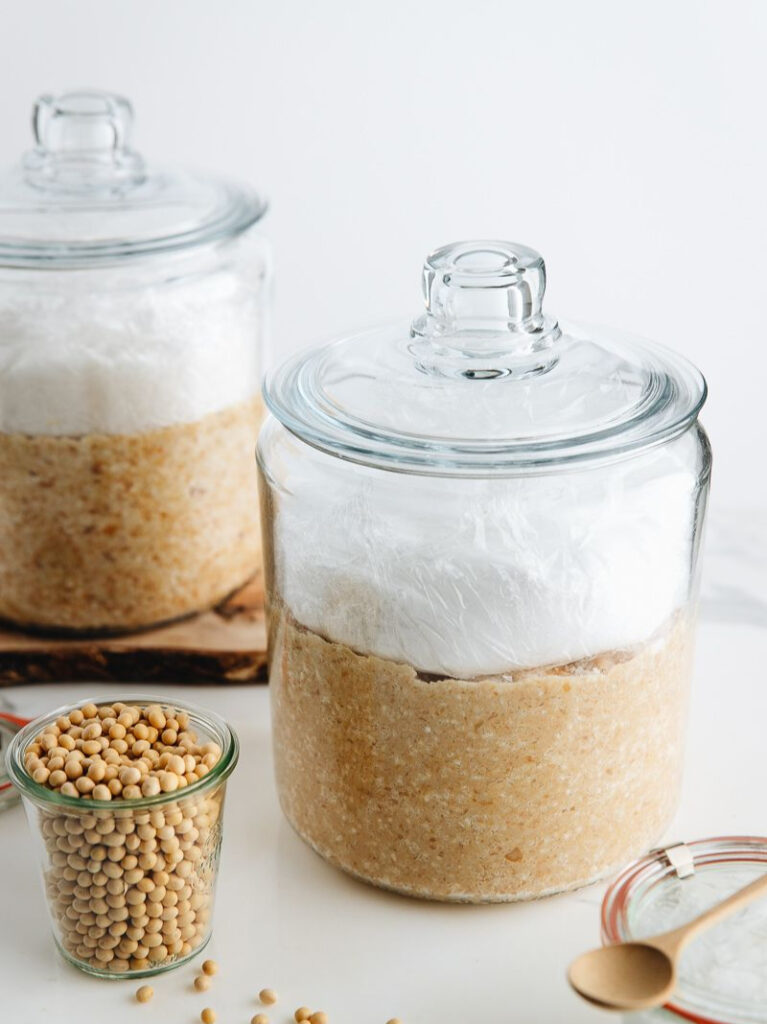
    Miso, a fermented paste made from soybeans, salt, and koji, has been a staple of Japanese cuisine for centuries. While traditionally used in soups and marinades, miso has captured the attention of chefs and home cooks worldwide for its deep, savoury flavour.

    Miso

    Why Foodies Can’t Get Enough of Miso:

    • Depth of flavour: A little miso adds instant umami richness
    • Versatility: Works in salad dressings, glazes, sauces, and even desserts
    • Fermentation time: Some miso ferments for months or years, creating complexity

    In the context of fermentation for foodies, miso is a perfect example of a traditional product gaining new life in trending recipes.

    The Wellness Factor: Gut Health and Beyond

    One of the biggest reasons fermented foods are booming is their celebrated health benefits. Probiotics help support digestion, immunity, and overall gut health, an area increasingly linked to mood, energy, and long-term wellness.

    Consumers today are more informed and more health-conscious, seeking ingredients that do more than taste good. Fermented foods deliver on all fronts: flavour, function, and cultural depth.

    A Delicious Movement That’s Here to Stay

    The surge of interest in kimchi, kombucha, and miso isn’t just a fad. These foods offer a unique blend of taste, tradition, and wellness that resonates with today’s culinary values. As fermentation for foodies continues to rise, expect even more creative, small-batch, and modern interpretations of this ancient art.

  • The Best Resort in Bali: Impact of Potential Hotel Moratorium on Investments

    The Best Resort in Bali: Impact of Potential Hotel Moratorium on Investments

    Bali, an island synonymous with luxury and tranquillity, has long been home to some of the best resorts in the world. Recent talks about possibly pausing new hotel developments in Bali are causing quite a buzz in the hospitality industry. This potential halt makes people consider what it could mean for future investments and how the island’s hotel scene might change. If this pause happens, it could significantly impact investors and change the experience of staying at the best resort in Bali.

    Why a Moratorium?

    The Governor of Bali, Wayan Koster, has proposed halting new hotel development to address several pressing issues facing the island. Over the years, rapid expansion in the hotel sector has contributed to environmental strain, traffic congestion, and an oversaturation of the market. The local government aims to curb these negative impacts by pausing new constructions and promoting a more sustainable growth model.

    This plan considers environmental issues, which could change how investments are managed. Investors might need to adjust their strategies and consider improving their facilities to stay competitive. For those who already run what is regarded as the best resort in Bali. This is a chance to strengthen their position by focusing on high-quality experiences and unique offerings that set them apart.

    Balancing Growth and Sustainability

    The push for a hotel development moratorium underscores Bali’s struggle to balance economic growth and environmental sustainability. Bali’s natural beauty is a major attraction, drawing millions of tourists annually. However, this popularity comes at a cost. Overcrowding and infrastructure stress are visible in many parts of the island, leading to concerns about maintaining the quality of life for residents and the overall visitor experience.

    best resort in bali

    For those involved in Bali’s top resorts, the current situation can be seen as both a challenge and a chance for growth. On the one hand, restrictions on new businesses entering the market might help existing resorts avoid competition, allowing them to remain strong. Resorts must adopt sustainable practices to meet government expectations and maintain Bali’s appeal to visitors.

    Read more Best Resort in Bali? ITDC Free Electric Shuttle Service Makes It Even Better.

    Implications for the Investment Landscape

    The potential moratorium could have profound implications for both local and international investors. Those entering the market should reassess strategies, focusing on resort refurbishments and service quality instead of new builds. This shift could drive up the value of existing luxury accommodations as competition remains limited.

    This new landscape emphasizes the importance of differentiation for owners and operators managing what is already considered the best resort in Bali. Maintaining a competitive edge could hinge on implementing eco-friendly practices, leveraging technology for an enhanced guest experience, and prioritizing personalized service. Resorts that adapt successfully will meet new regulatory standards and become benchmarks for sustainability and luxury.

    Sustainability as a Selling Point

    The idea of pausing certain activities shows Bali’s dedication to protecting the environment in the long run. This is important to travelers worldwide who are more aware of how their choices impact the planet. Resorts taking the lead in environmental care might gain recognition as some of the best places to stay in Bali. Tourists who value eco-friendliness often prefer hotels that save energy, reduce waste, and support local communities.

    This emphasis on sustainability can be a powerful marketing tool. The best resort in Bali would provide luxury and exceptional service and show leadership in preserving the island’s unique ecosystem. In this context, environmental responsibility becomes a differentiator that can attract a new wave of conscientious travelers.

    The Road Ahead

    The possible pause on new hotel developments in Bali brings both challenges and opportunities. Instead of seeing this as a setback, investors and hotel operators should consider it a chance to rethink their business plans and adapt to new trends, focusing more on quality than just having more hotels.

    In this changing landscape, those who embrace sustainable practices will be the ones to shine. The top resorts in Bali will showcase their luxury by effectively combining comfort with responsible tourism. This new phase in Bali’s hospitality scene will likely favor those who think ahead and care for the environment.

  • Combining Wellness and Exploration: Yoga and Spa Retreats on Komodo Liveaboards

    Combining Wellness and Exploration: Yoga and Spa Retreats on Komodo Liveaboards

    For people who want a mix of relaxation, wellness, and adventure, Komodo liveaboards are a great way to explore one of Indonesia’s most beautiful places. Known for its incredible marine life, untouched islands, and the world-famous Komodo dragons, the Komodo National Park is also gaining popularity for wellness retreats on liveaboards, combining yoga, spa treatments, and exploration. Explore the growing trend of wellness-focused liveaboard journeys, offering a rejuvenating way to discover Komodo’s wonders.

    What is a Wellness Liveaboard?

    A wellness liveaboard combines the traditional experience—sailing and exploring remote locations—with health and relaxation activities like yoga, meditation, and spa treatments. These floating getaways are great for people who want to take a break from their hectic lives and concentrate on their health and happiness while surrounded by nature. Why Choose Komodo for a Wellness Liveaboard?

    Breathtaking Scenery:

    Komodo National Park offers a picturesque backdrop for a wellness journey, with its stunning beaches, vibrant coral reefs, and majestic hills. Start your day with a morning yoga session outside, watching the beautiful sunrise over the wild islands of Komodo. It’s a fantastic experience that you’ll never forget.

    Marine Life and Exploration:

    The Komodo area is renowned for its world-class diving and snorkeling spots. It is home to diverse marine life, including manta rays, sea turtles, and vibrant coral gardens. After your wellness activities, enjoy snorkeling or diving to explore the underwater world.

    Unwind on Secluded Islands:

    Many wellness liveaboards take guests to secluded beaches where they can practice yoga on soft, white sands and indulge in spa treatments with only the sound of waves in the background. This is a perfect escape for those looking to combine adventure and self-care.

    Read Also Educational Fun in Labuan Bajo: A Family Trip Beyond the Ordinary.

    What to Expect from Yoga and Spa Retreats on Komodo Liveaboards

    1. Daily Yoga Sessions:

    Yoga is a central part of wellness liveaboards. Morning and evening yoga sessions allow guests to stretch, meditate, and find inner peace. During many liveaboard trips, instructors conduct yoga sessions properly for people of all skill levels, whether beginners or experienced practitioners. Imagine practicing yoga as the sun rises or sets over Komodo’s dramatic landscapes.

    2. Onboard Spa Treatments:

    Relaxation continues with onboard spa treatments. After a day of discovering the beautiful underwater world of Komodo or exploring the scenic trails of Padar Island, visitors can treat themselves to relaxing massages, facials, and body treatments. The gentle rocking of the boat and the tranquil surroundings create a perfect spa atmosphere.

    3. Balanced, Healthy Meals:

    Wellness liveaboards often focus on providing nutritious, balanced meals. Guests can enjoy fresh, locally sourced ingredients, including tropical fruits, vegetables, and seafood. Meals are typically designed to fuel their bodies for yoga and exploration while keeping them light and refreshed.

    4. Meditation and Mindfulness:

    Wellness retreats onboard also include guided meditation sessions. These relaxing activities, usually done at sunset or in peaceful beach locations, can help people clear their minds, lower stress, and improve their overall health.

    5. Exploration and Adventure:

    A wellness liveaboard experience in Komodo is only complete with exploration. Guests can embark on snorkeling and diving adventures between yoga and spa sessions to witness the park’s marine biodiversity. Many liveaboards offer excursions to visit the famous Komodo dragons or hike the iconic hills of Padar Island.

    Top Liveaboards Offering Yoga and Spa Retreats in Komodo

    1. The Mutiara Laut

    This luxury liveaboard blends traditional Indonesian craftsmanship with modern amenities. Guests can enjoy yoga on the spacious deck and unwind with various spa treatments. The Mutiara Laut’s wellness retreats are paired with Komodo’s top snorkeling and diving spots, offering a holistic travel experience.

    2. Prana by Atzaro

    Prana by Atzaro is known for its ultra-luxurious wellness packages. It offers daily yoga and meditation classes, personalized spa treatments, and gourmet meals. Whether lounging on the deck or practicing yoga on a secluded beach, Prana by Atzaro promises an immersive wellness experience.

    3. The Silolona

    The Silolona offers specialized wellness retreats with yoga and meditation instructors, spa therapists, and an emphasis on health-conscious dining. Guests can explore the Komodo Islands between wellness sessions, ensuring the perfect balance of adventure and relaxation.

    Benefits of a Wellness Liveaboard Experience

    1. Complete Relaxation and Rejuvenation:

    Wellness liveaboards offer a unique chance to relax and recharge fully. The combination of yoga, spa treatments, and the calming environment of the Komodo Islands promotes deep relaxation and healing, leaving guests feeling rejuvenated.

    2. Disconnect to Reconnect:

    With limited connectivity in the remote regions of Komodo, wellness liveaboard guests can truly disconnect from technology and the pressures of daily life. This allows for a deeper connection with nature, themselves, and their fellow travelers.

    3. Adventure with a Purpose:

    For many travelers, a wellness liveaboard offers a fulfilling experience. By combining adventure activities such as snorkeling or diving with self-care activities, you leave the journey with wonderful memories and a refreshed mind and body.