Category: Property Business Tips

  • Flipping vs. Renting: Which Property Strategy Builds Wealth Faster?

    Flipping vs. Renting: Which Property Strategy Builds Wealth Faster?

    In the world of real estate investing, two dominant strategies stand out: flipping vs. renting. Both can generate impressive returns, but they differ significantly in time, risk, and the kind of wealth they build. Understanding which approach suits your financial goals and lifestyle can make the difference between steady growth and short-term profit.

    1. Understanding the Two Strategies

    Flipping involves buying a property below market value, renovating it, and selling it at a higher price. It’s fast-paced and profit-driven, requiring strong market knowledge and project management skills.

    Renting, on the other hand, is about long-term wealth accumulation. You buy and hold a property, rent it out, and earn monthly income while the asset appreciates over time. Both can be lucrative, but they cater to different types of investors and financial objectives.

    2. ROI Comparison: Quick Profit vs. Steady Growth

    When it comes to flipping vs. renting, investors first look at return on investment (ROI).

    • Flipping ROI: Successful flippers often aim for a 10–20% profit margin after renovation and selling costs. For example, buying a house for $200,000, investing $40,000 in upgrades, and selling it for $300,000 yields a healthy $60,000 profit—before taxes and agent fees. The entire process may take 3–6 months, making flipping ideal for those seeking quick capital gains.
    • Renting ROI: Rental properties generally produce 5–10% annual ROI, depending on location, maintenance, and occupancy rates. While returns are slower, investors benefit from consistent cash flow, long-term appreciation, and tax advantages such as depreciation write-offs. Over time, a well-managed rental property can outperform a flip in total profit through compounding value and steady rental income.

    3. Risk Level: Market Timing vs. Market Stability

    Risk tolerance plays a significant role in deciding between flipping vs. renting.

    • Flipping Risks: Flipping carries higher short-term risk. Profit depends on accurate cost estimates, construction timelines, and real estate market conditions. A sudden interest rate hike or slowdown can shrink your buyer pool and profits. Unexpected repair costs or contractor delays also eat into margins.
    • Renting Risks: Rental properties involve fewer market-timing risks but higher ongoing management responsibilities. Vacancy periods, tenant damage, and maintenance costs can impact income stability. However, rental demand tends to remain strong, especially in urban and developing areas, offering greater resilience against market downturns.

    4. Time Commitment: Active Hustle vs. Passive Management

    When comparing flipping vs. renting, time is another major factor.

    • Flipping is time-intensive and requires active involvement. You’ll need to oversee renovations, coordinate with contractors, and manage the selling process. It’s closer to running a short-term business than a passive investment.
    • Renting, once set up, can become relatively hands-off—especially with property managers handling daily operations. For investors seeking passive income, long-term rentals are more sustainable and less stressful.

    5. Which Builds Wealth Faster?

    The answer depends on your goals:

    • If you’re looking for immediate profit and capital for reinvestment, flipping can deliver fast results—ideal for active investors with time, experience, and liquidity.
    • If your goal is financial independence and long-term wealth, renting provides ongoing income, equity growth, and stability.

    Many experienced investors eventually blend both strategies—flipping to generate capital and renting to create lasting wealth. This hybrid approach balances speed and security, offering the best of both worlds.

    The debate between flipping vs. renting isn’t about which is “better,” but which aligns with your financial goals, time capacity, and risk tolerance. Flipping can build wealth faster in the short term, while renting builds it stronger in the long run. Whether you choose quick gains or steady growth, understanding the strengths of each strategy ensures your property investments work smarter—and profit longer.
  • How Flood Disasters Affect Bali Villa Market

    How Flood Disasters Affect Bali Villa Market

    When people dream of owning a tropical home, the idea of buying a villa in Bali often tops the list. With its lush landscapes, world-class beaches, and vibrant culture, Bali has become one of the most attractive real estate markets in Southeast Asia. However, investors should also consider the island’s environmental challenges, particularly the risk of flood disasters. These natural events have a direct effect on property values, insurance costs, and the long-term security of villa investments.

    Flood Disasters and Property Values

    Bali’s villa market has grown rapidly over the last two decades, especially in areas like Canggu, Seminyak, and Ubud. Yet, seasonal flooding and heavy rains can influence buyer confidence. Properties located in flood-prone zones often experience slower appreciation rates compared to villas on elevated ground or in areas with stronger infrastructure.

    For instance, buyers are now more cautious about investing in properties located in low-lying coastal areas. Real estate agents report that flood history is becoming a key factor in negotiations. A villa that once commanded premium prices may see its value reduced if it is repeatedly affected by floods. On the other hand, villas built with proper drainage systems or elevated foundations often maintain their value better, making them a safer long-term choice.

    Also read Smart Buyers’ Guide: Choosing Flood-Resilient Villas in Bali

    The Rising Cost of Insurance

    Insurance is another critical factor shaping how flood disasters affect Bali’s villa market. As extreme weather events become more frequent due to climate change, insurers are adjusting their policies. Premiums for properties in high-risk flood areas are climbing. In some cases, insurance companies may even exclude flood coverage altogether.

    For foreign investors looking to buy a villa in Bali, this means higher recurring costs to protect their property. Without adequate insurance, the financial impact of flood damage can be devastating, covering repairs, replacing interiors, and sometimes necessitating rebuilding entirely. Savvy investors now factor in insurance accessibility and pricing before committing to a purchase.

    Long-Term Investment Security

    One of the main attractions of the Bali property market is its promise of strong returns, whether through vacation rentals or long-term appreciation. However, flood disasters introduce an element of risk that can undermine this security.

    Tenants and tourists are less likely to book villas in areas known for flooding, especially during the rainy season. This can reduce rental income and occupancy rates, directly affecting the profitability of the investment. Furthermore, ongoing repair costs, combined with higher insurance premiums, may eat into profit margins.

    At the same time, awareness of climate risks has given rise to a new opportunity: sustainable and resilient villa design. Developers who prioritise eco-friendly construction, such as elevated villas, rainwater management systems, and natural flood barriers, are gaining a competitive edge. These properties not only appeal to environmentally conscious buyers but also stand as safer long-term investments in the face of rising flood risks.

    How Buyers Can Protect Their Investments

    For those who still wish to purchase a villa in Bali, the key lies in thorough due diligence. Before making a purchase, investors should:

    • Research the flood history of the area.
    • Consult with local real estate experts about drainage and infrastructure.
    • Factor in the cost and availability of insurance.
    • Consider eco-friendly and elevated villa designs for long-term security and sustainability.

    By approaching the market with awareness, buyers can enjoy the benefits of Bali’s real estate while minimizing environmental risks.

    The dream of owning a tropical retreat remains strong, but understanding how flood disasters affect Bali’s villa market is essential for smart investment decisions. Property values, insurance costs, and long-term profitability are all influenced by environmental challenges. By making informed choices and focusing on resilient properties, investors can still secure a profitable and sustainable future in Bali’s dynamic villa market.

  • Smart Buyers’ Guide: Choosing Flood-Resilient Villas in Bali

    Smart Buyers’ Guide: Choosing Flood-Resilient Villas in Bali

    Buying villas in Bali is a dream for many international investors and lifestyle seekers. With its tropical beauty, cultural charm, and thriving tourism industry, it’s no wonder the island is one of Southeast Asia’s hottest property markets. But alongside the promise of paradise comes a vital consideration: floods. Seasonal rains and climate change have made certain parts of the island more vulnerable to water damage. That’s why choosing a flood-resilient villas in Bali isn’t just smart, it’s essential for protecting your investment and ensuring peace of mind.

    Understanding Flood Risks in Bali

    Bali’s tropical climate is characterized by heavy rainfall, particularly from November to March. In low-lying coastal areas and regions with poor drainage, this can lead to flash floods. Some neighbourhoods also suffer from rapid urban development, where construction projects block natural waterways. As a buyer, knowing which zones are more prone to flooding and which ones offer safer ground should be a priority before signing any contract.

    Flood-Prone vs. Safer Areas

    Not all of Bali is equally affected by flooding. Certain parts of the island are more exposed due to geography and infrastructure.

    • Flood-Prone Areas: Denpasar, Kerobokan, and parts of Seminyak frequently experience seasonal flooding due to rapid urban growth, inadequate drainage, and proximity to rivers. Low-lying areas near rice fields or close to the beach also carry a higher risk.
    • Safer Areas: Elevated regions such as Ubud, Sanur, and Jimbaran are generally less affected. Villas built on higher ground, away from congested drainage systems, have a much lower chance of flood damage.

    When planning to buy a flood-resilient villas in Bali, always check the property’s elevation, neighborhood history, and local drainage infrastructure.

    The Role of Eco-Friendly Designs

    Flood resilience is closely tied to sustainable building practices. Modern eco-villas are designed to coexist with Bali’s natural environment rather than fight against it. Features to look for include:

    • Elevated Structures: Villas raised on stilts or with higher foundation levels minimize water entry during heavy rains.
    • Natural Materials: Bamboo and treated hardwood can withstand humidity better than low-grade concrete.
    • Green Landscaping: Permeable gardens, rainwater harvesting, and natural vegetation help absorb excess water, preventing it from pooling around the property.

    By prioritizing eco-friendly villas, you’re not only protecting yourself from floods but also contributing to Bali’s long-term environmental sustainability.

    Why Drainage Systems Matter

    A villa’s drainage system is often overlooked, but it can make or break your investment. A good drainage setup channels rainwater away from living spaces, prevents erosion, and safeguards the foundation. Before purchasing, ask about:

    • Stormwater Drains: Are They Regularly Maintained and Unclogged?
    • Slope and Flow: Is water directed away from the villa or toward it?
    • Community Infrastructure: In densely built neighborhoods, even the best private drainage can fail if the surrounding system is inadequate.

    Hiring a property inspector to review the drainage and flood history is highly recommended when buying a property in Bali.

    Insurance and Long-Term Security

    Even if you choose a flood-resilient villa, protecting your asset with insurance adds an extra layer of security. Some insurers in Indonesia offer natural disaster coverage, which is worth the investment given the island’s climate. Coupled with smart villa selection, this ensures your Bali property retains its long-term value.

    Tips for Smart Buyers

    1. Conduct Local Research: Speak with neighbours and property agents to learn about the area’s flood history.
    2. Inspect Elevation: Higher ground often equals a safer investment.
    3. Evaluate Eco-Design: Elevated floors, natural landscaping, and rainwater systems are major pluses.
    4. Review Drainage: Ensure both the villa and neighbourhood infrastructure can handle heavy rainfall.
    5. Plan Ahead: Consider insurance to cover potential risks.

    Bali remains one of the world’s most desirable destinations for lifestyle and property investment. However, smart investors know that paradise comes with practical considerations. By focusing on location, eco-friendly design, and proper drainage, you can confidently buy a flood-resilient villa in Bali that offers both peace of mind and long-term value. With the right due diligence, your dream home in Bali can be both beautiful and secure, regardless of how intense the rains may be.

  • The Hidden Dangers of Illegal Rental Villas in Bali: Threatening the Island’s Future

    The Hidden Dangers of Illegal Rental Villas in Bali: Threatening the Island’s Future

    Bali, a global tourism hotspot, is facing a growing crisis due to the rise of illegal rental villas. These unauthorized accommodations, often operating without critical certifications like the Sertifikat Laik Fungsi (SLF) and Persetujuan Bangunan Gedung (PBG), pose significant threats to the island’s environment, economy, and cultural heritage. As highlighted by Kadek Adnyana, Chairman of the Bali Villa Rental Management Association (BVRMA), the unchecked proliferation of these villas disrupts Bali’s spatial planning. It jeopardizes the future of its sustainable tourism. Examines the far-reaching impacts of illegal rental villas in Bali and proposes solutions to protect the island’s heritage.

    The Environmental Toll of Illegal Rental Villas in Bali

    Illegal rental villas in Bali are often constructed without regard for environmental regulations, leading to significant ecological damage. Areas like Canggu, once characterized by lush rice fields, are now crowded with villas that lack proper zoning compliance. These developments encroach on agricultural land, disrupt water management systems, and strain local infrastructure. The absence of SLF and PBG certifications means these properties bypass environmental impact assessments, contributing to deforestation, soil erosion, and pollution.

    For instance, unregulated construction often ignores Bali’s traditional subak irrigation system, a UNESCO-recognized cultural heritage. The conversion of fertile land into concrete jungles threatens food security and the island’s natural beauty, which draws millions of tourists annually. Without stricter enforcement, the environmental degradation caused by illegal rental villas in Bali could irreparably harm the island’s ecosystems.

    Also read Ring in the New Year: Bali Beachfront Resort Parties You Can’t Miss

    Economic Impacts: Undermining Local Prosperity

    The economic consequences of illegal rental villas in Bali are equally alarming. These properties evade taxes, depriving the local government of the revenue needed for public services, such as infrastructure maintenance and waste management. Kadek Adnyana emphasizes that this loss of income directly affects Balinese communities, who rely on tourism-related funds for development projects. Legal villa operators, who comply with regulations and pay taxes, face unfair competition, as illegal villas often offer lower rates due to their lower operational costs.

    Moreover, illegal rental villas contribute to economic inequality. Foreign investors or operators often run these properties, with profits leaving the island rather than benefiting local economies. This practice undermines small-scale Balinese businesses, such as family-run homestays and restaurants, which struggle to compete. By prioritizing short-term gains, illegal villas jeopardize the long-term economic stability of Bali’s tourism sector.

    Cultural Heritage at Risk

    Bali’s unique cultural identity, rooted in its Hindu traditions and architectural aesthetics, is under threat from the proliferation of illegal rental villas. Many of these properties disregard Bali’s traditional building principles, such as the Tri Hita Karana philosophy, which emphasizes harmony between humans, nature, and the divine. Instead, modern, non-Balinese designs dominate, eroding the island’s visual and cultural landscape. As noted in reports from Pos Bali, areas like Canggu are losing their traditional charm as rice fields give way to generic villa complexes.

    The influx of illegal rental villas in Bali also fuels social tensions. Local communities often feel marginalized as their land is repurposed for tourism without their consent or benefit. This disconnect risks alienating residents from the tourism industry, which has long been a source of pride and livelihood for Balinese people. Preserving cultural heritage requires striking a balance between tourism growth and respect for local traditions, a balance that illegal villas disrupt.

    The Role of Digital Platforms in the Crisis

    A significant factor enabling the rise of illegal rental villas in Bali is the lack of oversight on digital booking platforms. Many platforms allow property listings without verifying legal compliance, such as SLF or PBG certifications. This loophole enables illegal operators to market their villas to unsuspecting tourists, undermining efforts to regulate the industry. Kadek Adnyana has called for greater accountability from these platforms, urging them to implement stricter vetting processes to ensure only legal properties are promoted.

    The unchecked promotion of illegal rental villas in Bali not only harms the island’s reputation but also puts tourists at risk. Properties without SLF certification may lack safety standards, such as proper fire exits or structural integrity, posing dangers to guests. By choosing unverified accommodations, tourists inadvertently contribute to the cycle of illegal operations.

    Solutions for a Sustainable Future

    Addressing the crisis of illegal rental villas in Bali requires a multi-faceted approach. The BVRMA, led by Kadek Adnyana, advocates for stricter government regulations and enforcement. Key solutions include:

    1. Enhanced Regulatory Oversight: Local and central governments must conduct regular field inspections to identify and penalize illegal rental villas. Streamlining the process for obtaining SLF and PBG certifications can encourage compliance among property owners.
    2. Digital Platform Accountability: Booking platforms should mandate proof of legal documentation before allowing listings. Partnerships between the government and platforms can ensure that only verified rental villas in Bali are promoted.
    3. Community Engagement: Educating locals and tourists about the importance of choosing legal accommodations can foster a sense of collective responsibility. Campaigns highlighting the benefits of supporting compliant rental villas can help shift consumer behavior.
    4. Sustainable Development Policies: Bali’s government should prioritize zoning laws that protect agricultural land and cultural sites. Incentives for eco-friendly and culturally sensitive villa designs can promote sustainable tourism.
    5. Public-Private Collaboration: The BVRMA and other stakeholders can work with authorities to develop a certification program for legal rental villas in Bali, making it easier for tourists to identify compliant properties.

    The Path Forward for Bali’s Tourism

    The proliferation of illegal rental villas in Bali poses a threat to the island’s environment, economy, and cultural heritage, but it’s not too late to act. By implementing stricter regulations, holding digital platforms accountable, and engaging communities, Bali can restore its reputation as a sustainable and culturally rich destination. Tourists also play a crucial role by choosing to rent legal villas in Bali, which supports the island’s long-term prosperity.

    As Kadek Adnyana warns, the future of Bali’s tourism depends on collective action. By addressing the hidden dangers of illegal rental villas in Bali, stakeholders can ensure the island remains a paradise for generations to come. Let’s work together to protect Bali’s unique charm and secure a sustainable future for its people and visitors alike.

  • 8 Challenges of Building a Vacation Villa Rental in Canggu

    8 Challenges of Building a Vacation Villa Rental in Canggu

    Canggu, a coastal village in Bali, has become a popular destination for tourists seeking a quieter, more laid-back vacation. With its stunning beaches, rice fields, and hip cafes, Canggu is the perfect location for building a vacation villa rental. However, as with any construction project, there are challenges to be faced. In this article, we’ll discuss some of the challenges of building vacation villas in Canggu and how to overcome them.

    Finding the Right Location for Vacation Villas in Canggu

    The first challenge of building a vacation villa rental in Canggu is finding the right location. The ideal location should be close to popular tourist attractions, such as beaches and restaurants, but also secluded enough to provide privacy and tranquility for guests. It’s important to research the area thoroughly and consider factors such as access to utilities and road conditions.

    Navigating Local Regulations

    Navigating Local Regulations for villas in canggu

    Navigating local regulations can be another challenge when building villas  in Canggu. The regulations can vary depending on the location and the type of property being built. It’s important to consult with local authorities and obtain the necessary permits before starting construction. Working with a reputable builder who has experience in the area can also help ensure compliance with local regulations.

    Finding Skilled Labor

    Finding skilled labor can be a challenge in Canggu, as the demand for construction workers has increased in recent years. It’s important to work with a reputable builder who has a reliable team of skilled workers. It’s also a good idea to start the hiring process early and consider providing training and development opportunities for workers.

    Related Article:

    How to Find the Best Villa in Bali for Your Next Vacation

    Marketing and Managing the Property

    Marketing and managing the property can be a challenge for new villa rental owners in Canggu. It’s important to have a solid marketing strategy in place to attract guests and stand out in a competitive market. Hiring a property management company can also help ensure that the property is well-maintained and that guests have a positive experience.

    High Competition of Villas in Canggu

    High Competition of Villas in Canggu

    Canggu is a popular tourist destination with a high demand for vacation rentals. However, this also means that the competition among well-designed and unique vacation villas in Canggu is fierce. To attract guests, you need to stand out from the crowd and offer unique features or amenities. This can be challenging for new villa owners who are still building their reputation.

    Staff Recruitment and Management

    Running villas and properties in Canggu requires a team of staff to handle guest services, cleaning, and maintenance. Finding reliable and trustworthy staff can be a challenge, especially during peak seasons when the demand for labor is high. Additionally, managing a team of staff can be time-consuming and stressful, especially if you don’t have experience in hospitality management.

    Environmental Sustainability

    Environmental Sustainability

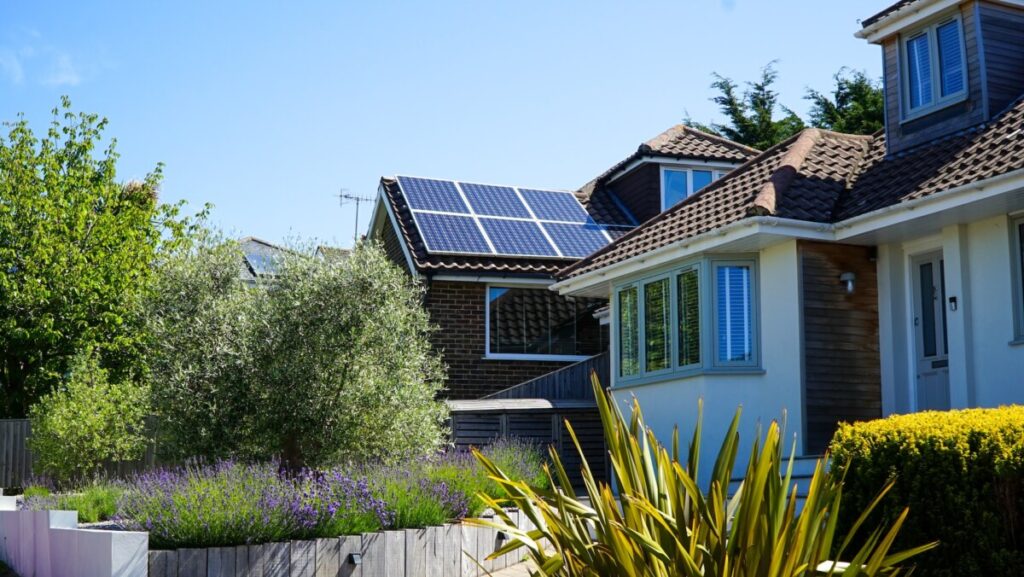
    Canggu is a beautiful coastal area with a fragile ecosystem. As vacation villas owner in Canggu, it’s important to take steps to minimize your environmental impact and promote sustainability. This can include things like using eco-friendly materials in your villa construction, installing solar panels, and implementing waste reduction and recycling programs. However, implementing these measures can be expensive and require ongoing maintenance and management.

    Building a vacation villas in Canggu, whether for personal property or for rent, can be challenging, but with careful planning and execution, it can also be a rewarding and profitable venture. By finding the right location, navigating local regulations, finding skilled labor, building in a sustainable manner, and marketing and managing the property effectively, owners can overcome these challenges and create a successful vacation rental business in Canggu.

  • How to Find the Best Villa in Bali for Your Next Vacation

    How to Find the Best Villa in Bali for Your Next Vacation

    Bali is a popular destination for travelers looking for a tropical paradise. Bali offers something for everyone with its beautiful beaches, lush jungles, and vibrant culture. But with so many options to choose from, it can be overwhelming to decide where to stay. This is why we’ve compiled a guide on how to find the best villa in Bali for your next vacation.

    Finding the best villa in Bali for your next vacation can be overwhelming, but with a bit of research and planning, it can be easy. By considering the location, amenities, features, and price, you’ll be able to find the perfect villa for your next vacation. Remember to take your time and enjoy the process, as finding the perfect villa in Bali is the first step in an unforgettable vacation.

    Location, Location, Location

    Location is one of the most important things to consider when looking for a villa in Bali. Bali is a large island with many different areas to choose from. Each area has its unique charm and offers a different experience. For example, Seminyak is known for its luxury resorts, upscale restaurants, and vibrant nightlife. On the other hand, Ubud is known for its tranquil atmosphere, cultural experiences, and scenic rice paddies.

    When deciding on a location, think about what you want to get out of your vacation. Are you looking for a romantic getaway? A family-friendly holiday? A vacation with friends? Once you’ve decided on your priorities, you can start looking for a villa that best suits your needs.

    Amenities and Features

    When looking for a villa in Bali, it’s essential to consider the amenities and features that are important to you. Some of the most common amenities offered in Bali’s villas include private pools, air-conditioning, and fully-equipped kitchens. If you’re looking for a luxury villa, consider amenities such as spa treatments, private chefs, and butler service.

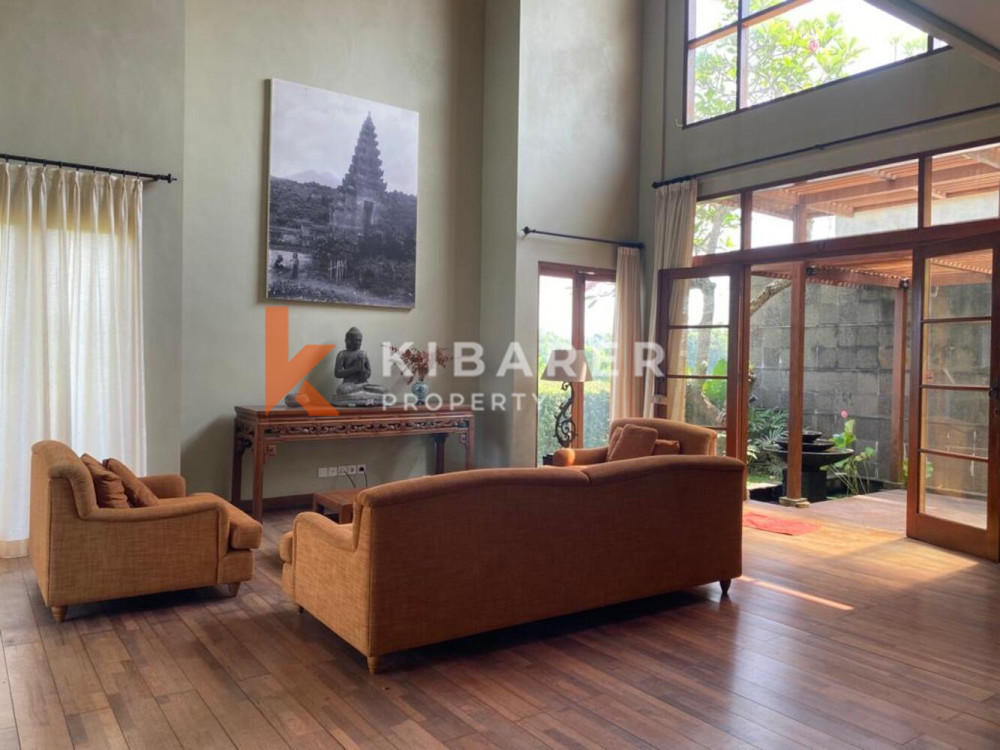
    living room at the best villa in Bali

    When considering amenities and features, consider what you need to make your vacation comfortable and enjoyable. Are you looking for a villa with a private pool? A villa with a fully-equipped kitchen? A villa with a spa? Once you’ve decided on your priorities, you can start looking for a villa that offers the amenities and features that are important to you.

    Price

    When looking for a villa in Bali, it’s essential to consider the price. Bali’s villas come in a wide range of prices, from budget-friendly to luxury. When deciding on a price range, think about your budget and what you’re willing to spend. Keep in mind that the price of a villa can vary depending on the location, amenities, and features.

    When deciding on a price range, it’s essential to consider the value for money. A higher price sometimes means a better villa. So, it’s essential to research and compares prices to ensure you’re getting the best deal.