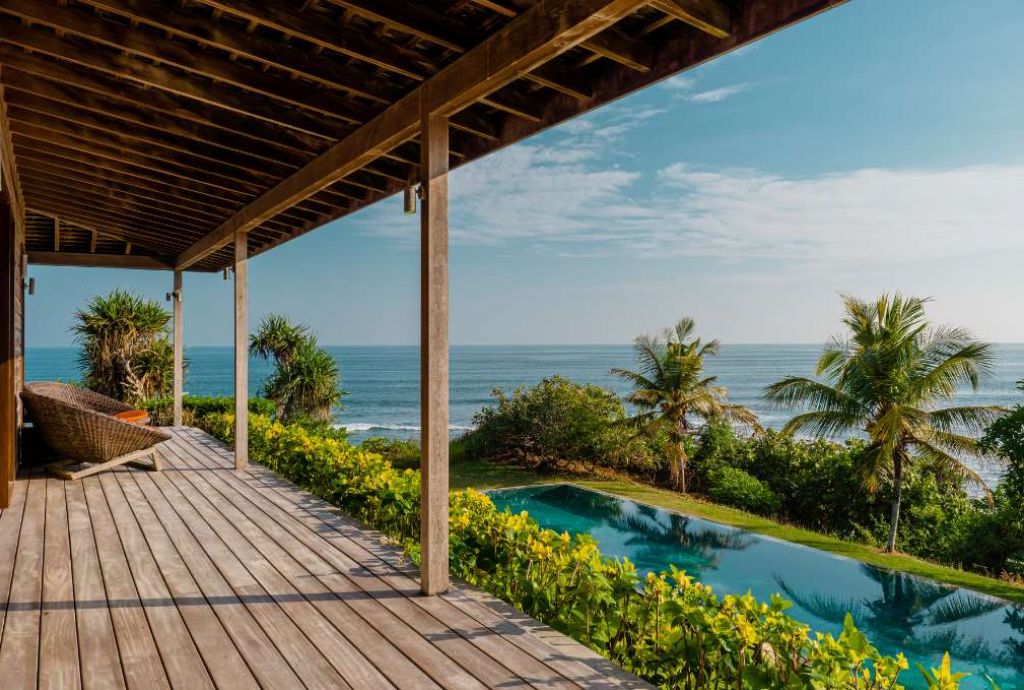
When people dream of owning a tropical home, the idea of buying a villa in Bali often tops the list. With its lush landscapes, world-class beaches, and vibrant culture, Bali has become one of the most attractive real estate markets in Southeast Asia. However, investors should also consider the island’s environmental challenges, particularly the risk of flood disasters. These natural events have a direct effect on property values, insurance costs, and the long-term security of villa investments.
Flood Disasters and Property Values
Bali’s villa market has grown rapidly over the last two decades, especially in areas like Canggu, Seminyak, and Ubud. Yet, seasonal flooding and heavy rains can influence buyer confidence. Properties located in flood-prone zones often experience slower appreciation rates compared to villas on elevated ground or in areas with stronger infrastructure.
For instance, buyers are now more cautious about investing in properties located in low-lying coastal areas. Real estate agents report that flood history is becoming a key factor in negotiations. A villa that once commanded premium prices may see its value reduced if it is repeatedly affected by floods. On the other hand, villas built with proper drainage systems or elevated foundations often maintain their value better, making them a safer long-term choice.
Also read Smart Buyers’ Guide: Choosing Flood-Resilient Villas in Bali
The Rising Cost of Insurance
Insurance is another critical factor shaping how flood disasters affect Bali’s villa market. As extreme weather events become more frequent due to climate change, insurers are adjusting their policies. Premiums for properties in high-risk flood areas are climbing. In some cases, insurance companies may even exclude flood coverage altogether.
For foreign investors looking to buy a villa in Bali, this means higher recurring costs to protect their property. Without adequate insurance, the financial impact of flood damage can be devastating, covering repairs, replacing interiors, and sometimes necessitating rebuilding entirely. Savvy investors now factor in insurance accessibility and pricing before committing to a purchase.
Long-Term Investment Security
One of the main attractions of the Bali property market is its promise of strong returns, whether through vacation rentals or long-term appreciation. However, flood disasters introduce an element of risk that can undermine this security.
Tenants and tourists are less likely to book villas in areas known for flooding, especially during the rainy season. This can reduce rental income and occupancy rates, directly affecting the profitability of the investment. Furthermore, ongoing repair costs, combined with higher insurance premiums, may eat into profit margins.
At the same time, awareness of climate risks has given rise to a new opportunity: sustainable and resilient villa design. Developers who prioritise eco-friendly construction, such as elevated villas, rainwater management systems, and natural flood barriers, are gaining a competitive edge. These properties not only appeal to environmentally conscious buyers but also stand as safer long-term investments in the face of rising flood risks.
How Buyers Can Protect Their Investments
For those who still wish to purchase a villa in Bali, the key lies in thorough due diligence. Before making a purchase, investors should:
- Research the flood history of the area.
- Consult with local real estate experts about drainage and infrastructure.
- Factor in the cost and availability of insurance.
- Consider eco-friendly and elevated villa designs for long-term security and sustainability.
By approaching the market with awareness, buyers can enjoy the benefits of Bali’s real estate while minimizing environmental risks.
The dream of owning a tropical retreat remains strong, but understanding how flood disasters affect Bali’s villa market is essential for smart investment decisions. Property values, insurance costs, and long-term profitability are all influenced by environmental challenges. By making informed choices and focusing on resilient properties, investors can still secure a profitable and sustainable future in Bali’s dynamic villa market.