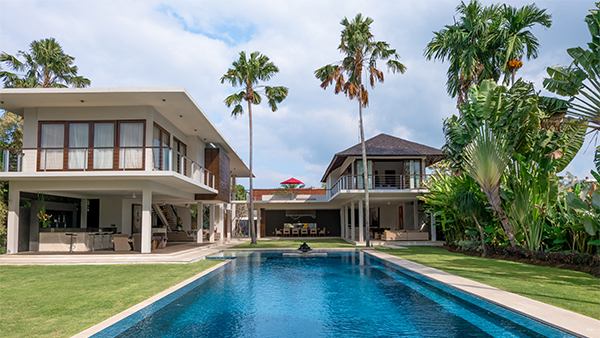
Buying villas in Bali is a dream for many international investors and lifestyle seekers. With its tropical beauty, cultural charm, and thriving tourism industry, it’s no wonder the island is one of Southeast Asia’s hottest property markets. But alongside the promise of paradise comes a vital consideration: floods. Seasonal rains and climate change have made certain parts of the island more vulnerable to water damage. That’s why choosing a flood-resilient villas in Bali isn’t just smart, it’s essential for protecting your investment and ensuring peace of mind.
Understanding Flood Risks in Bali
Bali’s tropical climate is characterized by heavy rainfall, particularly from November to March. In low-lying coastal areas and regions with poor drainage, this can lead to flash floods. Some neighbourhoods also suffer from rapid urban development, where construction projects block natural waterways. As a buyer, knowing which zones are more prone to flooding and which ones offer safer ground should be a priority before signing any contract.
Flood-Prone vs. Safer Areas
Not all of Bali is equally affected by flooding. Certain parts of the island are more exposed due to geography and infrastructure.
- Flood-Prone Areas: Denpasar, Kerobokan, and parts of Seminyak frequently experience seasonal flooding due to rapid urban growth, inadequate drainage, and proximity to rivers. Low-lying areas near rice fields or close to the beach also carry a higher risk.
- Safer Areas: Elevated regions such as Ubud, Sanur, and Jimbaran are generally less affected. Villas built on higher ground, away from congested drainage systems, have a much lower chance of flood damage.
When planning to buy a flood-resilient villas in Bali, always check the property’s elevation, neighborhood history, and local drainage infrastructure.
The Role of Eco-Friendly Designs
Flood resilience is closely tied to sustainable building practices. Modern eco-villas are designed to coexist with Bali’s natural environment rather than fight against it. Features to look for include:
- Elevated Structures: Villas raised on stilts or with higher foundation levels minimize water entry during heavy rains.
- Natural Materials: Bamboo and treated hardwood can withstand humidity better than low-grade concrete.
- Green Landscaping: Permeable gardens, rainwater harvesting, and natural vegetation help absorb excess water, preventing it from pooling around the property.
By prioritizing eco-friendly villas, you’re not only protecting yourself from floods but also contributing to Bali’s long-term environmental sustainability.
Why Drainage Systems Matter
A villa’s drainage system is often overlooked, but it can make or break your investment. A good drainage setup channels rainwater away from living spaces, prevents erosion, and safeguards the foundation. Before purchasing, ask about:
- Stormwater Drains: Are They Regularly Maintained and Unclogged?
- Slope and Flow: Is water directed away from the villa or toward it?
- Community Infrastructure: In densely built neighborhoods, even the best private drainage can fail if the surrounding system is inadequate.
Hiring a property inspector to review the drainage and flood history is highly recommended when buying a property in Bali.
Insurance and Long-Term Security
Even if you choose a flood-resilient villa, protecting your asset with insurance adds an extra layer of security. Some insurers in Indonesia offer natural disaster coverage, which is worth the investment given the island’s climate. Coupled with smart villa selection, this ensures your Bali property retains its long-term value.
Tips for Smart Buyers
- Conduct Local Research: Speak with neighbours and property agents to learn about the area’s flood history.
- Inspect Elevation: Higher ground often equals a safer investment.
- Evaluate Eco-Design: Elevated floors, natural landscaping, and rainwater systems are major pluses.
- Review Drainage: Ensure both the villa and neighbourhood infrastructure can handle heavy rainfall.
- Plan Ahead: Consider insurance to cover potential risks.
Bali remains one of the world’s most desirable destinations for lifestyle and property investment. However, smart investors know that paradise comes with practical considerations. By focusing on location, eco-friendly design, and proper drainage, you can confidently buy a flood-resilient villa in Bali that offers both peace of mind and long-term value. With the right due diligence, your dream home in Bali can be both beautiful and secure, regardless of how intense the rains may be.