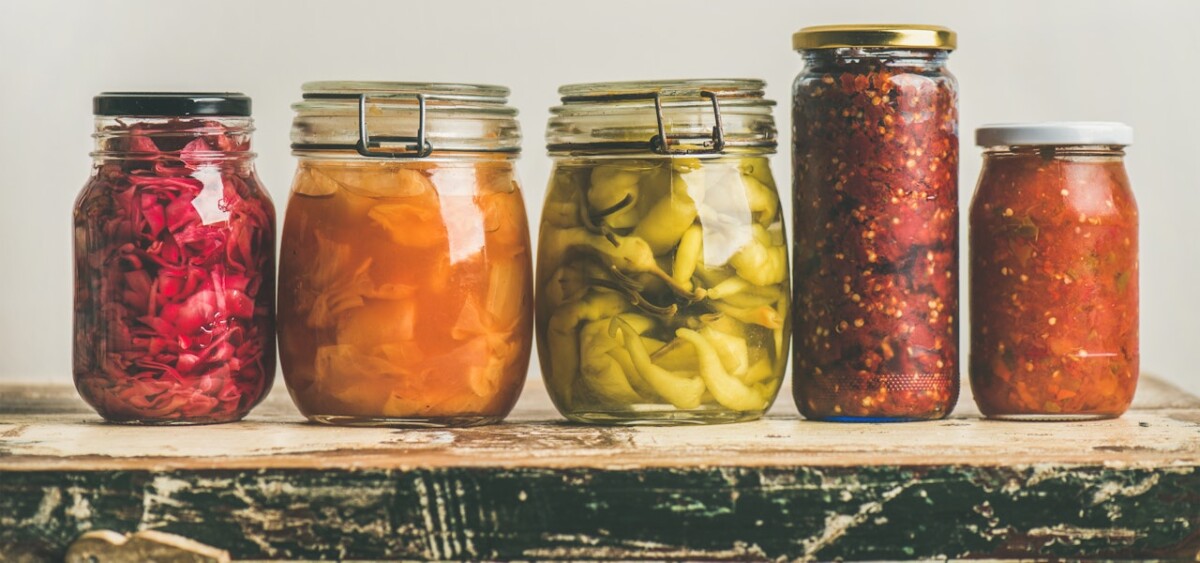
In recent years, bold flavours and gut-friendly ingredients have taken centre stage in modern cuisine, and nothing captures this shift better than the rise of fermentation for foodies. What used to be a traditional method for preserving food has now become a global culinary obsession. From spicy kimchi to fizzy kombucha and savoury miso, fermented foods are trending not only for their taste but also for their health benefits and rich cultural stories.
The Ancient Art of Fermentation Meets Modern Food Culture
Fermentation is one of the oldest culinary techniques in the world, used by countless civilisations long before refrigeration existed. The process relies on beneficial bacteria and yeasts to break down sugars and starches, transforming simple ingredients into complex, flavour-rich foods.
Today, fermentation for foodies represents a merging of the old and the new—honouring heritage while satisfying the modern craving for bold, handcrafted, natural products. Whether it’s homemade kombucha bubbling on a kitchen counter or small-batch miso made by artisan producers, fermentation taps into a foodie’s desire for authenticity and craft.
Kimchi: A Bold, Spicy Icon of Korean Tradition
Kimchi has become a globally beloved food, appearing in everything from rice bowls to burgers and tacos. The magic of kimchi lies in the lactic acid bacteria that develop as napa cabbage, radish, garlic, and chilli slowly ferment.
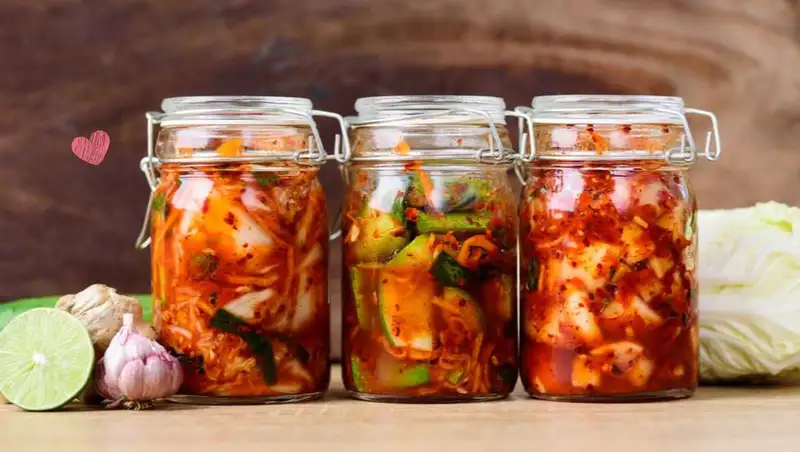
Why Foodies Love It:
- Explosive flavour: Sour, spicy, salty, and umami all at once
- Rich traditions: Each Korean region—and household—has its own recipe
- Health benefits: Packed with probiotics, vitamins, and antioxidants
Kimchi is versatile, too. Food lovers use it in fried rice, soups, grilled cheese sandwiches, or simply as a crunchy side dish. Its flexibility adds to its popularity, making it an essential part of the fermentation wave.
Kombucha: The Trendy, Fizzy Tea with a Cult Following
Kombucha has evolved from a niche health drink to a mainstream favourite, now found in cafés, restaurants, and supermarkets worldwide. Made by fermenting sweetened tea with a SCOBY (symbiotic culture of bacteria and yeast), kombucha delivers a lightly sour, refreshing flavour.

Why Kombucha Is Booming:
- Digestive support: Probiotics help balance the gut
- Customisable flavours: From ginger-lime to berry hibiscus
- Low-altitude craft culture: Many brands embrace small-batch, artisanal brewing
For foodies, kombucha offers a healthier alternative to sugary sodas while still delivering complexity and satisfaction. Some even brew their own at home—a trend perfectly aligned with the rise of DIY food culture.
Miso: The Umami Powerhouse Behind Japanese Cooking
Miso, a fermented paste made from soybeans, salt, and koji, has been a staple of Japanese cuisine for centuries. While traditionally used in soups and marinades, miso has captured the attention of chefs and home cooks worldwide for its deep, savoury flavour.
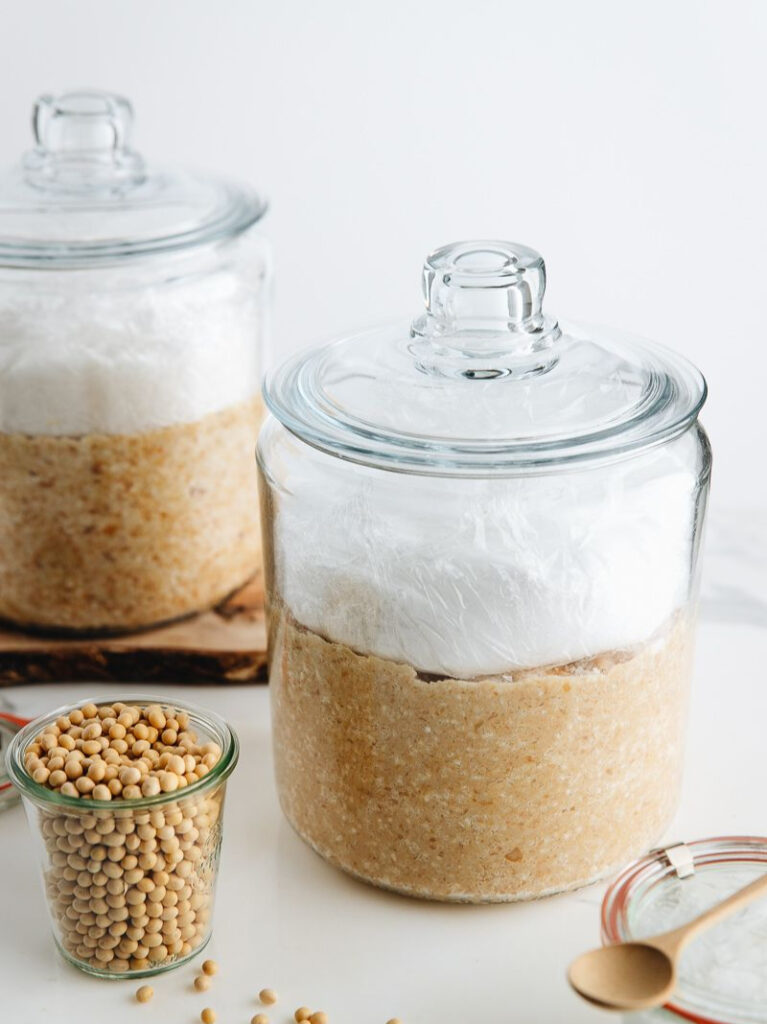
Why Foodies Can’t Get Enough of Miso:
- Depth of flavour: A little miso adds instant umami richness
- Versatility: Works in salad dressings, glazes, sauces, and even desserts
- Fermentation time: Some miso ferments for months or years, creating complexity
In the context of fermentation for foodies, miso is a perfect example of a traditional product gaining new life in trending recipes.
The Wellness Factor: Gut Health and Beyond
One of the biggest reasons fermented foods are booming is their celebrated health benefits. Probiotics help support digestion, immunity, and overall gut health, an area increasingly linked to mood, energy, and long-term wellness.
Consumers today are more informed and more health-conscious, seeking ingredients that do more than taste good. Fermented foods deliver on all fronts: flavour, function, and cultural depth.
A Delicious Movement That’s Here to Stay
The surge of interest in kimchi, kombucha, and miso isn’t just a fad. These foods offer a unique blend of taste, tradition, and wellness that resonates with today’s culinary values. As fermentation for foodies continues to rise, expect even more creative, small-batch, and modern interpretations of this ancient art.