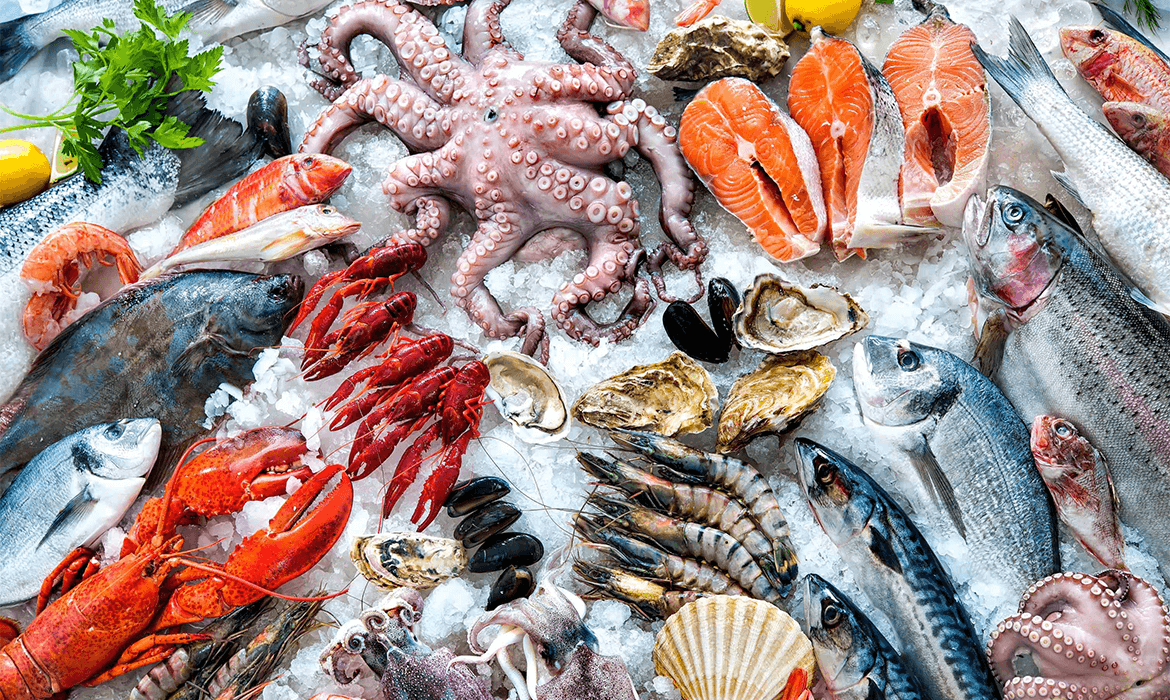
Choosing frozen seafood products is no longer only about price. For international buyers, the right exporter must demonstrate quality, consistency, food safety, documentation, freezing capability, and supply reliability before any long-term order can proceed.
Why Reliable Seafood Exporters Matter in Global Trade
Seafood is one of the most internationally traded food categories in the world. According to global fisheries data, international trade in aquatic products has reached around USD 195 billion, showing how important the cross-border seafood supply has become for retailers, wholesalers, hotels, restaurants, and food manufacturers.
This demand creates strong opportunities, but it also increases buyer expectations. Importers do not want uncertainty in shipment quality, product specifications, temperature control, or export documentation. A buyer may accept a trial order once, but long-term cooperation depends on the exporter’s ability to maintain the same quality across multiple shipments.
That is why international buyers often compare more than one Seafood Exporter before making a decision. They need a partner that understands product handling from catch to freezing, packing, cold storage, container loading, and overseas delivery.
What Do International Buyers Look for First?
The first thing buyers usually check is the product’s capabilities. This includes species availability, processing format, freezing method, packaging options, minimum order quantity, and export readiness.
For example, a buyer sourcing fish fillets, whole round fish, shrimp, squid, tuna, or demersal species may need different specifications depending on the market. A supermarket may prefer retail-ready packs, while a Seafood Supplier for restaurants may need bulk cartons, portion control, or consistent sizing.
Reliable exporters should make product information clear. Buyers want to know the species name, scientific name, origin, size grade, net weight, glaze percentage, freezing type, shelf life, and storage temperature. These details help them compare offers properly and avoid mistakes during import clearance or resale.
For exporters, a clear catalogue of frozen seafood products helps buyers understand the available range before requesting samples or quotations.
Freezing Capability and Cold Chain Control
The cold chain is one of the most important factors in seafood export. Once quality is lost, it cannot be repaired later. This is why buyers pay close attention to freezing speed, storage temperature, loading process, and container condition.
Fast freezing helps preserve texture, colour, and freshness. Products frozen at very low temperatures and properly stored are generally more attractive to international buyers because they reduce the risk of drip loss, quality decline, and customer complaints.
A reliable exporter should be able to explain whether products are IQF, semi-IQF, block-frozen, sea-frozen, or land-frozen. Each method has a different use. IQF is often preferred when buyers need easier handling and portion separation. Block frozen is useful for bulk supply and processing. Semi-IQF may suit buyers who need a balance between practicality and cost.
International buyers evaluating frozen seafood products also want confidence that the product remains stable from the processing facility to the destination port. This includes pre-cooled containers, proper loading, temperature records, and clear handling instructions.
How Can Exporters Prove Product Consistency?
Consistency is one of the strongest signs of a professional exporter. A buyer may receive a good first shipment, but the real test is whether the second, third, and fourth shipments match the agreed standard.
A seafood export company should carefully maintain product specifications. This includes size grading, trimming, freezing conditions, packaging material, carton weight, labelling, and product appearance. Even small differences can create problems for importers who sell to strict retail or foodservice channels.
Samples are useful, but buyers should also ask for production photos, packing details, and pre-shipment inspection reports when needed. For larger contracts, they may request regular quality checks or third-party inspection before loading.
A dependable frozen seafood exporter understands that consistency protects both sides. It reduces disputes, builds buyer confidence, and makes repeat orders easier.
Documentation, Compliance, and Market Entry
Seafood import is heavily regulated. Each destination market may have different documentation requirements, especially regarding food safety, origin, health certificates, and customs clearance. A professional Seafood Distributor or importer will usually ask exporters to prepare complete documents before shipment.
Important documents may include a commercial invoice, a packing list, a bill of lading, a health certificate, a certificate of origin, a catch certificate if required, and a product specification sheet. Some buyers may also request HACCP-related documents, factory registration, laboratory tests, or traceability records.
This is where experience matters. A Seafood Trader may find buyers, but long-term value comes from exporters that can manage the operational details behind the shipment. International buyers want a supplier that understands compliance, not only product sales.
Product Range and Market Flexibility
A strong exporter should offer enough variety to support different buyer needs. Some markets prefer tuna, skipjack, mackerel, snapper, grouper, squid, cuttlefish, octopus, shrimp, or milkfish. Others focus on value-added formats such as frozen fillets, steaks, loins, cleaned cephalopods, or whole gutted fish.
Global aquatic food production exceeded 223 million tonnes in 2022, with aquaculture output at 130.9 million tonnes. This shows how large and diverse the seafood supply landscape has become. For buyers, the challenge is not simply finding a product. The challenge is finding a supplier that can match species, format, volume, price, and quality expectations.
Reliable seafood export products should be presented in a way that supports commercial decisions. Buyers need product lists, photos, available formats, and clear communication on seasonal availability.
Why Indonesia Is Relevant for International Buyers
Indonesia plays an important role in the global seafood supply because of its marine resources, fishing communities, and export experience. Buyers searching for a seafood supplier in Indonesia often look for a wide variety of species, competitive sourcing, and access to both pelagic and demersal products.
A good seafood supplier in Indonesia can support importers by offering wild-caught and processed fishery products that suit different markets. This is especially important for buyers who need flexible supply for wholesale, retail, or foodservice distribution.
However, buyers should not choose based on country alone. They should assess the exporter’s freezing capability, documentation readiness, communication quality, product consistency, and ability to handle repeat orders.
Building Long-Term Export Partnerships
The best seafood trade relationships are built on trust, not one-time transactions. International buyers prefer exporters who respond quickly, provide accurate details, and communicate clearly when there are changes in availability, pricing, production schedule, or shipment timing.
A reliable exporter should be transparent about what can and cannot be supplied. Overpromising may win a first inquiry, but it can damage trust later. Long-term buyers value honesty, especially when dealing with seasonal seafood supply.
When frozen seafood products arrive in good condition, with correct documents and consistent specifications, buyers gain confidence to reorder. Over time, this can turn a simple inquiry into a stable export partnership.
Final Thoughts
International buyers choose seafood exporters carefully because the risks are high. Product quality, cold chain control, documentation, consistency, and communication all affect whether a shipment succeeds.
For importers, the best approach is to evaluate suppliers beyond price. Check freezing methods, product range, storage conditions, export experience, and the ability to meet market requirements. For exporters, the key is to make the buying process easier, clearer, and more reliable from the first conversation.
In a competitive global seafood market, reliability is the real advantage. Exporters who can demonstrate quality and consistency are the most likely to earn long-term trust from international buyers.