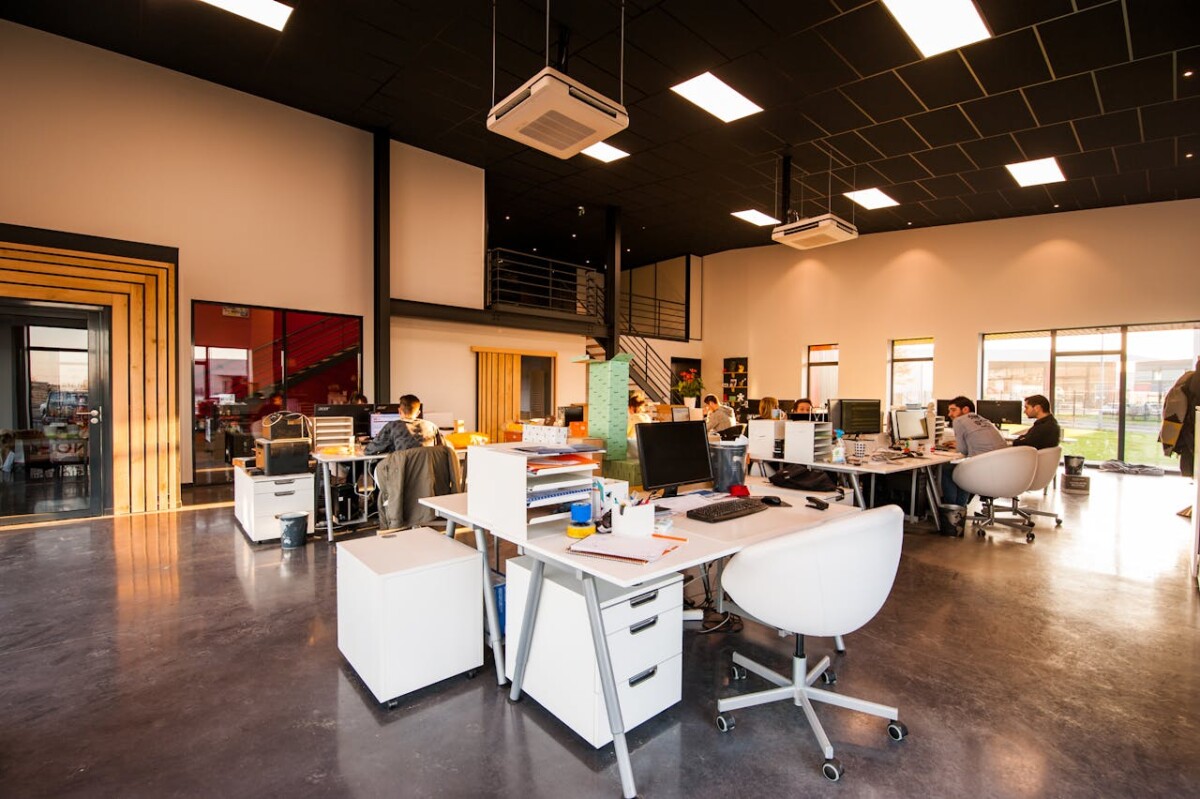
The way we work has fundamentally changed, and Sydney businesses are feeling it firsthand. Hybrid work is no longer a temporary fix; it has become the standard operating model for companies of all sizes, from CBD law firms to creative agencies in Surry Hills. If your office still looks the way it did in 2019, it is time for a rethink. As someone who has written extensively about workplace design and spoken with fitout specialists across the country, I can tell you that the offices thriving today are the ones built with flexibility at their core. A well-planned commercial fit out in Sydney is no longer a luxury, it is a strategic investment that directly affects how your team collaborates, focuses, and feels about coming into the office. This piece walks through the most effective workspace ideas and fitout strategies for hybrid teams in Sydney, with practical insights you can actually use.
Understanding What Hybrid Teams Actually Need
Before you start moving walls or ordering furniture, it pays to understand what your team actually needs from the office. Hybrid employees do not come in every day, which means the office has to earn its place. When people choose to make the commute, they are looking for something they cannot get at home: face-to-face collaboration, high-quality meeting facilities, and a sense of belonging to something bigger than their spare bedroom desk setup.
The mistake many Sydney businesses make is designing an office for full-time occupancy and then wondering why hybrid staff do not bother showing up. The smarter approach, and one that fitout specialists like Stemar Group consistently recommend, is to design for activity-based working. Instead of assigning every person a fixed desk, you create a variety of zones that serve different tasks throughout the day. This reduces wasted space, lowers real estate costs, and, most importantly, gives your team a reason to come in.
Open Collaboration Zones That Actually Work
Open plan offices became the norm over the past decade, but the backlash has been swift and justified. When everything is open, nothing is conducive to deep work. The answer is not to abandon open layouts altogether but to be intentional about how and where they are used. Dedicated collaboration zones, set apart from quiet work areas, give teams a place to workshop ideas, run stand-ups, and have the kind of spontaneous conversations that drive innovation.
In practice, this might look like a central hub with movable furniture, writable walls, and good natural light, surrounded by quieter zones on the perimeter. Stemar Group has delivered exactly this kind of layout for a number of Sydney clients, helping them strike the right balance between openness and focus. The key is to make these spaces genuinely inviting: comfortable seating, good acoustics, and easy access to whiteboards or screens. A collaboration zone that people actually use is worth ten that look great in a render but feel awkward in real life.
Quiet Focus Areas and Acoustic Solutions
One of the most common complaints I hear from hybrid workers is that the office is too noisy for focused work. They come in, sit in an open area, and spend half the day wearing headphones just to concentrate. If that sounds familiar, your fitout needs acoustic work. Quiet focus areas, whether they are dedicated rooms, pods, or screened-off sections of the floor, are not a nice-to-have for hybrid teams. They are essential.
Acoustic phone booths have become one of the most popular additions to hybrid workplaces in Sydney. These compact, soundproofed units give individuals a private space for calls, video meetings, or deep work without booking a full meeting room. When Stemar Group advises clients on office refurbishment, acoustic design is almost always at the top of the list. The investment in quality acoustic panels, soft furnishings, and thoughtful spatial planning pays off quickly in employee satisfaction and productivity.
Hot-Desking and Smart Desk Booking Systems
Hot-desking gets a bad reputation, often because it is implemented poorly. When it works well, though, it is one of the most effective ways to make a hybrid office function efficiently. The trick is combining flexible desk arrangements with a reliable booking system so people are not wandering around looking for somewhere to sit when they arrive. No one wants to feel like they are back at a university library during exam week.
Physically, hot-desking setups work best when workstations are clean, well-equipped, and consistent. Every desk should have access to the same monitors, charging points, and ergonomic adjustments. Lockers or personal storage nearby give people a place to keep their belongings. When Stemar Group designs hot-desking environments for Sydney offices, the focus is always on making each workstation feel just as good as a personal desk would, because the moment quality drops, resentment builds.
Technology-Enabled Meeting Rooms for Hybrid Collaboration
If you have ever been the person dialling in to a meeting while everyone else is in the room together, you will know how isolating that experience can be. The camera is pointed at a whiteboard, the audio cuts in and out, and you spend half the meeting asking people to repeat themselves. Hybrid meetings only work when the technology supports equal participation for both in-room and remote attendees.
Investing in purpose-built hybrid meeting rooms is one of the most impactful fitout decisions a Sydney business can make right now. This means wide-angle cameras that capture the whole room, ceiling microphone arrays that pick up every voice clearly, and large displays that make remote participants feel present. Stemar Group integrates AV technology into meeting room designs from the ground up, rather than bolting equipment onto rooms that were not designed to support it. The result is a meeting experience that is genuinely equitable, regardless of where your team members are sitting.
Breakout Spaces and Employee Wellbeing Areas
Wellbeing has moved from a corporate buzzword to a genuine fitout priority. When people come into the office, they need spaces to decompress, recharge, and connect informally with colleagues. Breakout areas, comfortable lounges, and kitchen spaces that invite people to linger are the social glue of a hybrid workplace. They are also where some of the best ideas happen, as anyone who has had a breakthrough conversation over a coffee at work will attest.
Sydney offices are increasingly incorporating wellness rooms, mothers’ rooms, and quiet reflection spaces into their fitouts. These are not fringe requests; they are becoming standard practice for businesses that want to attract and retain good people. Stemar Group approaches wellness spaces as an integral part of the overall fitout, not an afterthought tucked into a leftover corner of the floor plan. Done well, these spaces send a clear message to your team: we have thought about your whole experience here, not just where you sit.
Biophilic Design and Bringing Nature Indoors
There is a growing body of research showing that access to natural light, greenery, and natural materials in the workplace reduces stress, improves mood, and increases cognitive performance. For Sydney offices, which often have great access to outdoor views and natural light, biophilic design is a natural fit. Living walls, indoor plants, timber finishes, and maximising window light are all relatively straightforward elements that can transform how a space feels.
I have visited offices that have spent enormous amounts on fitouts and still feel sterile and uninviting, and I have visited others that used modest budgets but brought in plants, natural textures, and warm lighting to create genuinely energising workplaces. Stemar Group consistently incorporates biophilic principles into their Sydney office fitout projects, understanding that the sensory environment is just as important as the functional layout. If your hybrid team is going to choose the office over their homes, the office needs to feel worth choosing.
Why Stemar Group Is the Right Partner for Your Sydney Office Fitout
Redesigning an office for hybrid work is not a simple furniture shuffle. It requires a deep understanding of how people work, how teams interact, and how a physical space can support both. That is why partnering with an experienced fitout specialist matters so much. Stemar Group has built a strong reputation in Sydney for delivering commercial office fitouts that are thoughtful, functional, and built to last.
What sets Stemar Group apart is their consultative approach. They do not arrive with a templated solution and apply it to every client. Instead, they take the time to understand your business, your team dynamics, and your growth plans before a single design decision is made. Whether you are fitting out a new tenancy, refreshing an existing space, or undertaking a full office refurbishment, Stemar Group brings the expertise and project management capability to deliver on time and within budget. For Sydney businesses navigating the shift to hybrid work, that kind of end-to-end support is genuinely valuable.
From acoustic design and AV integration to joinery, flooring, and space planning, Stemar Group covers every aspect of the fitout process. Their portfolio of completed projects across Sydney demonstrates a consistent ability to translate complex briefs into workspaces that people genuinely enjoy. If you are starting to think seriously about your next office fitout, Stemar Group is a team worth talking to early in the process.
Getting Started with Your Hybrid Office Transformation
The hybrid workplace is not going away. If anything, employee expectations around flexibility are only going to increase, and the businesses that adapt their physical offices to meet those expectations will have a real advantage when it comes to attracting talent and keeping people engaged. The good news is that Sydney has no shortage of excellent fitout expertise to draw on.
Whether you are planning a minor refresh or a complete fitout from scratch, the principles remain the same: design for different activities, prioritise acoustics and technology, build in flexibility, and make the space genuinely welcoming. With the right partner, such as Stemar Group, the process is far less daunting than it might seem. The result is an office your hybrid team will actually want to come to, and that is the whole point.