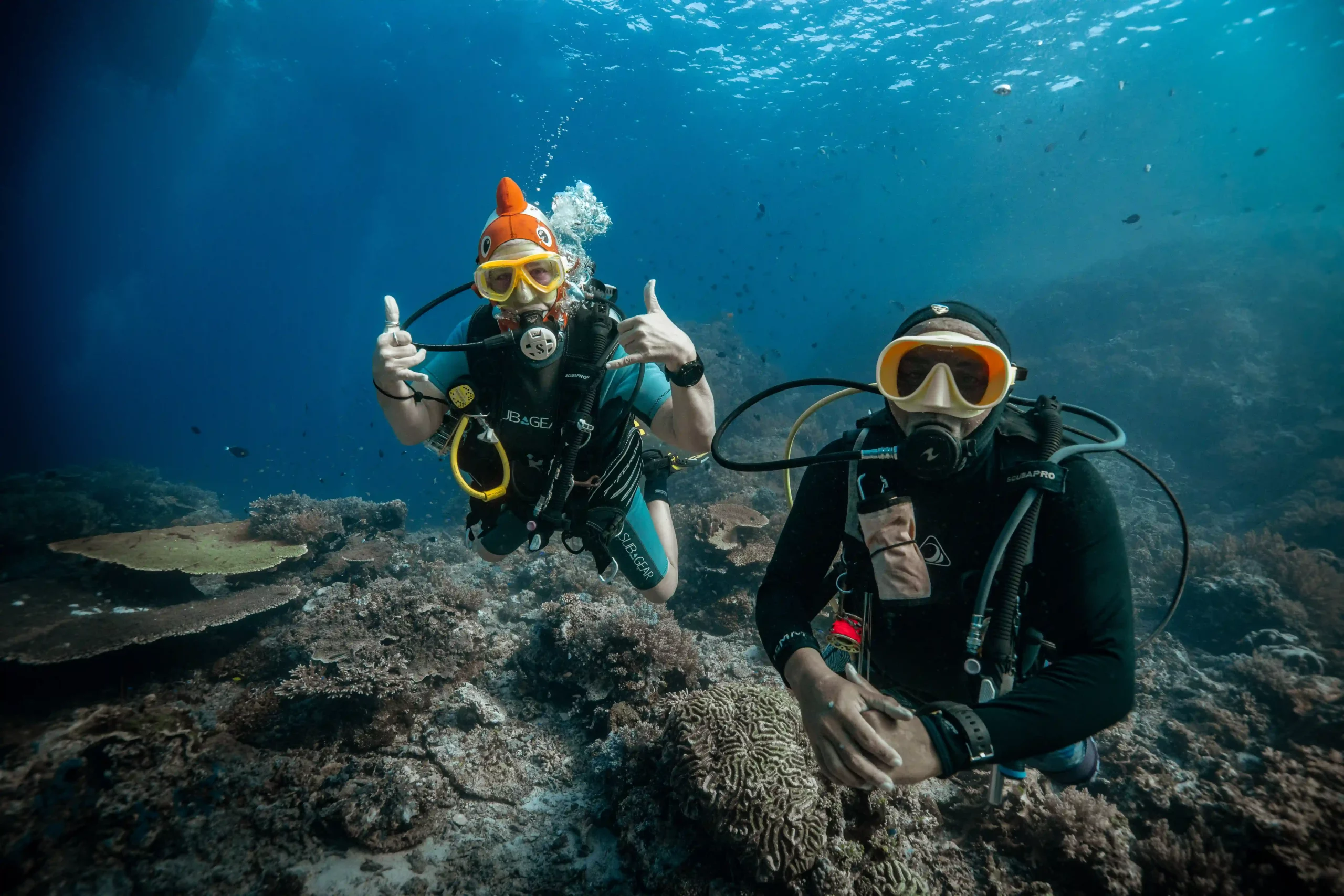
Planning a Komodo diving trip requires careful consideration of the time of year, as the season significantly impacts your experience underwater and the ideal length of your stay. Komodo National Park, a UNESCO World Heritage Site in Indonesia, is renowned for its vibrant marine biodiversity, from colorful coral reefs to majestic manta rays. However, the dry and wet seasons offer distinct diving conditions, affecting everything from visibility to site accessibility. This guide explores how long you should stay in Komodo for diving during each season, ensuring you make the most of your adventure. Whether you’re a seasoned diver or a weather-conscious traveler, we’ll help you plan the perfect trip with practical tips and seasonal insights.
Understanding Komodo’s Diving Seasons
Komodo National Park, located near Labuan Bajo, is a year-round diving destination. Still, it’s two distinct seasons, dry (April to October) and wet (November to March), that shape the diving experience. Each season has unique advantages and challenges, influencing how many days you’ll need to enjoy Komodo diving fully. By aligning your trip with the right season and duration, you can optimize your time exploring iconic sites like Batu Bolong, Crystal Rock, and Manta Point.
Dry Season (April–October): 5–7 Days for Ideal Conditions
The dry season is the most popular time for Komodo diving, offering calm seas, excellent visibility (often exceeding 20 meters), and stable weather. With minimal rainfall and gentler currents, this period is ideal for divers of all levels, from beginners to advanced. A 5–7-day trip is recommended to balance diving with relaxation and exploration.
During the dry season, you can dive multiple times daily, visiting a variety of sites. For example, Castle Rock and Crystal Rock are known for strong currents but reward divers with schools of trevally and vibrant corals. A 5-day itinerary allows you to cover 8–10 dives, hitting must-see sites like Tatawa Besar and Manta Point, where manta rays gather in large numbers. Adding a couple of extra days (up to 7) gives you time for land-based adventures, such as trekking to see Komodo dragons on Rinca or Komodo Island.
For a 5-day trip, focus on day trips from Labuan Bajo, which typically include 2–3 dives per day. A 7-day trip, however, is perfect for liveaboards, which offer access to remote sites like South Komodo’s Mawan or Padar’s Three Sisters. The dry season’s predictability means you won’t need buffer days for weather disruptions, making 5–7 days sufficient for a fulfilling Komodo diving experience.
Pro Tip: Check weather forecasts on sites like Windy to confirm calm conditions before booking. Opt for dive operators with flexible schedules, such as Flores Diving Centre, to maximize your dive time.
Also read Combining Wellness and Exploration: Yoga and Spa Retreats on Komodo Liveaboards
Wet Season (November–March): 7–10 Days for Flexibility
The wet season brings more rainfall, higher humidity, and occasionally rough seas. However, it’s still a fantastic time for Komodo diving, especially for those seeking unique marine encounters. Visibility may drop to 10–15 meters in some areas, and currents can be stronger, making this season better suited for experienced divers. To account for potential weather disruptions, a 7–10-day trip is recommended.
One of the wet season’s highlights is the increased presence of manta rays, particularly at Manta Point and Manta Alley, where aggregations are more frequent due to nutrient-rich waters. Sites like Batu Bolong remain accessible, though conditions may require advanced skills. A 7-day itinerary allows for 10–12 dives, but adding a few extra days (up to 10) provides a buffer for rain or choppy seas, ensuring you don’t miss key sites.
Liveaboards are especially popular in the wet season, as they can navigate to calmer areas when conditions shift. For example, a 7-day liveaboard might cover both North and South Komodo, including sites like Gili Lawa Laut, known for its shark sightings. Land-based diving from Labuan Bajo is also viable. However, you may need to adjust plans based on daily weather updates. A 10-day trip gives you the flexibility to mix diving with cultural activities, such as visiting local villages or exploring the pink sands of Pantai Merah.
Pro Tip: Monitor weather updates through AccuWeather or local dive operator reports. Book with operators like Blue Marlin Komodo, which offer adaptable itineraries to navigate wet season challenges.
Seasonal Highlights to Plan Your Trip Around
Each season offers unique marine encounters that can influence your Komodo diving duration. In the dry season, the focus is on vibrant coral gardens and large pelagics like reef sharks and groupers, with sites like Shotgun delivering thrilling drift dives. The calm conditions allow for more consistent dive schedules, making a shorter 5–7-day trip highly productive.
In the wet season, manta ray aggregations steal the show, particularly from January to March. You might also spot juvenile whale sharks in certain areas, adding excitement to your dives. However, unpredictable weather means you’ll need extra days to ensure you can visit these bucket-list sites. A 7–10-day trip ensures you have enough time to wait out brief storms and still enjoy 10–15 dives.
Practical Tips for Planning Your Komodo Diving Trip
- Check Weather Forecasts: Use reliable tools like Windy or AccuWeather to track sea conditions and rainfall. This is especially crucial in the wet season to avoid scheduling dives during rough weather.
- Book Flexible Itineraries: Choose dive operators with adaptable schedules. Reputable operators like Flores Diving Centre or Blue Marlin Komodo offer tailored trips and can adjust plans based on conditions.
- Consider Your Skill Level: The dry season suits all divers, while the wet season’s stronger currents may require advanced certifications. Plan your trip length based on your comfort level with challenging conditions.
- Mix Diving with Land Adventures: Both seasons offer opportunities to complement diving with Komodo dragon treks or snorkeling at Pink Beach. A 7-day trip (dry season) or 10-day trip (wet season) allows time for these extras.
- Pack for the Season: In the dry season, bring lightweight gear and sun protection. For the wet season, include waterproof bags and quick-dry clothing to handle rain.
How Long Should You Stay?
For the dry season (April–October), a 5–7-day trip is ideal, offering calm seas, excellent visibility, and enough time to explore Komodo’s best dive sites. In the wet season (November–March), plan for 7–10 days to account for weather variability and to catch seasonal highlights like manta ray aggregations. Whether you choose a liveaboard or land-based diving, aligning your trip length with the season ensures a memorable Komodo diving adventure.