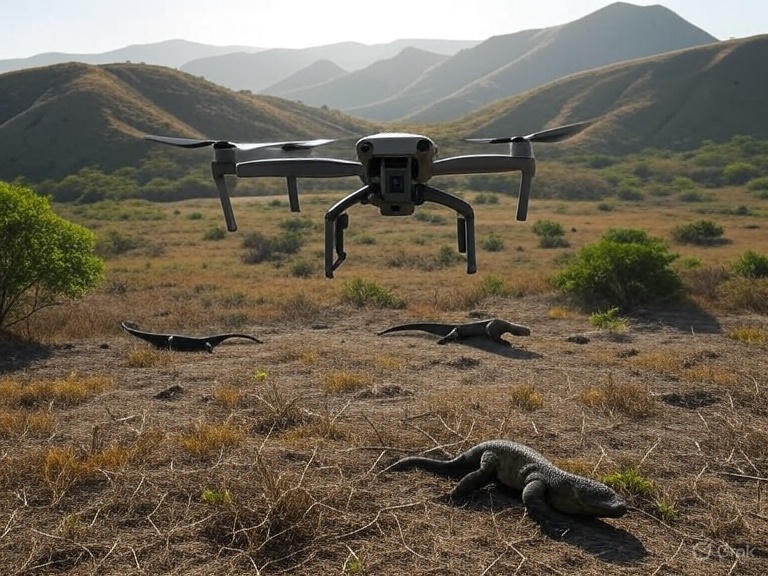
The Komodo National Park (TNK), a UNESCO World Heritage Site, is renowned for its breathtaking landscapes and unique biodiversity, including the iconic Komodo dragon. For travelers embarking on a Komodo Yacht Charter, capturing aerial footage with drones is tempting, but the Rp 2 million drone permit fee has sparked debate, especially after travel blogger Harival Zayuka was denied use despiteસ
System: Despite paying the fee due to a lack of a SiMaksi permit, with no refund offered. This article debates the fairness of TNK’s drone fee, its role in conservation, and how it compares to drone policies in other global national parks, while considering the implications for Komodo Yacht Charter enthusiasts.
The Harival Zayuka Incident: A Case Study
Harival Zayuka’s viral Instagram post highlighted a frustrating experience: despite paying Rp 2 million (approximately USD 122) for a drone permit, he was barred from flying over Pulau Padar due to an unobtained SiMaksi permit, a separate requirement for entry into a conservation area. The non-refunded fee left him disappointed, missing a sunset shot. This incident highlights the complexity of TNK’s regulations, which require both a drone operation fee and a SiMaksi permit, both of which must be processed through separate platforms. The lack of integration between the SiOra app for ticket purchases and the SiMaksi application process has led to confusion, as Zayuka’s case illustrates, raising questions about the fairness of the fee.
Conservation Contributions of the Drone Fee
The Rp 2 million drone fee, as outlined by the Komodo National Park authority, supports conservation efforts critical to protecting TNK’s delicate ecosystem, home to 1,300 Komodo dragons and diverse marine life. Drones can disturb wildlife, particularly on islands like Kalong and Rinca, where their use is banned to prevent stress to bats and dragons. The fee funds park management, ranger patrols covering 22,370 km annually, and anti-poaching technology like SMART systems and cameras. According to the Komodo Survival Program, these efforts combat illegal fishing and poaching, preserving the park’s 253 coral species and 1,000 fish species. The fee’s contribution to these initiatives suggests it’s more than a revenue grab. Still, its high cost and administrative hurdles demand scrutiny.
Global National Park Drone Policies
Comparing TNK’s drone policy to other global national parks provides context. In Australia’s Great Barrier Reef Marine Park, drone permits cost approximately AUD 500 (USD 340) per year, with strict no-fly zones in place over sensitive areas. Yellowstone National Park in the United States bans drones outright to protect wildlife and the visitor experience, with fines of up to $5,000 for violations. Tanzania’s Serengeti National Park requires permits, which cost $50-$100 and are processed through local authorities, with restrictions in place near animal habitats. TNK’s Rp 2 million daily fee is notably higher than most. However, its separate SiMaksi requirement aligns with global practices that emphasise environmental protection. Unlike Yellowstone’s outright ban, TNK allows regulated drone use; however, the cost and process complexity exceed those of many parks.
Is the Fee Fair for Travelers?
For travelers on a Komodo Yacht Charter, the Rp 2 million fee can feel steep, especially when unexpected permit issues, like Zayuka’s, prevent usage without refunds. The daily rate of the fees—potentially Rp 6 million for a three-day trip—can rival accommodation costs in Labuan Bajo, making it a significant expense for drone enthusiasts. Critics argue the fee disproportionately affects individual travelers compared to commercial operators, who may absorb costs into packages. However, the fees’ conservation benefits, such as funding patrols and habitat preservation, justify their existence for many. The planned integration of SiMaksi and drone ticket processes on the SiOra platform promises to streamline future experiences, potentially alleviating frustrations.
Balancing Cost and Conservation
The high cost of TNK’s drone fee reflects the park’s commitment to conservation and environmental protection. Still, its fairness hinges on transparency and accessibility. Compared to other global parks, TNK’s fee is on the higher end. Yet, its unique biodiversity and UNESCO status warrant stringent measures. For Komodo Yacht Charter travelers, ensuring compliance with both SiMaksi and drone fee requirements is crucial to avoid a similar fate to Zayuka’s. As TNK refines its systems, more transparent communication and integrated processes could make the Rp 2 million fee feel more justified, balancing the cost of a stunning aerial view with the preservation of this natural wonder.