Category: Travelling

  • Private Tour in Japan for a More Personalized Travel Experience

    Private Tour in Japan for a More Personalized Travel Experience

    Japan is a destination that offers remarkable diversity, from vibrant cities and historic landmarks to scenic countryside regions and seasonal attractions. While independent travel remains popular, many visitors choose a private tour in Japan to enjoy a more personalized and flexible way of exploring the country. Customized itineraries allow travelers to focus on experiences that align with their interests while avoiding the limitations often associated with large group tours.

    A private travel experience can be tailored to suit different travel styles, whether the goal is discovering cultural attractions, exploring regional destinations, enjoying local cuisine, or experiencing Japan’s natural beauty. Instead of following a fixed schedule, travelers can spend more time at destinations they find most interesting and adjust plans according to their preferences.

    This flexibility has contributed to the growing popularity of private tours among families, couples, small groups, and travelers seeking a more comfortable and immersive journey. By combining local expertise with personalized planning, visitors can gain deeper insights into Japan while creating a travel experience that feels unique to them.

    Why Travelers Choose Private Tours in Japan
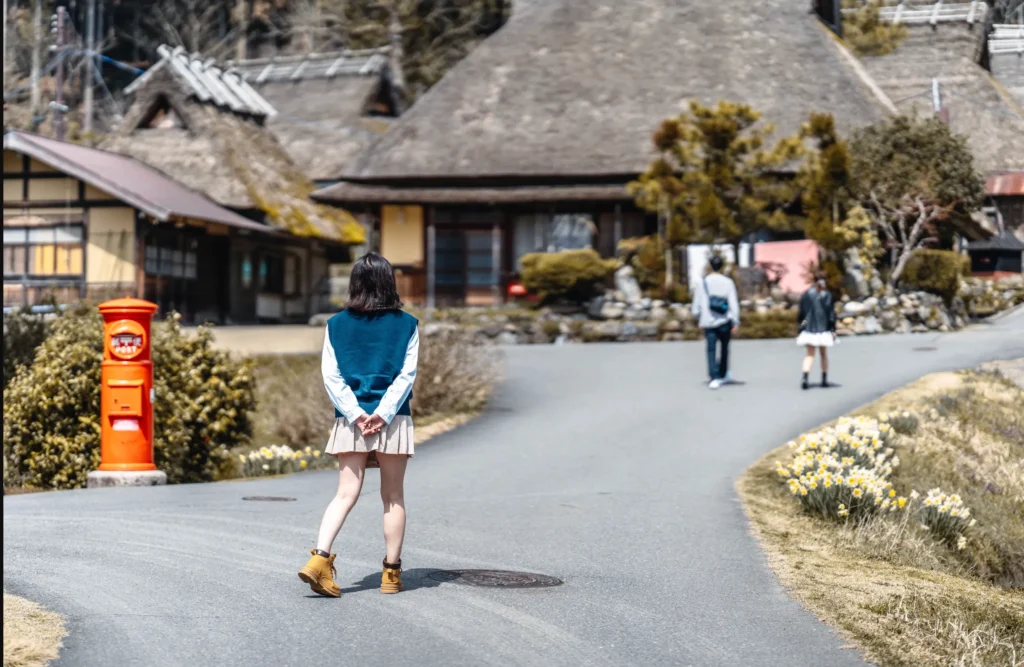
    personalized travel japan

    Japan offers countless attractions spread across different regions, making itinerary planning a challenge for many visitors. Major cities provide a mix of cultural landmarks, entertainment districts, shopping opportunities, and dining experiences, while regional destinations showcase local traditions, natural landscapes, and seasonal events. A private tour helps simplify the planning process by creating a customized itinerary based on individual interests and travel goals.

    Many travelers appreciate the convenience of having transportation routes, sightseeing schedules, and destination recommendations arranged in advance. This allows more time to focus on enjoying the journey rather than coordinating logistics. For visitors with limited travel time, personalized planning can also help maximize the overall experience.

    Private tours are particularly valuable for travelers who want flexibility. Rather than moving according to a fixed group schedule, visitors can modify plans, spend additional time at selected attractions, and explore destinations at a pace that feels comfortable. This creates a more relaxed and enjoyable travel experience.

    Another major advantage is access to local knowledge. Personalized travel experiences often include recommendations and insights that help visitors discover places and activities that may not appear in traditional travel itineraries. These local perspectives can provide a deeper appreciation of Japanese culture, history, and everyday life.

    Benefits of a Private Tour in Japan

    tour in tokyo

    One of the biggest advantages of a private tour is the ability to customize every aspect of the journey. Travelers can prioritize destinations, attractions, and experiences based on their personal interests rather than following a predetermined route. Whether focusing on cultural heritage, culinary experiences, seasonal attractions, or luxury travel, a customized itinerary allows for greater flexibility and control.

    Private tours also offer a more comfortable pace of travel. Visitors can avoid rushing between attractions and instead dedicate more time to locations that deserve deeper exploration. This flexibility often leads to a more meaningful travel experience and allows travelers to engage more fully with each destination.

    Comfort and convenience are additional factors that attract many travelers to personalized travel arrangements. Depending on the itinerary, visitors may benefit from customized transportation, carefully selected accommodations, and destination recommendations that align with their expectations. Travelers seeking a premium travel experience often combine their itinerary with stays at some of the finest 5 star hotels in sapporo and other luxury accommodations throughout Japan.

    As travel preferences continue to evolve, personalized experiences have become increasingly popular among visitors who value flexibility, comfort, and the ability to create journeys that reflect their individual interests. A private tour offers a practical way to experience Japan while enjoying greater freedom and a more tailored approach to travel.

    Popular Destinations for Private Travelers

    One of the greatest advantages of a private tour in Japan is the ability to customize an itinerary based on personal interests and travel preferences. Rather than following a standard route, travelers can focus on destinations that align with their goals, whether they are interested in culture, history, cuisine, shopping, nature, or seasonal attractions. Japan’s diverse regions make it possible to create a travel experience that feels both personalized and rewarding.

    Many customized itineraries combine major cities with regional destinations to provide a balanced perspective of the country. This approach allows visitors to experience both modern urban life and traditional cultural attractions while discovering the unique characteristics that make each region memorable.

    Tour in Tokyo

    Tokyo offers an endless variety of attractions for travelers seeking a dynamic urban experience. Visitors can explore historic temples, modern shopping districts, observation decks, museums, entertainment venues, and renowned dining destinations. The city’s ability to combine traditional culture with contemporary innovation makes it one of the most popular stops on any Japan itinerary.

    Read Also: Tour in Tokyo

    Tour in Kyoto

    Kyoto is often considered the cultural heart of Japan. The city is home to historic temples, traditional gardens, preserved districts, and architectural landmarks that showcase centuries of Japanese heritage. Travelers seeking a deeper understanding of the country’s traditions frequently include Kyoto as a key destination within their itinerary.

    Read Also: Tour in Kyoto

    Tour in Osaka

    Osaka provides a vibrant atmosphere known for its culinary culture, entertainment districts, and friendly local character. Visitors can enjoy local food specialties, cultural attractions, waterfront developments, and lively shopping areas. Its energetic environment offers a different experience from many other Japanese cities.

    Read Also: Tour in Osaka

    Tour in Hokkaido

    Hokkaido attracts travelers looking for natural beauty, seasonal landscapes, and outdoor experiences. From scenic countryside views and mountain regions to vibrant city attractions, the island offers opportunities to experience a different side of Japan. Seasonal activities throughout the year continue to make Hokkaido one of the country’s most appealing travel destinations.

    Read Also: Tour in Hokkaido

    Choosing the Right Travel Support

    Planning a customized journey often involves deciding how much travel support is needed throughout the trip. Some travelers prefer complete independence, while others benefit from professional guidance that helps simplify logistics and improve the overall travel experience. The ideal level of support depends on individual preferences, travel experience, and itinerary complexity.

    Professional travel services can assist with itinerary planning, transportation arrangements, attraction recommendations, and local insights. These services are particularly valuable for travelers seeking efficiency or those visiting Japan for the first time.

    Tour Guide in Japan

    A knowledgeable tour guide can enhance a travel experience by providing historical context, cultural insights, and practical recommendations. Local expertise often helps visitors discover attractions and experiences that may not be included in standard guidebooks, creating a deeper connection with the destinations they visit.

    Read Also: Tour Guide in Japan

    Japan Tour Packages

    Tour packages remain a popular option for travelers seeking convenience and structured travel planning. While package offerings vary considerably, many travelers prefer flexible arrangements that combine organized logistics with opportunities for independent exploration. This balance allows visitors to enjoy both convenience and personalization throughout their journey.

    Read Also: Japan Tour Packages

    Planning a Customized Japan Itinerary
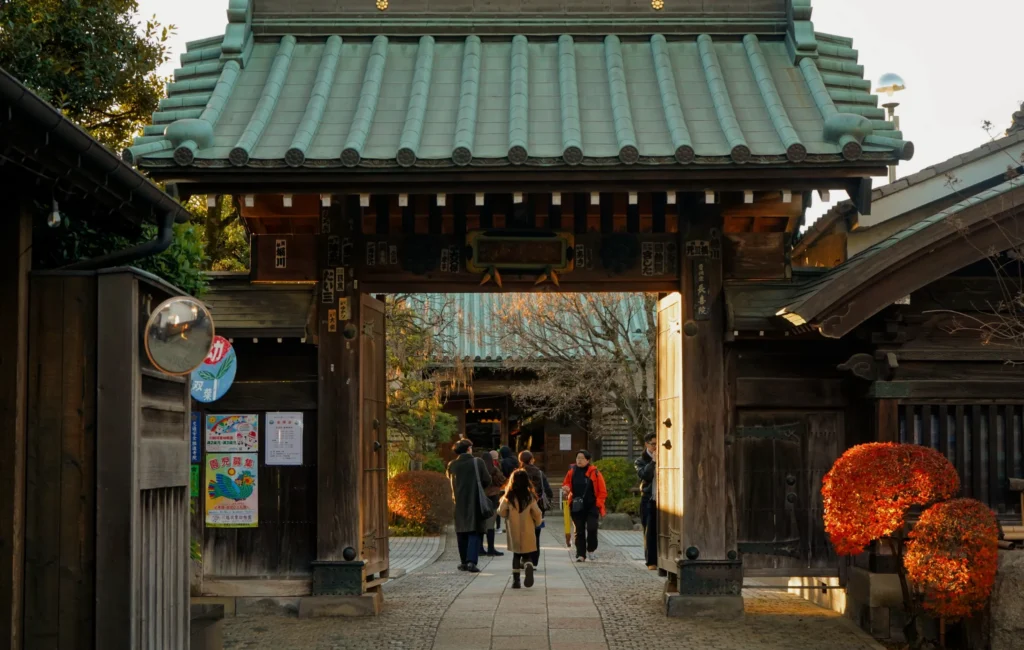
    tour guide japan

    One of the key advantages of choosing a private tour in Japan is the ability to build an itinerary that reflects individual travel preferences. Rather than following a predetermined schedule, travelers can focus on destinations, attractions, and activities that match their interests. This flexibility allows visitors to create a journey that feels more personal and rewarding.

    When planning a customized itinerary, it is important to consider factors such as travel duration, seasonal conditions, transportation options, and preferred experiences. Some travelers prioritize cultural landmarks and historic districts, while others focus on food experiences, shopping, outdoor activities, or regional exploration. Identifying these priorities early can help create a more balanced and enjoyable travel plan.

    Many visitors find that combining multiple destinations provides a broader perspective of Japan. Major cities offer access to world-class attractions and entertainment, while regional areas introduce travelers to local traditions, scenic landscapes, and unique cultural experiences. This combination often results in a more complete understanding of the country.

    Flexibility should also remain an important part of any itinerary. While careful planning can improve efficiency, leaving room for spontaneous exploration often leads to memorable discoveries. Local recommendations, seasonal events, and unexpected opportunities frequently become some of the most rewarding parts of a trip.

    Why Personalized Travel Continues to Grow in Popularity

    Modern travelers increasingly seek experiences that align with their individual interests rather than following standardized travel programs. As a result, personalized travel has become one of the fastest-growing segments of the tourism industry. Visitors are placing greater value on flexibility, convenience, and the ability to shape their own experiences.

    Japan is particularly well suited to this approach because of its diversity. Travelers can combine urban exploration, cultural experiences, seasonal attractions, culinary adventures, and natural landscapes within a single itinerary. A customized travel plan makes it easier to prioritize these experiences while maintaining a comfortable pace throughout the journey.

    Personalized travel also allows visitors to engage more deeply with destinations. Rather than simply moving from one attraction to another, travelers can spend additional time exploring areas that interest them most. This often leads to more meaningful interactions, stronger cultural connections, and a greater appreciation for local traditions and communities.

    As travel preferences continue to evolve, customized experiences are expected to remain an important option for visitors seeking a more flexible and enriching way to explore Japan.

    Conclusion

    A private tour in Japan provides travelers with the opportunity to experience the country through a personalized and flexible approach. By tailoring itineraries to individual interests, visitors can focus on the destinations, attractions, and experiences that matter most while enjoying greater convenience throughout their journey.

    Whether exploring major cities such as Tokyo, Kyoto, Osaka, and Hokkaido or seeking guidance through professional travel services and customized tour packages, travelers can create experiences that reflect their unique preferences and travel goals. This flexibility makes private travel an attractive option for a wide range of visitors.

    With its combination of cultural heritage, modern attractions, natural beauty, and regional diversity, Japan continues to offer countless opportunities for exploration. A well-planned private tour allows visitors to discover these experiences in a way that feels both comfortable and memorable, creating a journey that extends beyond traditional sightseeing.

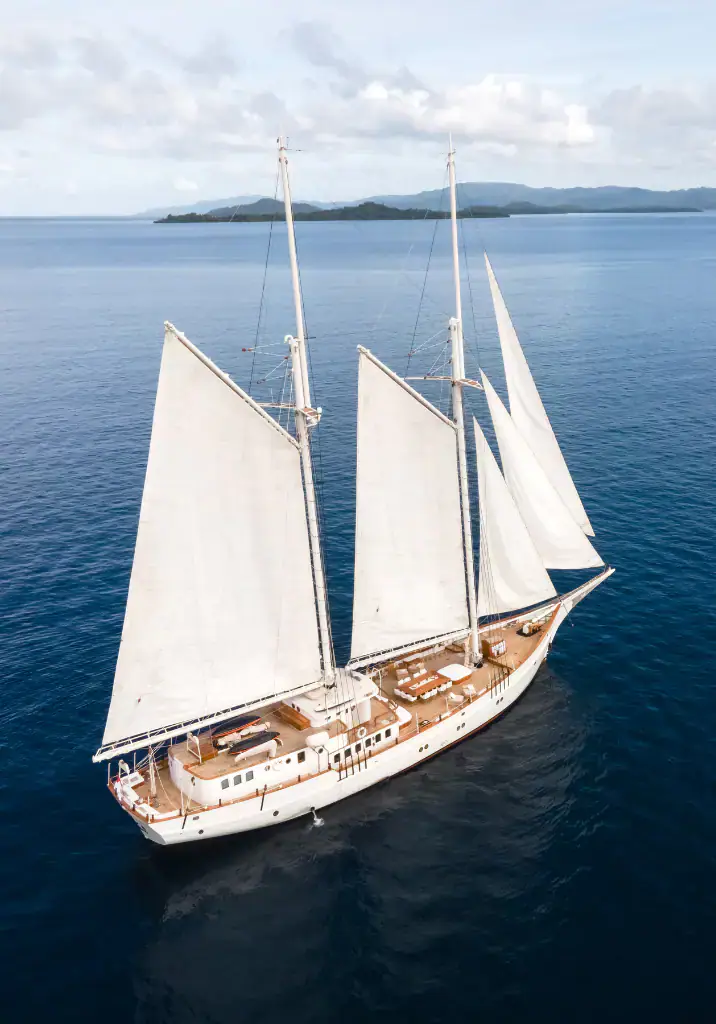
  • Seasons & Itineraries of the Indonesian Archipelago: How Aliikai Voyage Optimises Route Planning

    Seasons & Itineraries of the Indonesian Archipelago: How Aliikai Voyage Optimises Route Planning

    Sailing across Indonesia’s vast collection of islands requires deep local knowledge, and Aliikai Voyage has mastered the art of planning routes that align perfectly with seasonal conditions. With the archipelago spanning thousands of kilometres and featuring multiple microclimates, understanding when and where to sail is essential for travellers seeking the smoothest seas, most transparent waters, and most rewarding experiences. From Komodo to Raja Ampat and the Spice Islands, the timing of your journey shapes everything from marine life encounters to weather and visibility.

    Understanding Indonesia’s Sailing Seasons

    Indonesia sits along the equator, creating warm weather year-round, but two main seasons influence travel: the dry season (May–October) and the wet season (November–April). Each destination in the archipelago has its own microseason, and luxury yachts adjust their itineraries to take advantage of the best conditions.

    Yachts such as Prana by Atzaro, Lamima Yacht, Amandira, Celestia Yacht, and Mutiara Laut Yacht all follow this seasonal rhythm. Yet Aliikai Voyage distinguishes itself with a more flexible, experience-focused approach, designing routes that capitalise on calm seas, marine life, and cultural opportunities unique to each region.

    Also read Exclusive Access or Shared Heritage? Debating the Komodo Tour Vision for Komodo National Park

    Komodo National Park: Best from April to October

    The Komodo region shines during the dry season, offering calm waters, sunny skies, and exceptional visibility. This is the best time to enjoy the park’s highlights:

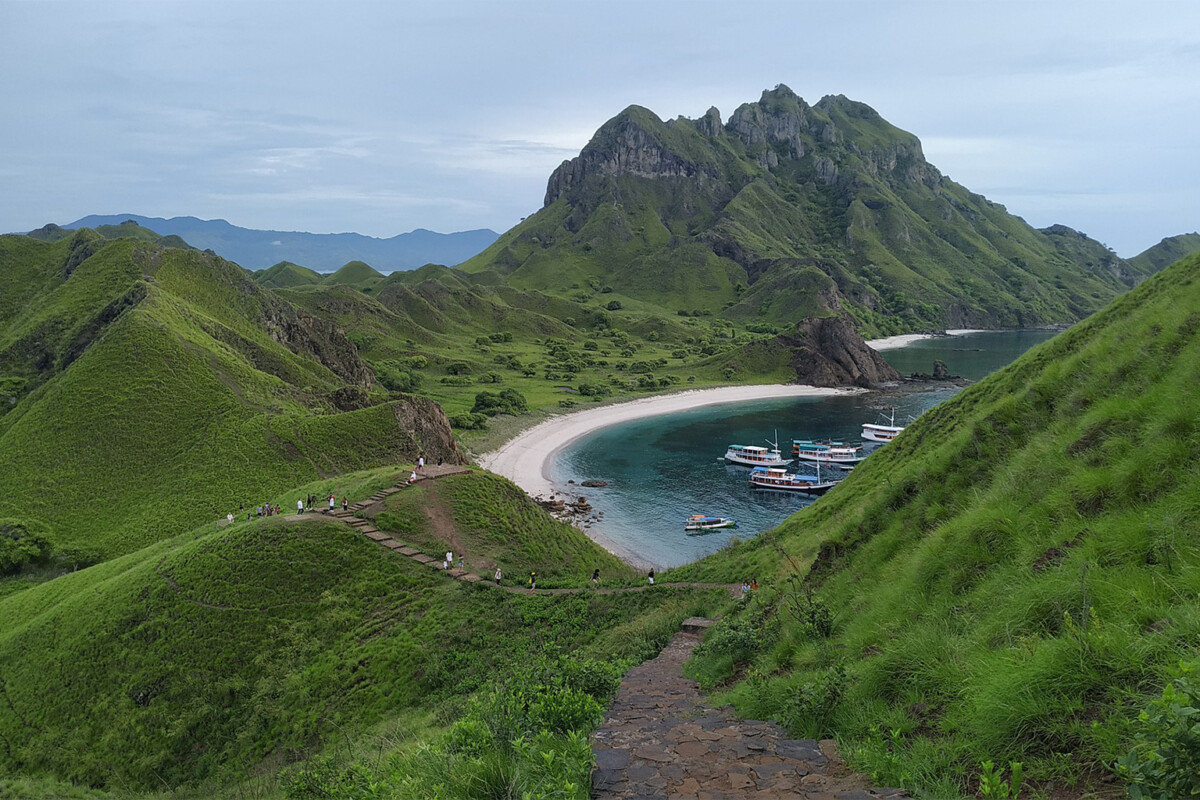
    • Hiking Padar Island
    • Meeting Komodo dragons on Rinca or Komodo Island
    • Snorkelling with manta rays
    • Visiting Pink Beach
    • Swimming in turquoise lagoons

    From April to June, the landscapes are still green from the rainy season, while August to October brings peak marine life activity, perfect for divers and snorkellers. This is also when Komodo boat charter bookings are highest, so early reservation is recommended.

    Aliikai Voyage often spends these months sailing through Komodo, ensuring guests enjoy ideal conditions with predictable winds and minimal rainfall. These routes are especially suitable for families, photographers, and wildlife enthusiasts.

    Raja Ampat: Prime Season from October to April

    Regarded as one of the world’s top marine destinations, Raja Ampat comes alive during the northern monsoon period when the seas are calm, and visibility is at its best. This window—October to April—is perfect for exploring the region’s legendary biodiversity:

    • Manta cleaning stations
    • Soft coral gardens
    • Pygmy seahorses
    • Dramatic limestone islands
    • Crystal-clear lagoons

    Smooth sea conditions during this season make sailing comfortable even for first-time travellers. The region is also a top choice for divers, underwater photographers, and honeymooners seeking dramatic landscapes.

    Bookings for a Raja Ampat yacht charter typically peak in December and January, so travellers should secure their dates well in advance.

    Aliikai Voyage spends this period in Raja Ampat, taking guests to both the famous Dampier Strait and the quieter northern or southern zones, depending on weather patterns.

    The Spice Islands: Best from September to November & March

    Rich in history, culture, and marine life, the Spice Islands offer a different kind of journey. Here, calm weather appears at two distinct times of year: September–November and March. These shoulder-season windows provide ideal sailing conditions, minimal winds, and vibrant coral reefs.

    Highlights of this route may include:

    • Banda Neira’s Dutch colonial heritage
    • Active volcanoes and black sand beaches
    • Hammerhead shark sightings (seasonal)
    • Iconic Banda Sea drop-offs
    • Nutmeg plantations and cultural tours

    The Spice Islands are perfect for experienced travellers seeking lesser-known destinations, history lovers, and divers interested in deeper sites.

    Aliikai Voyage selects Spice Island itineraries during these short seasonal windows, ensuring travellers experience the region at its smoothest.

    Why Seasonal Route Planning Matters

    Route optimisation isn’t just about the weather—it’s about curating experiences that align with nature’s rhythm. Wind direction, swell size, marine migration, and local festivals all shape how itineraries are designed. This approach ensures travellers enjoy more wildlife encounters, more transparent waters, safer sailing, and unforgettable island experiences.

    During each region’s prime season, Aliikai Voyage strategically positions itself to maximise comfort and adventure, offering personalised routes rather than fixed, rigid itineraries. This flexibility is what sets the yacht apart from others in the region.

    When Should You Book? Insider Timing Tips

    • Komodo (April–October): Book 6–12 months in advance—especially June–September.
    • Raja Ampat (October–April): Book 9–12 months ahead for holiday periods.
    • Spice Islands (Sept–Nov & March): Book 6–9 months in advance; limited windows mean cabins fill fast.

    Travelling during shoulder seasons can also be rewarding, with fewer boats and quieter anchorages while still enjoying good conditions.

    Conclusion

    From Komodo’s dry-season magic to Raja Ampat’s calm monsoon seas and the Spice Islands’ rare windows of perfection, seasonal route planning shapes every voyage. With its deep understanding of Indonesia’s climate and geography, Aliikai Voyage crafts itineraries that offer smooth sailing, breathtaking wildlife, and unforgettable experiences—no matter the season.

  • Is It Worth the Price? Breaking Down the Real Costs of a Luxury Yacht Charter in Indonesia

    Is It Worth the Price? Breaking Down the Real Costs of a Luxury Yacht Charter in Indonesia

    Chartering a luxury yacht in Indonesia is one of the most exclusive ways to explore the archipelago’s 17,000 islands—from the pink sands of Komodo to the turquoise lagoons of Raja Ampat. But beyond the allure of teak decks and sunset dinners, what does a private voyage actually cost? Understanding where your money goes—fuel, crew, catering, and port fees. It can help you choose wisely and appreciate the craftsmanship and service that make each trip remarkable.

    1. The Charter Rate: Where Luxury Begins

    Luxury yacht charters in Indonesia typically start from USD 5,000 to 15,000 per night, depending on the vessel, route, and season. Yachts like Magia 2, Majik, and Sanya sit in the premium range, offering world-class suites, Jacuzzis, and fine dining menus curated by private chefs. Others, such as Senja and Nataraja, blend contemporary comfort with Phinisi heritage design. Making them ideal for smaller groups or couples.

    These prices often include the essentials—accommodation, meals, soft drinks, snorkelling gear, and crew services—but exclude the add-ons that can quickly elevate your total cost.

    2. Fuel: The Hidden Engine of Your Journey

    Fuel is one of the largest variables in any charter. Most yachts cruise at 7–10 knots, and depending on the distance and itinerary, fuel can cost USD 500–2,000 per day. A weeklong Komodo or Raja Ampat route, for example, involves long stretches between dive sites and anchor points. Especially if you’re covering both north and south regions.

    Yachts like Tiger Blue and The Oracle are known for optimising routes efficiently to reduce unnecessary mileage without compromising on scenic highlights. Still, fuel costs are a necessary part of the experience. Powering not just the engines, but also generators for air conditioning, lighting, and onboard water systems.

    Also read How Amandira Yacht Charter Brings Aman’s Signature Tranquility to the High Seas

    3. The Crew: Expertise That Defines Every Voyage

    The heart of any charter lies in its crew. A well-trained team ensures safety, service, and smooth sailing. Most luxury yachts employ 10–14 crew members, including a captain, engineers, deckhands, chefs, and dive guides. Wages, training, and insurance make up a significant portion of operating costs.

    Vessels like Alexa, Anne Bony, and Dewata are celebrated for their outstanding hospitality standards, often led by crews who’ve trained internationally. The Yacht Club Indonesia plays a key role in upholding these standards. Ensuring that luxury charters operate in accordance with certified maritime safety and ethical guidelines. Paying for this level of professionalism translates to peace of mind and elevated experiences on the water.

    4. Catering: Fine Dining at Sea

    Culinary experiences on Indonesian yachts go far beyond buffet meals. Most charters employ private chefs who source local ingredients and tailor menus to guest preferences. Whether it’s freshly caught lobster grilled on deck or vegan tasting platters inspired by regional flavours.

    Expect catering to represent 10–15% of your total charter cost, depending on requests for premium wines, imported meats, or special dietary accommodations. Samara I and Samara II, for instance, are known for fusing Mediterranean and Indonesian cuisine. At the same time, Majik often hosts themed dinners under the stars—complete with white linens, candles, and soft sea breezes.

    5. Port Fees, National Park Permits, and Taxes

    Indonesia’s marine zones are protected, and sailing responsibly means accounting for permits and park fees. Entry to Komodo National Park, for example, includes daily visitor and diving charges, typically around USD 150–200 per person for multi-day stays. Port fees, anchorage, and customs paperwork are usually handled by the yacht’s operator but billed separately.

    Luxury yachts like Nataraja and Senja prioritise transparency by itemising these costs upfront. Helping guests understand where every dollar goes while supporting conservation efforts in sensitive marine areas.

    6. So, Is It Worth the Price?

    When you factor in craftsmanship, comfort, and crew expertise, the price of a luxury yacht charter in Indonesia begins to make sense. You’re not just paying for transportation—you’re investing in a floating five-star resort that moves with you. Offering sunrise dives, private beach barbecues, and tailor-made itineraries, few travellers ever experience.

    From The Oracle’s sophisticated interiors to Tiger Blue’s classic Phinisi charm, each yacht tells a story of Indonesian maritime heritage and modern hospitality. And with organisations like the Yacht Club Indonesia maintaining high operational standards. Guests can trust that safety, sustainability, and service are at the core of every voyage.

    Ultimately, yes—it’s worth the price. Because aboard a luxury yacht in Indonesia, you’re not merely chartering a vessel; you’re unlocking the rare privilege of seeing the world’s most enchanting islands from the front row of the sea.

  • Exclusive Access or Shared Heritage? Debating the Komodo Tour Vision for Komodo National Park

    Exclusive Access or Shared Heritage? Debating the Komodo Tour Vision for Komodo National Park

    When planning a Komodo tour, travelers often imagine untouched islands, dramatic landscapes, and rare encounters with the legendary Komodo dragon. Yet behind this idyllic image lies a growing debate: should parts of Komodo and Padar Islands become exclusive destinations reserved for premium tourism, or should they remain open and accessible to all? This question strikes at the heart of how we define heritage, who owns it, and how it should be experienced.

    The Rise of Exclusive Tourism in Komodo

    In recent years, government initiatives and private investors have introduced a “super-premium” concept for Komodo National Park. The idea is to limit visitor numbers in certain zones, increase entry fees, and develop high-end facilities designed for affluent travellers. Advocates argue that this model ensures conservation by reducing the pressure of mass tourism on fragile ecosystems.

    Supporters also claim that exclusivity attracts a different class of visitors, those willing to spend more per trip. Theoretically channeling higher revenue into conservation and local development. In theory, this would position the Komodo tour as a luxury brand comparable to the Galápagos or safari destinations in Africa.

    The Case for Shared Heritage

    On the other side of the debate are those who see Komodo National Park as a world heritage site belonging to everyone, not just the wealthy. Restricting access through expensive fees or gated developments risks alienating the very people. Local communities and average travelers—who have long celebrated Komodo’s natural wonders.

    For many Indonesians, Komodo represents national pride, and making it exclusive could feel like privatizing a treasure that belongs to all citizens. From a global perspective, UNESCO’s World Heritage framework emphasizes that sites of “outstanding universal value” should be preserved for collective enjoyment, not commodified for a narrow audience.

    Economic and Social Dimensions

    The exclusive-access model also raises questions about who really benefits. High-end resorts and luxury marinas can generate significant profits. Still, if ownership rests with external investors, local communities may see little trickle-down effect. Fishermen, homestay owners, and small tour operators in Labuan Bajo rely on an inclusive flow of visitors to sustain their livelihoods.

    If access is restricted, these groups may be overlooked in favour of large-scale businesses. This creates not only economic disparity but also a cultural imbalance. Where locals become employees in their own heritage landscape rather than active custodians and beneficiaries.

    Conservation vs Commodification

    Proponents of exclusivity highlight conservation as their primary justification: fewer visitors mean less waste, less reef damage, and reduced strain on ecosystems. While this is a valid concern, critics argue that conservation should not be synonymous with commercialization.

    Conservation can be achieved through stricter visitor guidelines, carrying capacity limits, and sustainable practices without making Komodo prohibitively expensive. For example, implementing timed entry tickets, mandatory guides, and eco-certification for boats can reduce impact while keeping the Komodo tour inclusive.

    Philosophical Perspectives on Heritage Ownership

    At its core, this debate touches on a philosophical question: who owns heritage? Suppose natural wonders like Komodo dragons are the product of millions of years of evolution. Do governments and investors have the right to restrict access based on wealth? Or should they be seen as a shared human inheritance, managed responsibly but inclusively?

    This dilemma is not unique to Komodo. Similar debates arise at Machu Picchu, the Great Barrier Reef, and national parks worldwide. The balance between preservation and accessibility requires careful thought, transparency, and community involvement.

    Toward a Middle Ground

    A possible compromise lies in a hybrid model. Certain fragile areas could adopt stricter regulations with higher fees to limit impact. At the same time, other zones remain accessible at affordable rates. This ensures that conservation goals are met without excluding those who are unable to afford luxury prices.

    Furthermore, involving local communities in decision-making ensures that policies reflect the needs of those who live closest to Komodo. When locals become stakeholders through co-managed tourism, training, and business opportunities, they have more substantial incentives to protect their heritage.

    The Komodo tour is more than a holiday; it represents the intersection of nature, culture, and global heritage. Whether Komodo becomes an exclusive playground for the wealthy or remains a shared treasure depends on the choices policymakers, businesses, and travelers make today.

    Exclusivity may generate prestige, but shared heritage fosters a sense of belonging. The future of Komodo National Park should not be defined solely by economic gain but by its ability to inspire and unite people across cultures and generations.

  • How Amandira Yacht Charter Brings Aman’s Signature Tranquility to the High Seas

    How Amandira Yacht Charter Brings Aman’s Signature Tranquility to the High Seas

    When it comes to luxury travel, few names are as synonymous with peace and balance as Aman. Known for its serene resorts and holistic wellness experiences, Aman has redefined how guests connect with themselves and their surroundings. Now, that same spirit has been translated onto the open ocean with the Amandira Yacht Charter. Offering a blend of adventure and tranquility, Amandira provides massages in the privacy of your cabin, yoga sessions on pristine beaches, spa-inspired dining, and a mindful sailing lifestyle all against the breathtaking backdrop of Indonesia’s most captivating waters.

    Amandira Yacht Charter: A Floating Aman Retreat

    Amandira is not just a yacht; it is a sanctuary at sea. Crafted in the style of a traditional Indonesian Phinisi, this vessel embodies elegance, craftsmanship, and modern comfort. Designed to host a small number of guests, it ensures privacy and exclusivity, making it ideal for families, couples, or groups of friends seeking a personal retreat.

    The yacht’s design reflects Aman’s signature aesthetic: understated luxury, natural materials, and spaces that encourage relaxation. Whether you are unwinding in your cabin, dining al fresco, or lounging on the deck, every detail of the Amandira experience is crafted to promote stillness and peace.

    Massages in the Privacy of Your Cabin

    One of the highlights of the Amandira Yacht Charter is the ability to enjoy spa treatments in complete seclusion. Skilled therapists deliver personalized massages directly in your cabin, using natural oils and techniques inspired by Aman’s wellness philosophy.

    The gentle rocking of the yacht, the sound of the sea outside your window, and the expert touch of the therapist create a unique atmosphere that is both grounding and deeply rejuvenating. Unlike traditional spas, this experience is entirely private and seamlessly integrated into your sailing journey.

    Also read The Cost of a View: Is TNK’s Rp 2 Million Drone Fee Justified with Komodo Yacht Charter?

    Yoga on the Beach: Reconnecting with Nature

    Wellness with Amandira extends far beyond the yacht itself. Guests are invited to practice yoga on some of Indonesia’s most beautiful, often untouched stretches of sand, where the only sounds are the waves and the wind.

    Guided by experienced instructors, these sessions combine mindful movement with the natural beauty of your surroundings. Sunrise yoga energizes the body for a day of exploration, while sunset sessions bring calm and reflection. Practising in such pristine settings deepens the connection between the body, mind, and nature, aligning perfectly with Aman’s holistic wellness philosophy.

    Spa-Inspired Dining at Sea

    Wellness onboard the Amandira Yacht Charter also extends to dining. Meals are carefully prepared with a focus on balance, flavour, and nutritional value. Fresh local ingredients, often sourced from nearby islands, are transformed into dishes that nourish the body and delight the palate.

    Guests can expect menus that reflect Aman’s spa-inspired approach: light yet satisfying, with options tailored to individual preferences or dietary needs. Whether enjoyed in the elegant dining area or under the stars on deck, every meal becomes part of the overall wellness journey.

    A Mindful Sailing Lifestyle

    Beyond specific treatments or activities, Amandira fosters a broader sense of mindfulness throughout the journey. Life onboard moves at a slower pace, guided by the rhythms of the sea and the natural environment.

    Guests are encouraged to unplug, leaving behind the constant pull of digital distractions. Instead, time is filled with simple pleasures: reading a book on the deck, snorkeling in coral gardens, sharing stories over dinner, or meditating as the sun sets. This mindful approach to sailing reflects Aman’s philosophy of living fully in the present moment.

    Exploring Indonesia’s Serene Waters

    The setting is as important as the onboard experience. Amandira sails through some of Indonesia’s most remarkable destinations, including Komodo National Park, Raja Ampat, and the Banda Sea. These areas are renowned not only for their natural beauty but also for their tranquility.

    Crystal-clear waters, remote islands, and vibrant marine life create a backdrop that enhances every wellness experience. Each stop offers opportunities to explore, but always at a pace that maintains the yacht’s atmosphere of calm and balance.

    Aman’s Tranquility on the High Seas

    The Amandira Yacht Charter is more than a luxury voyage; it is a moving Aman sanctuary. By blending massages in private cabins, yoga on secluded beaches, spa-inspired dining, and a mindful sailing lifestyle, Amandira redefines what it means to experience wellness onboard.

    For travelers seeking both adventure and serenity, Amandira offers the best of both worlds: the freedom of the ocean paired with Aman’s signature tranquility. It is a journey that nurtures body, mind, and spirit long after the sails have been lowered.

  • Spooky Destinations for Thrill-Seekers: Unforgettable Haunted Adventures

    Spooky Destinations for Thrill-Seekers: Unforgettable Haunted Adventures

    For those craving a spine-chilling escape, spooky destinations offer a thrilling blend of history, mystery, and ghostly lore. From ancient castles to eerie city tours, these haunted hotspots promise unforgettable adventures for thrill-seekers. Whether you’re drawn to paranormal tales or historical intrigue, this guide explores top spooky destinations like Transylvania’s Bran Castle, New Orleans’ haunted tours, and Scotland’s haunted castles, complete with ghost stories and tour recommendations to fuel your next eerie getaway.

    Transylvania’s Bran Castle: Dracula’s Haunting Legacy

    Nestled in Romania’s misty Carpathian Mountains, Bran Castle is a must-visit for fans of spooky destinations. Often linked to Vlad the Impaler, the inspiration for Bram Stoker’s Dracula, this 14th-century fortress exudes Gothic charm. Legends whisper of restless spirits roaming its stone corridors, with tales of Vlad’s brutal reign adding to the eerie atmosphere. Visitors report cold spots and unexplained shadows, especially in the castle’s shadowy towers.

    Guided Tour Recommendation: Opt for the After-Hours Tour, which delves into the castle’s vampire myths and medieval history. Available through local operators like Transylvania Live, these tours run nightly and cost around €40. Book in advance for smaller groups and a more immersive experience. Combine your visit with a trip to nearby Poenari Castle, Vlad’s real stronghold, for a deeper dive into the Dracula legend.

    New Orleans’ Haunted Tours: Spirits of the French Quarter

    New Orleans, Louisiana, is a haven for spooky destinations, with its voodoo history and ghostly tales. The French Quarter’s cobblestone streets teem with stories of spectral residents, from the infamous LaLaurie Mansion, where tortured souls are said to linger, to the haunted St. Louis Cemetery No. 1, resting place of voodoo queen Marie Laveau. Nightly ghost tours blend historical facts with chilling anecdotes, making this a top spot for paranormal enthusiasts.

    Guided Tour Recommendation: Haunted History Tours offers a 2-hour French Quarter Ghost Tour for $30, covering haunted sites and voodoo lore. For a unique twist, try their Vampire Tour, which explores the city’s darker myths. Tours depart nightly at 8 PM from the French Quarter; book online for discounts. Pro tip: Wear comfortable shoes and bring a camera for potential ghostly captures.

    Scotland’s Haunted Castles: Glamis and Edinburgh

    Scotland’s rugged landscapes are home to some of the world’s most haunted castles, perfect for thrill-seekers seeking spooky destinations. Glamis Castle, in Angus, is famed for its ghostly inhabitants, including the Grey Lady and a mysterious “Monster of Glamis,” rumored to be a hidden family member. Its 15th-century halls echo with tales of betrayal and tragedy. Meanwhile, Edinburgh Castle, perched atop a volcanic rock, is notorious for phantom pipers and spectral prisoners from its days as a fortress.

    Guided Tour Recommendation: For Glamis, book the Glamis Castle Ghost Tour, available seasonally for £20, which includes access to restricted areas and chilling stories from expert guides. In Edinburgh, Mercat Tours’ Ghosts and Ghouls Tour (£25) explores the castle and its underground vaults, known for paranormal activity. Both tours are best booked online, especially during peak seasons like October. Arrive early to soak in the eerie ambiance.

    Why Spooky Destinations Captivate Thrill-Seekers

    Spooky destinations like Bran Castle, New Orleans, and Scotland’s haunted castles offer more than just chills. They provide a window into history and culture. Ghost stories often stem from real events, like Vlad’s brutal campaigns or New Orleans’ complex past, making these sites both thrilling and educational. Guided tours enhance the experience by weaving historical context with paranormal tales, ensuring visitors leave with both goosebumps and knowledge.

    Tips for Visiting Spooky Destinations

    To make the most of your haunted adventure, plan. Book tours early, especially for popular spooky destinations like New Orleans, where group sizes are often limited. Research the historical context of each site to deepen your appreciation; knowing the real stories behind the ghosts adds to the thrill. Dress for the weather, as many tours involve outdoor walking, and consider nighttime visits for maximum atmosphere. Finally, keep an open mind; whether you believe in ghosts or not, the stories and settings are sure to captivate.

    Plan Your Spooky Adventure Today

    From Transylvania’s Dracula-inspired Bran Castle to the haunted streets of New Orleans and Scotland’s storied castles, these spooky destinations promise thrills for every adventurer. Whether you’re chasing ghost stories or diving into history, guided tours offer the perfect way to explore. Pack your courage, book your tours, and embark on a haunting journey that blends the eerie with the unforgettable.

  • The Cost of a View: Is TNK’s Rp 2 Million Drone Fee Justified with Komodo Yacht Charter?

    The Cost of a View: Is TNK’s Rp 2 Million Drone Fee Justified with Komodo Yacht Charter?

    The Komodo National Park (TNK), a UNESCO World Heritage Site, is renowned for its breathtaking landscapes and unique biodiversity, including the iconic Komodo dragon. For travelers embarking on a Komodo Yacht Charter, capturing aerial footage with drones is tempting, but the Rp 2 million drone permit fee has sparked debate, especially after travel blogger Harival Zayuka was denied use despiteસ

    System: Despite paying the fee due to a lack of a SiMaksi permit, with no refund offered. This article debates the fairness of TNK’s drone fee, its role in conservation, and how it compares to drone policies in other global national parks, while considering the implications for Komodo Yacht Charter enthusiasts.

    The Harival Zayuka Incident: A Case Study

    Harival Zayuka’s viral Instagram post highlighted a frustrating experience: despite paying Rp 2 million (approximately USD 122) for a drone permit, he was barred from flying over Pulau Padar due to an unobtained SiMaksi permit, a separate requirement for entry into a conservation area. The non-refunded fee left him disappointed, missing a sunset shot. This incident highlights the complexity of TNK’s regulations, which require both a drone operation fee and a SiMaksi permit, both of which must be processed through separate platforms. The lack of integration between the SiOra app for ticket purchases and the SiMaksi application process has led to confusion, as Zayuka’s case illustrates, raising questions about the fairness of the fee.

    Conservation Contributions of the Drone Fee

    The Rp 2 million drone fee, as outlined by the Komodo National Park authority, supports conservation efforts critical to protecting TNK’s delicate ecosystem, home to 1,300 Komodo dragons and diverse marine life. Drones can disturb wildlife, particularly on islands like Kalong and Rinca, where their use is banned to prevent stress to bats and dragons. The fee funds park management, ranger patrols covering 22,370 km annually, and anti-poaching technology like SMART systems and cameras. According to the Komodo Survival Program, these efforts combat illegal fishing and poaching, preserving the park’s 253 coral species and 1,000 fish species. The fee’s contribution to these initiatives suggests it’s more than a revenue grab. Still, its high cost and administrative hurdles demand scrutiny.

    Global National Park Drone Policies

    Comparing TNK’s drone policy to other global national parks provides context. In Australia’s Great Barrier Reef Marine Park, drone permits cost approximately AUD 500 (USD 340) per year, with strict no-fly zones in place over sensitive areas. Yellowstone National Park in the United States bans drones outright to protect wildlife and the visitor experience, with fines of up to $5,000 for violations. Tanzania’s Serengeti National Park requires permits, which cost $50-$100 and are processed through local authorities, with restrictions in place near animal habitats. TNK’s Rp 2 million daily fee is notably higher than most. However, its separate SiMaksi requirement aligns with global practices that emphasise environmental protection. Unlike Yellowstone’s outright ban, TNK allows regulated drone use; however, the cost and process complexity exceed those of many parks.

    Is the Fee Fair for Travelers?

    For travelers on a Komodo Yacht Charter, the Rp 2 million fee can feel steep, especially when unexpected permit issues, like Zayuka’s, prevent usage without refunds. The daily rate of the fees—potentially Rp 6 million for a three-day trip—can rival accommodation costs in Labuan Bajo, making it a significant expense for drone enthusiasts. Critics argue the fee disproportionately affects individual travelers compared to commercial operators, who may absorb costs into packages. However, the fees’ conservation benefits, such as funding patrols and habitat preservation, justify their existence for many. The planned integration of SiMaksi and drone ticket processes on the SiOra platform promises to streamline future experiences, potentially alleviating frustrations.

    Balancing Cost and Conservation

    The high cost of TNK’s drone fee reflects the park’s commitment to conservation and environmental protection. Still, its fairness hinges on transparency and accessibility. Compared to other global parks, TNK’s fee is on the higher end. Yet, its unique biodiversity and UNESCO status warrant stringent measures. For Komodo Yacht Charter travelers, ensuring compliance with both SiMaksi and drone fee requirements is crucial to avoid a similar fate to Zayuka’s. As TNK refines its systems, more transparent communication and integrated processes could make the Rp 2 million fee feel more justified, balancing the cost of a stunning aerial view with the preservation of this natural wonder.

  • Time Traveler’s Bucket List: Visiting Places That Feel Frozen in History

    Time Traveler’s Bucket List: Visiting Places That Feel Frozen in History

    Have you ever dreamed of stepping into the past, immersing yourself in eras long gone, and experiencing history as if it were alive? While time travel remains a fantasy, specific destinations offer an uncanny ability to transport you through time. These places, preserved with remarkable care or simply untouched by modernity, feel as though they’ve been frozen in history. Here’s a time traveler’s bucket list for every travel enthusiast.

    Machu Picchu, Peru

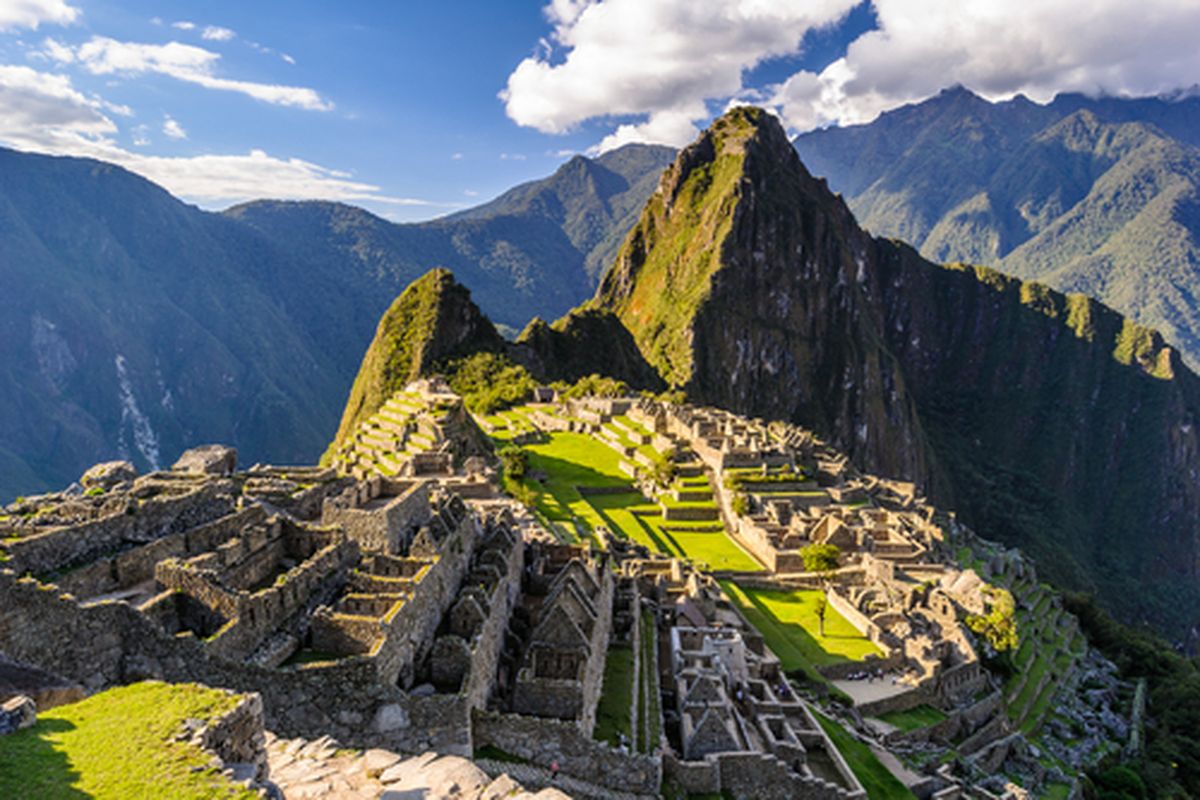
    Perched high in the Andes Mountains, Machu Picchu is a remarkable testament to the excellent craftsmanship of the Inca civilization. This ancient site was built in the 15th century and soon after was left behind, remaining out of sight for many years. It wasn’t until 1911 that the world rediscovered this remarkable place. Walking among the terraced slopes, stone temples, and breathtaking vistas, you can almost hear the whispers of Inca life.

    Rothenburg ob der Tauber, Germany

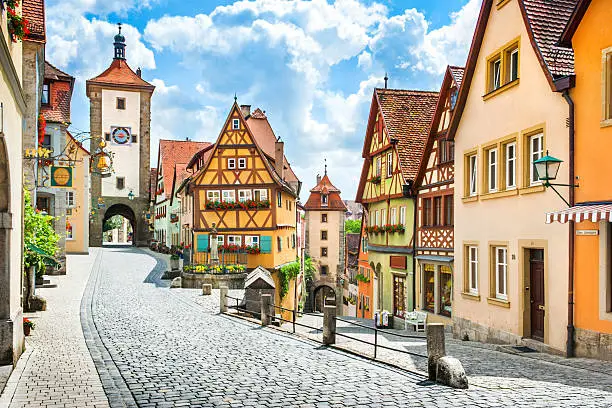
    This Bavarian town is a living storybook. With its cobblestone streets, half-timbered houses, and medieval walls, Rothenburg ob der Tauber feels as if it has been untouched since the Middle Ages. The town’s preservation is so authentic that it has been used as a setting for films like Harry Potter and Pinocchio.

    Petra, Jordan

    Petra, often called the “Rose City” because of its beautiful pink stone buildings, was a bustling trade center for the Nabateans long ago. Carved directly into rock cliffs, its elaborate facades, like the iconic Treasury, date back to the 1st century AD. Wandering through its narrow siq (gorge) entrance feels like entering a hidden world from antiquity.

    Kyoto, Japan

    While Japan’s urban areas buzz with modernity, Kyoto preserves the nation’s traditional essence. Kyoto offers a window into Japan’s feudal past, from its ancient temples like Kinkaku-ji (Golden Pavilion) to the historic Gion district with its wooden machiya houses and geisha culture.

    Read more Tips For Backpackers In Indonesia 2024

    Hampi, India

    Hampi was once the capital of a powerful kingdom called the Vijayanagara Empire. Today, it is identified as a UNESCO World Heritage Site, and visiting it feels like stepping into another world. Its vast ruins, featuring intricate temples, stone chariots, and bustling markets, capture the grandeur of 14th-century South India. Hampi feels like stepping into an ancient epic with its rocky terrain and surreal landscapes.

    Colonial Williamsburg, USA

    This living history museum in Virginia brings 18th-century colonial America to life. Costumed interpreters, functioning blacksmith shops, and meticulously restored buildings make visitors feel like they’ve entered the Revolutionary War era.

    Pompeii, Italy

    Frozen in tragedy, Pompeii offers an unparalleled glimpse into Roman life in 79 AD, just before Mount Vesuvius erupted. Walking through its preserved streets, villas, and amphitheatres, you can almost imagine the bustling city it once was.

    Easter Island, Chile

    The mysterious moai statues of Rapa Nui (Easter Island) are silent sentinels of an ancient Polynesian culture. These colossal figures, crafted between the 13th and 16th centuries, exude an enigmatic presence that makes the island feel timeless.

    Visiting these places is like opening a portal to the past, offering an extraordinary connection to the lives, cultures, and histories of those who came before us. Whether Petra’s architectural grandeur or the quaint charm of Rothenburg ob der Tauber, these destinations remind us that history isn’t just something we read about—it’s something we can still experience. Pack your bags and embark on today’s ultimate time traveler’s bucket list adventure!

  • Ring in the New Year: Bali Beachfront Resort Parties You Can’t Miss

    Ring in the New Year: Bali Beachfront Resort Parties You Can’t Miss

    As the New Year approaches, Bali transforms into a vibrant celebration hub. Offering unforgettable beachfront parties that cater to every style and preference. Picture yourself dancing under a starlit sky, with soft sand under your feet, surrounded by the lively sounds of music and bright fireworks. Whether travelling alone, with friends or with someone special. The beachfront resort in Bali is the perfect place to say goodbye to the old year and greet the new one memorably.

    Fireworks Extravaganza by the Beach

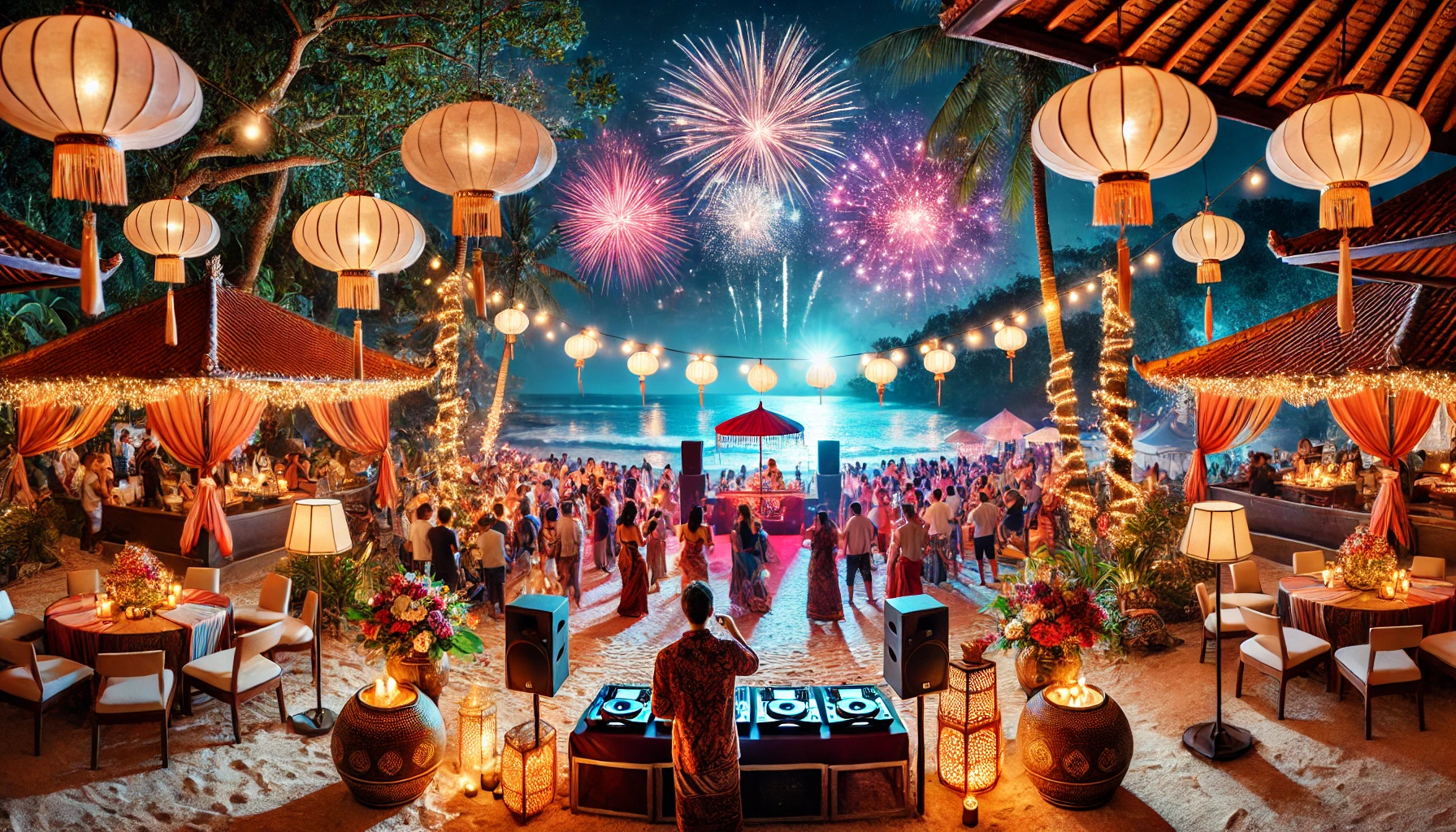
    Nothing screams New Year’s Eve like a dazzling fireworks display lighting the tropical night sky. Many Bali beachfront resorts pull out all the stops, organizing spectacular fireworks shows that can be enjoyed from private beach areas. When the clock hits midnight, the sky bursts into a beautiful display of colors, reflected perfectly in the calm ocean waves. Combine this with a celebratory toast, and you’ll have the perfect start to the year.

    Some resorts host bonfire gatherings to enhance the experience, creating an intimate and cosy atmosphere for guests. Gathering around a warm bonfire and watching the fireworks light up the sky is an experience you’ll cherish for a long time.

    Also, read The Best Resort in Bali: Impact of Potential Hotel Moratorium on Investments.

    Groove to the Beats with Live DJs

    If you want to dance the night away, Bali’s beachfront parties are legendary for their world-class DJ lineups. Resorts in Bali often feature live music and DJ performances spanning genres from house and techno to pop and reggae. With state-of-the-art sound systems and dynamic lighting setups, these events create a festival-like vibe right by the ocean.

    Many of these parties offer exclusive packages, including access to premium lounges, gourmet food, and signature cocktails. Whether you’re swaying to the beat with your toes in the sand or soaking up the party energy from a cabana, the night promises unforgettable moments.

    Embrace Bali’s Rich Culture

    For a unique twist on New Year’s celebrations, some beachfront resort in Bali incorporate traditional Balinese performances and rituals into their festivities. Guests can enjoy mesmerizing Kecak dances, live gamelan music, and even blessing ceremonies to start the new year with positive energy and cultural appreciation. Bali’s unique blend of modern celebration and traditional artistry makes it a standout New Year’s destination.

    Don’t miss the chance to indulge in locally inspired cuisine at these events. Many resorts feature buffets or set menus showcasing Balinese and international dishes, ensuring your New Year’s Eve feast is as memorable as the festivities.

    Family-Friendly New Year’s Celebrations

    For families, some of the best resorts in Bali organize kid-friendly New Year’s Eve activities alongside their main events. Think beach games, treasure hunts, and even mock countdowns for younger guests. Families can unwind and enjoy the celebrations, secure in knowing that their kids are having just as much fun. Dedicated childcare services and supervised activities mean everyone gets to celebrate in their way.

    Wake Up to a New Year’s Sunrise

    Waking up to a breathtaking sunrise is the perfect way to start the year after the New Year’s Eve party. Bali’s eastern beaches are renowned for their stunning dawn views, and many beachfront resorts offer early-morning yoga sessions or guided beach walks to help you greet the day with a sense of renewal. Afterwards, enjoy a lavish breakfast with tropical fruits, freshly baked pastries, and hearty local delicacies.

  • Things To Avoid When Checking A Bag

    Things To Avoid When Checking A Bag

    Traveling requires you to be prepared with what you are going to bring. You must pack all the items you need in your bag securely. It is standard for travelers to lose their bags or have them damaged. It is one of the most common things travelers fear of. It’s worse if you put your valuables inside your checking bag and have them damaged. Avoid the usual mistakes and guarantee your belongings reach their destination in one piece.

    Avoid packing valuables in your checked bag.

    Don’t pack anything you cannot permanently part with or have a high monetary value in your checked bag. Use this as a general rule of thumb when packing for a trip. Remove valuable items such as laptops, prescription medications, smartphones, and passports if you need to check the bag at the gate. Put the pricey souvenirs you got from the trip in your carry-on. Or, have them well packaged and shipped home. 

    Avoid using unmarked bags.

    It’s standard for travelers to grab the wrong bag at baggage claim. It might be a pure accident, but it can cause a lot of hassle. Thus, mark your luggage using unique tags. You can also choose a vibrant-colored bag or one with a unique patterned exterior that makes it stand out.

    Also, read Family Fun in Indonesia: Activities to Keep Everyone Smiling (As Told by a Travel Blogger)

    Avoid packing items on TSA’s prohibited list.

    Know what items are prohibited in checked baggage. For example, pack batteries usually used in cameras in your carry-on. Double-check items on the TSA’s restricted list to avoid packing dangerous items. 

    Avoid non-TSA-approved lock

    Lock your checking bag to ensure its safety. However, you must use only a TSA-approved lock. Sometimes, your bag needs to be physically inspected. If you use a non-TSA-approved lock, the staff will rip it off your bag. If you use the TSA-approved one, they will use a master key to open the lock properly. 

    Avoid booking a tight connection.

    A short layover will increase the chance your bag won’t make it to your final destination with you. It’s safer to book longer layovers, so you don’t have to wonder whether your bag will make it. Longer layovers, especially for international flights, allow you enough time to reclaim and recheck your bag before going into your next flight.