Author: Miguel Hayes

  • Flexible Workspaces and Office Fitout Ideas for Hybrid Teams in Sydney

    Flexible Workspaces and Office Fitout Ideas for Hybrid Teams in Sydney

    The way we work has fundamentally changed, and Sydney businesses are feeling it firsthand. Hybrid work is no longer a temporary fix; it has become the standard operating model for companies of all sizes, from CBD law firms to creative agencies in Surry Hills. If your office still looks the way it did in 2019, it is time for a rethink. As someone who has written extensively about workplace design and spoken with fitout specialists across the country, I can tell you that the offices thriving today are the ones built with flexibility at their core. A well-planned commercial fit out in Sydney is no longer a luxury, it is a strategic investment that directly affects how your team collaborates, focuses, and feels about coming into the office. This piece walks through the most effective workspace ideas and fitout strategies for hybrid teams in Sydney, with practical insights you can actually use.

    Understanding What Hybrid Teams Actually Need

    Before you start moving walls or ordering furniture, it pays to understand what your team actually needs from the office. Hybrid employees do not come in every day, which means the office has to earn its place. When people choose to make the commute, they are looking for something they cannot get at home: face-to-face collaboration, high-quality meeting facilities, and a sense of belonging to something bigger than their spare bedroom desk setup.

    The mistake many Sydney businesses make is designing an office for full-time occupancy and then wondering why hybrid staff do not bother showing up. The smarter approach, and one that fitout specialists like Stemar Group consistently recommend, is to design for activity-based working. Instead of assigning every person a fixed desk, you create a variety of zones that serve different tasks throughout the day. This reduces wasted space, lowers real estate costs, and, most importantly, gives your team a reason to come in.

    Open Collaboration Zones That Actually Work

    Open plan offices became the norm over the past decade, but the backlash has been swift and justified. When everything is open, nothing is conducive to deep work. The answer is not to abandon open layouts altogether but to be intentional about how and where they are used. Dedicated collaboration zones, set apart from quiet work areas, give teams a place to workshop ideas, run stand-ups, and have the kind of spontaneous conversations that drive innovation.

    In practice, this might look like a central hub with movable furniture, writable walls, and good natural light, surrounded by quieter zones on the perimeter. Stemar Group has delivered exactly this kind of layout for a number of Sydney clients, helping them strike the right balance between openness and focus. The key is to make these spaces genuinely inviting: comfortable seating, good acoustics, and easy access to whiteboards or screens. A collaboration zone that people actually use is worth ten that look great in a render but feel awkward in real life.

    Quiet Focus Areas and Acoustic Solutions

    One of the most common complaints I hear from hybrid workers is that the office is too noisy for focused work. They come in, sit in an open area, and spend half the day wearing headphones just to concentrate. If that sounds familiar, your fitout needs acoustic work. Quiet focus areas, whether they are dedicated rooms, pods, or screened-off sections of the floor, are not a nice-to-have for hybrid teams. They are essential.

    Acoustic phone booths have become one of the most popular additions to hybrid workplaces in Sydney. These compact, soundproofed units give individuals a private space for calls, video meetings, or deep work without booking a full meeting room. When Stemar Group advises clients on office refurbishment, acoustic design is almost always at the top of the list. The investment in quality acoustic panels, soft furnishings, and thoughtful spatial planning pays off quickly in employee satisfaction and productivity.

    Hot-Desking and Smart Desk Booking Systems

    Hot-desking gets a bad reputation, often because it is implemented poorly. When it works well, though, it is one of the most effective ways to make a hybrid office function efficiently. The trick is combining flexible desk arrangements with a reliable booking system so people are not wandering around looking for somewhere to sit when they arrive. No one wants to feel like they are back at a university library during exam week.

    Physically, hot-desking setups work best when workstations are clean, well-equipped, and consistent. Every desk should have access to the same monitors, charging points, and ergonomic adjustments. Lockers or personal storage nearby give people a place to keep their belongings. When Stemar Group designs hot-desking environments for Sydney offices, the focus is always on making each workstation feel just as good as a personal desk would, because the moment quality drops, resentment builds.

    Technology-Enabled Meeting Rooms for Hybrid Collaboration

    If you have ever been the person dialling in to a meeting while everyone else is in the room together, you will know how isolating that experience can be. The camera is pointed at a whiteboard, the audio cuts in and out, and you spend half the meeting asking people to repeat themselves. Hybrid meetings only work when the technology supports equal participation for both in-room and remote attendees.

    Investing in purpose-built hybrid meeting rooms is one of the most impactful fitout decisions a Sydney business can make right now. This means wide-angle cameras that capture the whole room, ceiling microphone arrays that pick up every voice clearly, and large displays that make remote participants feel present. Stemar Group integrates AV technology into meeting room designs from the ground up, rather than bolting equipment onto rooms that were not designed to support it. The result is a meeting experience that is genuinely equitable, regardless of where your team members are sitting.

    Breakout Spaces and Employee Wellbeing Areas

    Wellbeing has moved from a corporate buzzword to a genuine fitout priority. When people come into the office, they need spaces to decompress, recharge, and connect informally with colleagues. Breakout areas, comfortable lounges, and kitchen spaces that invite people to linger are the social glue of a hybrid workplace. They are also where some of the best ideas happen, as anyone who has had a breakthrough conversation over a coffee at work will attest.

    Sydney offices are increasingly incorporating wellness rooms, mothers’ rooms, and quiet reflection spaces into their fitouts. These are not fringe requests; they are becoming standard practice for businesses that want to attract and retain good people. Stemar Group approaches wellness spaces as an integral part of the overall fitout, not an afterthought tucked into a leftover corner of the floor plan. Done well, these spaces send a clear message to your team: we have thought about your whole experience here, not just where you sit.

    Biophilic Design and Bringing Nature Indoors

    There is a growing body of research showing that access to natural light, greenery, and natural materials in the workplace reduces stress, improves mood, and increases cognitive performance. For Sydney offices, which often have great access to outdoor views and natural light, biophilic design is a natural fit. Living walls, indoor plants, timber finishes, and maximising window light are all relatively straightforward elements that can transform how a space feels.

    I have visited offices that have spent enormous amounts on fitouts and still feel sterile and uninviting, and I have visited others that used modest budgets but brought in plants, natural textures, and warm lighting to create genuinely energising workplaces. Stemar Group consistently incorporates biophilic principles into their Sydney office fitout projects, understanding that the sensory environment is just as important as the functional layout. If your hybrid team is going to choose the office over their homes, the office needs to feel worth choosing.

    Why Stemar Group Is the Right Partner for Your Sydney Office Fitout

    Redesigning an office for hybrid work is not a simple furniture shuffle. It requires a deep understanding of how people work, how teams interact, and how a physical space can support both. That is why partnering with an experienced fitout specialist matters so much. Stemar Group has built a strong reputation in Sydney for delivering commercial office fitouts that are thoughtful, functional, and built to last.

    What sets Stemar Group apart is their consultative approach. They do not arrive with a templated solution and apply it to every client. Instead, they take the time to understand your business, your team dynamics, and your growth plans before a single design decision is made. Whether you are fitting out a new tenancy, refreshing an existing space, or undertaking a full office refurbishment, Stemar Group brings the expertise and project management capability to deliver on time and within budget. For Sydney businesses navigating the shift to hybrid work, that kind of end-to-end support is genuinely valuable.

    From acoustic design and AV integration to joinery, flooring, and space planning, Stemar Group covers every aspect of the fitout process. Their portfolio of completed projects across Sydney demonstrates a consistent ability to translate complex briefs into workspaces that people genuinely enjoy. If you are starting to think seriously about your next office fitout, Stemar Group is a team worth talking to early in the process.

    Getting Started with Your Hybrid Office Transformation

    The hybrid workplace is not going away. If anything, employee expectations around flexibility are only going to increase, and the businesses that adapt their physical offices to meet those expectations will have a real advantage when it comes to attracting talent and keeping people engaged. The good news is that Sydney has no shortage of excellent fitout expertise to draw on.

    Whether you are planning a minor refresh or a complete fitout from scratch, the principles remain the same: design for different activities, prioritise acoustics and technology, build in flexibility, and make the space genuinely welcoming. With the right partner, such as Stemar Group, the process is far less daunting than it might seem. The result is an office your hybrid team will actually want to come to, and that is the whole point.
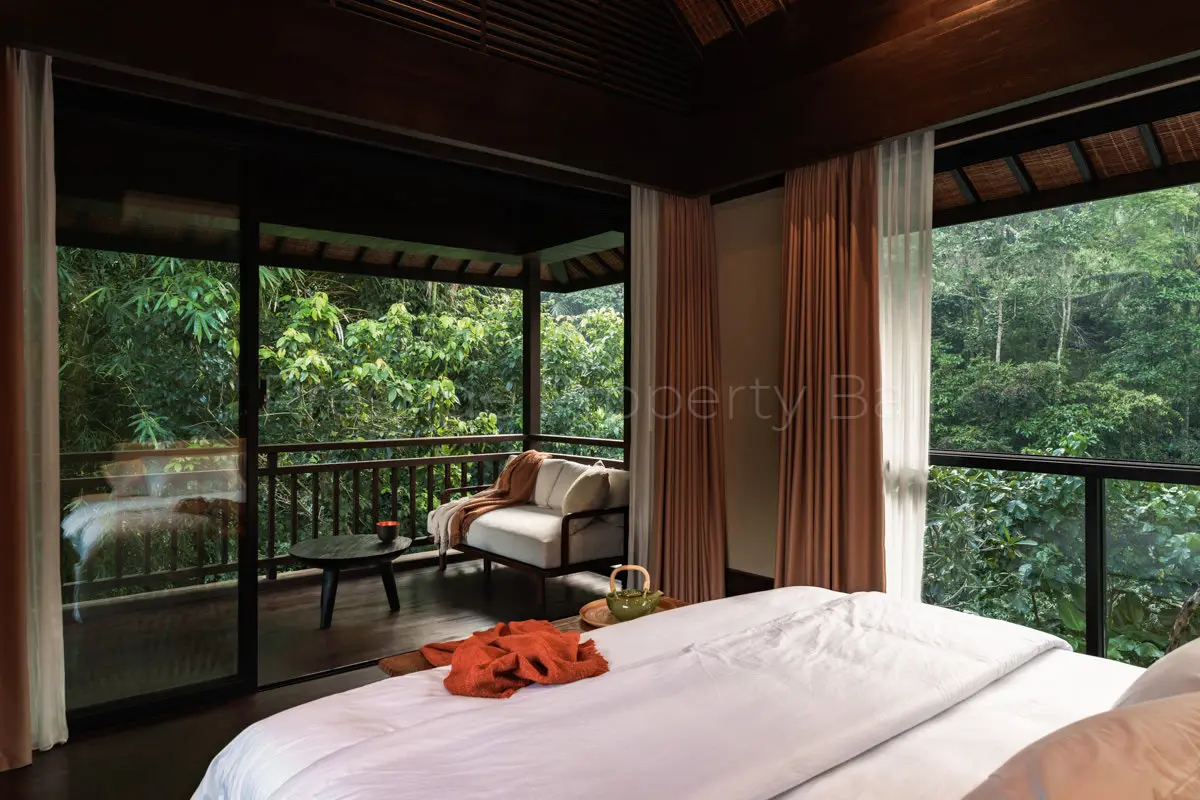
  • Seminyak vs Canggu: Where Should You Buy a Villa?

    Seminyak vs Canggu: Where Should You Buy a Villa?

    Bali remains one of Southeast Asia’s most attractive real estate markets, particularly for villa investments. Two locations consistently dominate buyer interest: Seminyak and Canggu. While both areas offer strong rental demand and lifestyle appeal, they cater to different investment strategies and buyer profiles.

    If you’re deciding where to buy a villa, this comprehensive comparison will help you evaluate pricing, rental yields, growth potential, risks, and lifestyle factors so you can align your purchase with your long-term objectives.

    Overview of Seminyak

    Location & Accessibility

    Seminyak is one of Bali’s most established and prestigious neighborhoods. Located approximately 30-40 minutes from Ngurah Rai International Airport, it benefits from central positioning along Bali’s southwest coast. This accessibility makes it highly attractive to short-term tourists who prioritize convenience and proximity to restaurants, shopping, and the beach.

    Because Seminyak is fully developed, infrastructure such as roads, drainage, electricity, and hospitality services is mature and reliable. For investors, this reduces development risk and ensures predictable operational conditions for rental properties.

    Lifestyle & Atmosphere

    Seminyak is widely regarded as Bali’s upscale lifestyle hub. The area blends beach culture with fine dining, designer boutiques, and luxury wellness experiences. Visitors can enjoy sunset cocktails at iconic venues like Ku De Ta or Potato Head Beach Club, both of which attract high-spending international travelers.

    The overall atmosphere is sophisticated and cosmopolitan. Streets are lined with stylish cafés, international restaurants, and boutique resorts. Compared to Canggu, Seminyak feels more polished and less experimental, appealing strongly to families, honeymooners, and luxury holidaymakers.

    Who Typically Buys in Seminyak?

    Seminyak tends to attract:

    • High-end investors
    • Buyers targeting luxury short-term rentals
    • Lifestyle purchasers seeking prestige location
    • Long-term investors prioritizing stability over speculation

    These buyers often prioritize brand positioning and consistent occupancy over aggressive capital growth. The location itself acts as a strong value anchor, helping properties maintain demand even during slower tourism cycles.

    Property Prices in Seminyak

    Seminyak sits at the premium end of Bali’s property spectrum. Limited land availability and strong global recognition keep prices elevated compared to emerging areas.

    Approximate price ranges:

    • 2-bedroom villa: USD $350,000 – $600,000
    • 3-bedroom villa: USD $500,000 – $900,000
    • Luxury 4+ bedroom villa: $1M+

    While entry costs are higher, villas in Seminyak can command premium nightly rates due to walkability and central positioning. For buyers seeking a lower-risk environment with consistent rental performance, the higher capital outlay is often justified.

    Read also: Top Areas in Seminyak to Buy a Luxury Villa

    Overview of Canggu

    Location & Growth

    Located just north of Seminyak, Canggu has experienced rapid transformation over the past decade. Once a quiet surf village, it has evolved into Bali’s trendiest and fastest-growing residential and tourism zone.

    Expansion has pushed development inland toward areas such as Pererenan and Babakan, creating new opportunities for investors willing to enter emerging neighborhoods. However, growth has also brought increased traffic and infrastructure strain in certain sections.

    Lifestyle & Culture

    Canggu is energetic, creative, and community-driven. The area is known for its surf beaches, modern cafés, coworking spaces, and wellness studios. It has become the heart of Bali’s digital nomad movement, attracting remote workers and entrepreneurs who stay for months at a time.

    The atmosphere feels youthful and dynamic. Unlike Seminyak’s refined elegance, Canggu offers a more relaxed, experimental vibe. This appeals strongly to younger travelers and long-stay guests who prioritize lifestyle flexibility.

    Who Buys in Canggu?

    Canggu attracts:

    • Growth-focused investors
    • Mid-range rental investors
    • Digital nomads
    • Younger buyers
    • Buyers with moderate budgets seeking upside potential

    Because land is still available in developing zones, entry prices can be lower than in Seminyak, particularly outside of premium areas like Berawa. However, buyers must carefully assess zoning and long-term supply trends.

    Property Prices in Canggu

    Canggu offers a wider pricing range than Seminyak, depending heavily on proximity to the beach and popularity of the sub-area.

    Approximate ranges:

    • 2-bedroom villa: $250,000 – $500,000
    • 3-bedroom villa: $400,000 – $750,000
    • Luxury villas: $800,000+

    Prime zones like Berawa are approaching Seminyak-level pricing, while emerging inland areas still offer growth opportunities. Investors who enter early in developing corridors may benefit from stronger appreciation.

    Property Price Comparison: Seminyak vs Canggu

    Property TypeSeminyakCanggu
    Entry PriceHigherModerate
    Land CostPremiumVaries by zone
    Luxury SegmentVery strongGrowing rapidly
    Appreciation PotentialModerateHigh (area dependent)

    Seminyak represents maturity and scarcity, while Canggu represents expansion and growth potential. The choice often comes down to whether you prefer security or upside.

    Rental Income & ROI Comparison

    Occupancy Rates

    Seminyak benefits from stable, year-round tourism. Its established reputation ensures a steady flow of international guests. Canggu, meanwhile, experiences strong seasonal peaks and benefits from the growing digital nomad segment, which supports longer stays.

    Nightly Rental Rates

    Seminyak villas generally achieve higher nightly rates, especially those within walking distance to the beach or popular venues. Canggu villas perform strongly in the mid-range segment and may experience strong monthly occupancy from long-term renters.

    Estimated ROI

    • Seminyak: 7-10% annual returns (stable, predictable)
    • Canggu: 8-12% potential returns (higher risk, higher reward)

    Returns in Canggu can exceed Seminyak in certain projects, but they are more sensitive to market fluctuations and supply growth.

    Lifestyle Comparison

    FactorSeminyakCanggu
    Luxury FeelHighMedium-High
    Surf CultureModerateStrong
    Digital Nomad SceneGrowingVery Strong
    Family AppealEstablishedEmerging
    WalkabilityExcellentVaries

    Buyers choosing for lifestyle rather than pure investment should consider where they personally feel more aligned. Seminyak feels refined and convenient, while Canggu feels innovative and social.

    Infrastructure & Long-Term Growth

    Seminyak

    Seminyak’s infrastructure is complete and well-established. Because most land is already developed, appreciation potential is steady but limited. However, this maturity reduces volatility and risk.

    Canggu

    Canggu continues to expand outward. Road upgrades and commercial growth are ongoing, but development sometimes outpaces infrastructure. For investors comfortable with growth-phase markets, this represents opportunity, but also requires careful due diligence.

    Legal & Zoning Considerations

    Both areas operate under Indonesia’s property ownership framework. Foreign buyers typically purchase villas under leasehold agreements or via a PMA company structure. Zoning classifications, especially tourism vs residential zoning, must be carefully reviewed before purchase.

    Professional guidance is strongly recommended. Agencies such as Prestige Property Bali can assist with due diligence, zoning checks, and legal structuring to ensure compliance and protect investment value.

    Risk Analysis

    Risks in Seminyak

    • High entry price
    • Lower appreciation ceiling
    • Competitive luxury market

    Seminyak’s main risk is capital intensity. Because prices are already high, future appreciation may be moderate rather than dramatic.

    Risks in Canggu

    • Oversupply in some areas
    • Infrastructure strain
    • Traffic congestion
    • Zoning risks in emerging zones

    Canggu’s rapid growth can lead to short-term imbalances. Selecting the right micro-location is critical to avoid oversaturated segments.

    Who Should Buy in Seminyak?

    Choose Seminyak if you:

    • Want stable, consistent rental returns
    • Prefer a prestigious address
    • Target luxury vacation renters
    • Have a higher investment budget
    • Value walkability and central convenience

    Seminyak is ideal for conservative investors who prioritise reliability, established tourism demand, and long-term brand positioning.

    Who Should Buy in Canggu?

    Choose Canggu if you:

    • Want higher growth potential
    • Have a mid-range investment budget
    • Target digital nomads or long-term renters
    • Are comfortable with moderate risk
    • Seek capital appreciation opportunities

    Canggu is suited for forward-looking investors who understand emerging market cycles and are willing to balance risk for potential reward.

    Final Verdict: Seminyak or Canggu?

    Both Seminyak and Canggu remain strong pillars of Bali’s villa investment market. The decision ultimately depends on your financial goals, risk tolerance, and lifestyle preferences.

    If your priority is stability, prestige, and consistent short-term rental income, Seminyak offers a mature and reliable market. If you seek higher growth potential, broader pricing options, and exposure to Bali’s evolving digital economy, Canggu may be the better fit.

    Working with experienced professionals such as Prestige Property Bali can help you refine your strategy, analyze ROI projections, and identify villas that align with your investment objectives.

    Choosing the right area is not just about location, it is about aligning your villa purchase with your long-term vision.

  • Top Areas in Seminyak to Buy a Luxury Villa

    Top Areas in Seminyak to Buy a Luxury Villa

    Seminyak has firmly positioned itself as Bali’s most refined and established luxury property destination. Known for its upscale beach clubs, world-class restaurants, boutique shopping, and vibrant lifestyle scene, it continues to attract high-net-worth travelers and international investors alike. For buyers searching for luxury villas for sale in Seminyak, the area offers a rare blend of strong rental performance, lifestyle appeal, and long-term capital stability.

    However, not every part of Seminyak delivers the same investment results. Micro-location plays a decisive role in determining rental yields, occupancy levels, resale liquidity, and overall desirability. Understanding the characteristics of each key neighbourhood allows buyers to make strategic decisions aligned with their financial goals and lifestyle preferences.

    Why Location Matters When Buying a Luxury Villa in Seminyak

    In Bali’s competitive real estate landscape, location directly influences both short-term returns and long-term appreciation. Two villas with similar design, land size, and amenities can perform very differently depending on how close they are to the beach, entertainment hubs, or dining areas.

    Location determines:

    • Walkability to beach clubs, restaurants, and nightlife
    • Proximity to the beach
    • Nightly rental rates
    • Occupancy levels
    • Long-term capital growth

    Luxury travellers typically prioritise:

    • Beach access
    • Central dining areas
    • Privacy with convenience
    • Easy transport routes

    Investors, meanwhile, focus on:

    • High occupancy rates
    • Premium nightly pricing
    • Resale liquidity

    For example, villas within walking distance of the beach in Petitenget often command significantly higher nightly rates than similar properties located inland. Likewise, centrally located villas in Oberoi benefit from exceptional year-round demand due to their walkability.

    1. Petitenget – The Ultra-Luxury Beachside Zone

    Petitenget represents the pinnacle of Seminyak luxury. This prestigious beachfront enclave is home to some of Bali’s most iconic lifestyle destinations and premium hospitality brands. Limited land availability, especially near the coast, reinforces its high-value positioning.

    Why Buyers Love Petitenget

    • Walking distance to:
      • Potato Head Beach Club
      • Ku De Ta
    • Direct access to Seminyak Beach
    • High-end dining and nightlife
    • Strong international tourist demand

    Petitenget attracts affluent holidaymakers who prefer luxury villas over hotels, particularly for group stays and private retreats.

    Price Range

    • Approximately $700,000 – $3,000,000+
    • Beachfront and large land plots may exceed this range

    Investment Potential

    Petitenget consistently delivers some of the highest rental rates in Bali. Limited beachfront inventory and sustained demand support long-term capital appreciation. Investors working with experienced agencies such as Prestige Property Bali often view this area as the benchmark for premium villa investments.

    Best for: Investors seeking maximum rental income and strong capital preservation.

    2. Oberoi (Eat Street) – Prime Central Seminyak

    Oberoi, often referred to as “Eat Street,” is the vibrant core of Seminyak. It is the epicentre of fine dining, boutique retail, and entertainment. For many visitors, staying in Oberoi means enjoying the full Seminyak experience without needing daily transportation.

    Why Buyers Love Oberoi

    • Walking distance to restaurants and boutiques
    • High occupancy rates year-round
    • Central yet private villa lanes
    • Strong rental performance

    Although it is centrally located, many luxury villas are tucked away on quiet side streets, offering privacy while maintaining full convenience.

    Price Range

    • $600,000 – $2,000,000

    Investment Potential

    Oberoi villas benefit from consistent occupancy throughout the year, not just peak season. The area’s walkability makes it extremely attractive for short-term rentals, which supports stable cash flow and relatively liquid resale opportunities.

    Best for: Investors prioritising consistent rental returns and strong occupancy.

    3. Batu Belig – Emerging Luxury With Better Entry Prices

    Located just north of central Seminyak, Batu Belig offers a quieter atmosphere while still providing beach proximity and access to premium amenities. Over recent years, it has gained increasing attention from investors seeking value and growth potential.

    Why Buyers Love Batu Belig

    • Less crowded than central Seminyak
    • Close to Petitenget Beach
    • Larger land plots
    • Popular with long-stay visitors and digital nomads

    Batu Belig tends to feature more modern villa developments and offers slightly more competitive pricing compared to prime Petitenget locations.

    Price Range

    • $450,000 – $1,500,000

    Investment Potential

    As land in central Seminyak becomes scarcer, demand continues to expand northward. Batu Belig presents strong appreciation potential and attractive entry pricing relative to more established areas.

    Best for: Buyers focused on long-term growth and value-driven investment.

    4. Double Six Beach Area – Beach Lifestyle Focus

    The Double Six area combines beachfront access with a more relaxed, family-friendly atmosphere. It remains one of the most recognisable beachfront zones in Seminyak.

    Why Buyers Love This Area

    • Direct beach access
    • Family-friendly environment
    • Popular sunset location
    • Strong short-term holiday rental demand

    The beachfront setting continues to be one of the strongest rental drivers in Bali’s luxury villa market.

    Price Range

    • $650,000 – $2,500,000

    Investment Potential

    Villas in this area often perform exceptionally well during peak tourism seasons. Proximity to the beach consistently commands premium rental rates and supports long-term desirability.

    Best for: Lifestyle-oriented buyers seeking beachfront access with solid rental income potential.

    Comparing the Top Luxury Areas in Seminyak

    AreaPrice LevelRental YieldLifestyleBest For
    Petitenget$$$$Very HighUltra-LuxuryPremium Investors
    Oberoi$$$HighCentral & WalkableRental Income
    Batu Belig$$-$$$GrowingQuiet & SpaciousAppreciation
    Double Six$$$$HighBeachfrontLifestyle Buyers

    Each area caters to a slightly different buyer profile. Your choice should align with your financial strategy and personal preferences.

    Which Area Is Right for You?

    Choosing the right area depends on your primary objective.

    1. For Maximum Rental ROI

    Petitenget and Oberoi deliver the strongest occupancy and premium nightly pricing.

    2. For Long-Term Appreciation

    Batu Belig offers attractive entry pricing with solid growth potential.

    3. For Lifestyle & Beach Access

    The Double Six area is ideal for beachfront living with excellent holiday rental appeal.

    Consulting experienced local advisors, such as Prestige Property Bali, can help ensure your purchase aligns with market realities and legal structures.

    Future Growth & Market Outlook

    Seminyak remains one of Bali’s most resilient property markets due to its established infrastructure, global recognition, and limited beachfront land supply. Continued tourism growth and premium hospitality development reinforce its long-term appeal.

    Compared to nearby areas such as Canggu and Uluwatu, Seminyak offers:

    • A more mature rental ecosystem
    • Strong resale liquidity
    • Higher established property values
    • Superior walkability

    While emerging destinations may offer rapid short-term growth, Seminyak provides stability, prestige, and consistent demand.

    Final Thoughts

    When evaluating luxury villas for sale in Seminyak, micro-location is one of the most important factors influencing success. Each neighbourhood offers distinct advantages:

    • Petitenget for exclusivity and premium returns
    • Oberoi for central convenience and steady occupancy
    • Batu Belig for growth potential and better entry pricing
    • Double Six for beachfront lifestyle appeal

    By aligning your goals with the right location, you can maximise both lifestyle satisfaction and financial performance. Careful due diligence, realistic rental projections, and proper legal structuring remain essential steps before finalising any property purchase.

    Seminyak remains one of Bali’s most desirable luxury villa markets, and selecting the right area is key to unlocking its full potential.

  • Fermentation for Foodies: Why Kimchi, Kombucha & Miso Are Booming

    Fermentation for Foodies: Why Kimchi, Kombucha & Miso Are Booming

    In recent years, bold flavours and gut-friendly ingredients have taken centre stage in modern cuisine, and nothing captures this shift better than the rise of fermentation for foodies. What used to be a traditional method for preserving food has now become a global culinary obsession. From spicy kimchi to fizzy kombucha and savoury miso, fermented foods are trending not only for their taste but also for their health benefits and rich cultural stories.

    The Ancient Art of Fermentation Meets Modern Food Culture

    Fermentation is one of the oldest culinary techniques in the world, used by countless civilisations long before refrigeration existed. The process relies on beneficial bacteria and yeasts to break down sugars and starches, transforming simple ingredients into complex, flavour-rich foods.

    Today, fermentation for foodies represents a merging of the old and the new—honouring heritage while satisfying the modern craving for bold, handcrafted, natural products. Whether it’s homemade kombucha bubbling on a kitchen counter or small-batch miso made by artisan producers, fermentation taps into a foodie’s desire for authenticity and craft.

    Kimchi: A Bold, Spicy Icon of Korean Tradition

    Kimchi has become a globally beloved food, appearing in everything from rice bowls to burgers and tacos. The magic of kimchi lies in the lactic acid bacteria that develop as napa cabbage, radish, garlic, and chilli slowly ferment.

    Why Foodies Love It:

    • Explosive flavour: Sour, spicy, salty, and umami all at once
    • Rich traditions: Each Korean region—and household—has its own recipe
    • Health benefits: Packed with probiotics, vitamins, and antioxidants

    Kimchi is versatile, too. Food lovers use it in fried rice, soups, grilled cheese sandwiches, or simply as a crunchy side dish. Its flexibility adds to its popularity, making it an essential part of the fermentation wave.

    Kombucha: The Trendy, Fizzy Tea with a Cult Following

    Kombucha has evolved from a niche health drink to a mainstream favourite, now found in cafés, restaurants, and supermarkets worldwide. Made by fermenting sweetened tea with a SCOBY (symbiotic culture of bacteria and yeast), kombucha delivers a lightly sour, refreshing flavour.

    Kombucha

    Why Kombucha Is Booming:

    • Digestive support: Probiotics help balance the gut
    • Customisable flavours: From ginger-lime to berry hibiscus
    • Low-altitude craft culture: Many brands embrace small-batch, artisanal brewing

    For foodies, kombucha offers a healthier alternative to sugary sodas while still delivering complexity and satisfaction. Some even brew their own at home—a trend perfectly aligned with the rise of DIY food culture.

    Miso: The Umami Powerhouse Behind Japanese Cooking

    Miso, a fermented paste made from soybeans, salt, and koji, has been a staple of Japanese cuisine for centuries. While traditionally used in soups and marinades, miso has captured the attention of chefs and home cooks worldwide for its deep, savoury flavour.

    Miso

    Why Foodies Can’t Get Enough of Miso:

    • Depth of flavour: A little miso adds instant umami richness
    • Versatility: Works in salad dressings, glazes, sauces, and even desserts
    • Fermentation time: Some miso ferments for months or years, creating complexity

    In the context of fermentation for foodies, miso is a perfect example of a traditional product gaining new life in trending recipes.

    The Wellness Factor: Gut Health and Beyond

    One of the biggest reasons fermented foods are booming is their celebrated health benefits. Probiotics help support digestion, immunity, and overall gut health, an area increasingly linked to mood, energy, and long-term wellness.

    Consumers today are more informed and more health-conscious, seeking ingredients that do more than taste good. Fermented foods deliver on all fronts: flavour, function, and cultural depth.

    A Delicious Movement That’s Here to Stay

    The surge of interest in kimchi, kombucha, and miso isn’t just a fad. These foods offer a unique blend of taste, tradition, and wellness that resonates with today’s culinary values. As fermentation for foodies continues to rise, expect even more creative, small-batch, and modern interpretations of this ancient art.

  • Seasons & Itineraries of the Indonesian Archipelago: How Aliikai Voyage Optimises Route Planning

    Seasons & Itineraries of the Indonesian Archipelago: How Aliikai Voyage Optimises Route Planning

    Sailing across Indonesia’s vast collection of islands requires deep local knowledge, and Aliikai Voyage has mastered the art of planning routes that align perfectly with seasonal conditions. With the archipelago spanning thousands of kilometres and featuring multiple microclimates, understanding when and where to sail is essential for travellers seeking the smoothest seas, most transparent waters, and most rewarding experiences. From Komodo to Raja Ampat and the Spice Islands, the timing of your journey shapes everything from marine life encounters to weather and visibility.

    Understanding Indonesia’s Sailing Seasons

    Indonesia sits along the equator, creating warm weather year-round, but two main seasons influence travel: the dry season (May–October) and the wet season (November–April). Each destination in the archipelago has its own microseason, and luxury yachts adjust their itineraries to take advantage of the best conditions.

    Yachts such as Prana by Atzaro, Lamima Yacht, Amandira, Celestia Yacht, and Mutiara Laut Yacht all follow this seasonal rhythm. Yet Aliikai Voyage distinguishes itself with a more flexible, experience-focused approach, designing routes that capitalise on calm seas, marine life, and cultural opportunities unique to each region.

    Also read Exclusive Access or Shared Heritage? Debating the Komodo Tour Vision for Komodo National Park

    Komodo National Park: Best from April to October

    The Komodo region shines during the dry season, offering calm waters, sunny skies, and exceptional visibility. This is the best time to enjoy the park’s highlights:

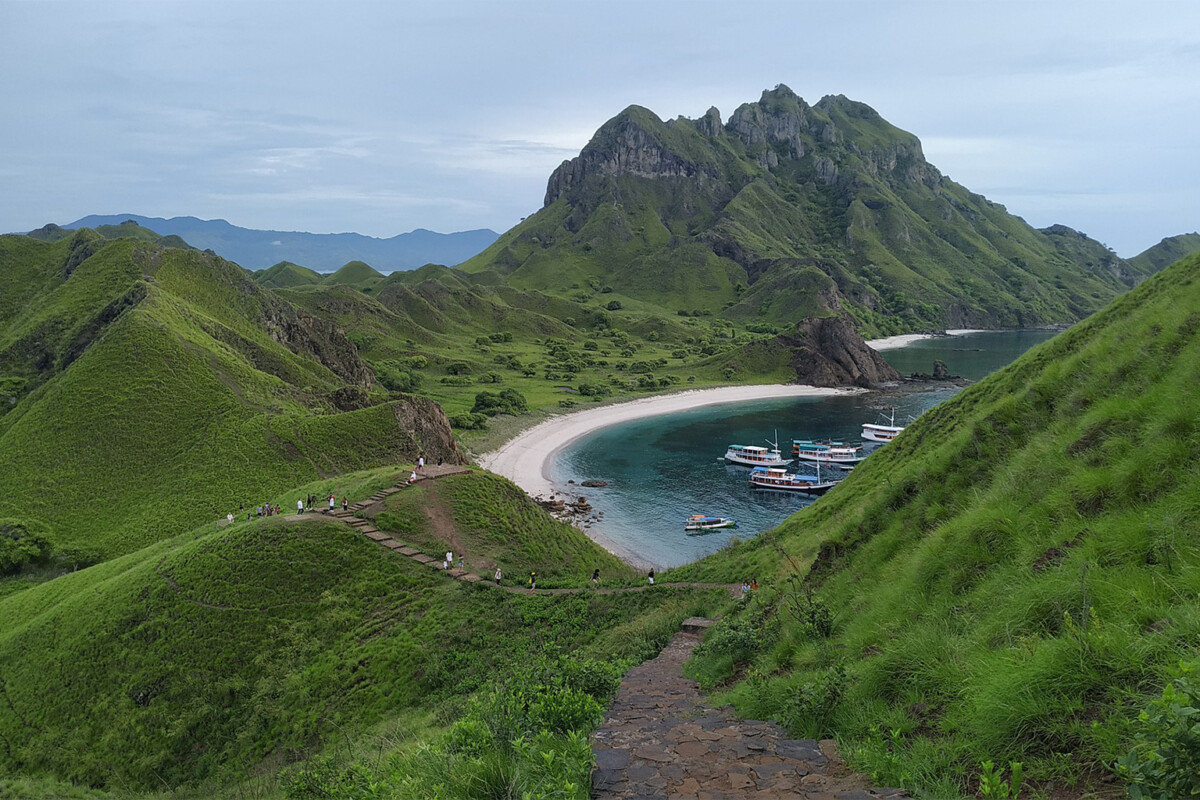
    • Hiking Padar Island
    • Meeting Komodo dragons on Rinca or Komodo Island
    • Snorkelling with manta rays
    • Visiting Pink Beach
    • Swimming in turquoise lagoons

    From April to June, the landscapes are still green from the rainy season, while August to October brings peak marine life activity, perfect for divers and snorkellers. This is also when Komodo boat charter bookings are highest, so early reservation is recommended.

    Aliikai Voyage often spends these months sailing through Komodo, ensuring guests enjoy ideal conditions with predictable winds and minimal rainfall. These routes are especially suitable for families, photographers, and wildlife enthusiasts.

    Raja Ampat: Prime Season from October to April

    Regarded as one of the world’s top marine destinations, Raja Ampat comes alive during the northern monsoon period when the seas are calm, and visibility is at its best. This window—October to April—is perfect for exploring the region’s legendary biodiversity:

    • Manta cleaning stations
    • Soft coral gardens
    • Pygmy seahorses
    • Dramatic limestone islands
    • Crystal-clear lagoons

    Smooth sea conditions during this season make sailing comfortable even for first-time travellers. The region is also a top choice for divers, underwater photographers, and honeymooners seeking dramatic landscapes.

    Bookings for a Raja Ampat yacht charter typically peak in December and January, so travellers should secure their dates well in advance.

    Aliikai Voyage spends this period in Raja Ampat, taking guests to both the famous Dampier Strait and the quieter northern or southern zones, depending on weather patterns.

    The Spice Islands: Best from September to November & March

    Rich in history, culture, and marine life, the Spice Islands offer a different kind of journey. Here, calm weather appears at two distinct times of year: September–November and March. These shoulder-season windows provide ideal sailing conditions, minimal winds, and vibrant coral reefs.

    Highlights of this route may include:

    • Banda Neira’s Dutch colonial heritage
    • Active volcanoes and black sand beaches
    • Hammerhead shark sightings (seasonal)
    • Iconic Banda Sea drop-offs
    • Nutmeg plantations and cultural tours

    The Spice Islands are perfect for experienced travellers seeking lesser-known destinations, history lovers, and divers interested in deeper sites.

    Aliikai Voyage selects Spice Island itineraries during these short seasonal windows, ensuring travellers experience the region at its smoothest.

    Why Seasonal Route Planning Matters

    Route optimisation isn’t just about the weather—it’s about curating experiences that align with nature’s rhythm. Wind direction, swell size, marine migration, and local festivals all shape how itineraries are designed. This approach ensures travellers enjoy more wildlife encounters, more transparent waters, safer sailing, and unforgettable island experiences.

    During each region’s prime season, Aliikai Voyage strategically positions itself to maximise comfort and adventure, offering personalised routes rather than fixed, rigid itineraries. This flexibility is what sets the yacht apart from others in the region.

    When Should You Book? Insider Timing Tips

    • Komodo (April–October): Book 6–12 months in advance—especially June–September.
    • Raja Ampat (October–April): Book 9–12 months ahead for holiday periods.
    • Spice Islands (Sept–Nov & March): Book 6–9 months in advance; limited windows mean cabins fill fast.

    Travelling during shoulder seasons can also be rewarding, with fewer boats and quieter anchorages while still enjoying good conditions.

    Conclusion

    From Komodo’s dry-season magic to Raja Ampat’s calm monsoon seas and the Spice Islands’ rare windows of perfection, seasonal route planning shapes every voyage. With its deep understanding of Indonesia’s climate and geography, Aliikai Voyage crafts itineraries that offer smooth sailing, breathtaking wildlife, and unforgettable experiences—no matter the season.

  • Flipping vs. Renting: Which Property Strategy Builds Wealth Faster?

    Flipping vs. Renting: Which Property Strategy Builds Wealth Faster?

    In the world of real estate investing, two dominant strategies stand out: flipping vs. renting. Both can generate impressive returns, but they differ significantly in time, risk, and the kind of wealth they build. Understanding which approach suits your financial goals and lifestyle can make the difference between steady growth and short-term profit.

    1. Understanding the Two Strategies

    Flipping involves buying a property below market value, renovating it, and selling it at a higher price. It’s fast-paced and profit-driven, requiring strong market knowledge and project management skills.

    Renting, on the other hand, is about long-term wealth accumulation. You buy and hold a property, rent it out, and earn monthly income while the asset appreciates over time. Both can be lucrative, but they cater to different types of investors and financial objectives.

    2. ROI Comparison: Quick Profit vs. Steady Growth

    When it comes to flipping vs. renting, investors first look at return on investment (ROI).

    • Flipping ROI: Successful flippers often aim for a 10–20% profit margin after renovation and selling costs. For example, buying a house for $200,000, investing $40,000 in upgrades, and selling it for $300,000 yields a healthy $60,000 profit—before taxes and agent fees. The entire process may take 3–6 months, making flipping ideal for those seeking quick capital gains.
    • Renting ROI: Rental properties generally produce 5–10% annual ROI, depending on location, maintenance, and occupancy rates. While returns are slower, investors benefit from consistent cash flow, long-term appreciation, and tax advantages such as depreciation write-offs. Over time, a well-managed rental property can outperform a flip in total profit through compounding value and steady rental income.

    3. Risk Level: Market Timing vs. Market Stability

    Risk tolerance plays a significant role in deciding between flipping vs. renting.

    • Flipping Risks: Flipping carries higher short-term risk. Profit depends on accurate cost estimates, construction timelines, and real estate market conditions. A sudden interest rate hike or slowdown can shrink your buyer pool and profits. Unexpected repair costs or contractor delays also eat into margins.
    • Renting Risks: Rental properties involve fewer market-timing risks but higher ongoing management responsibilities. Vacancy periods, tenant damage, and maintenance costs can impact income stability. However, rental demand tends to remain strong, especially in urban and developing areas, offering greater resilience against market downturns.

    4. Time Commitment: Active Hustle vs. Passive Management

    When comparing flipping vs. renting, time is another major factor.

    • Flipping is time-intensive and requires active involvement. You’ll need to oversee renovations, coordinate with contractors, and manage the selling process. It’s closer to running a short-term business than a passive investment.
    • Renting, once set up, can become relatively hands-off—especially with property managers handling daily operations. For investors seeking passive income, long-term rentals are more sustainable and less stressful.

    5. Which Builds Wealth Faster?

    The answer depends on your goals:

    • If you’re looking for immediate profit and capital for reinvestment, flipping can deliver fast results—ideal for active investors with time, experience, and liquidity.
    • If your goal is financial independence and long-term wealth, renting provides ongoing income, equity growth, and stability.

    Many experienced investors eventually blend both strategies—flipping to generate capital and renting to create lasting wealth. This hybrid approach balances speed and security, offering the best of both worlds.

    The debate between flipping vs. renting isn’t about which is “better,” but which aligns with your financial goals, time capacity, and risk tolerance. Flipping can build wealth faster in the short term, while renting builds it stronger in the long run. Whether you choose quick gains or steady growth, understanding the strengths of each strategy ensures your property investments work smarter—and profit longer.

  • Is It Worth the Price? Breaking Down the Real Costs of a Luxury Yacht Charter in Indonesia

    Is It Worth the Price? Breaking Down the Real Costs of a Luxury Yacht Charter in Indonesia

    Chartering a luxury yacht in Indonesia is one of the most exclusive ways to explore the archipelago’s 17,000 islands—from the pink sands of Komodo to the turquoise lagoons of Raja Ampat. But beyond the allure of teak decks and sunset dinners, what does a private voyage actually cost? Understanding where your money goes—fuel, crew, catering, and port fees. It can help you choose wisely and appreciate the craftsmanship and service that make each trip remarkable.

    1. The Charter Rate: Where Luxury Begins

    Luxury yacht charters in Indonesia typically start from USD 5,000 to 15,000 per night, depending on the vessel, route, and season. Yachts like Magia 2, Majik, and Sanya sit in the premium range, offering world-class suites, Jacuzzis, and fine dining menus curated by private chefs. Others, such as Senja and Nataraja, blend contemporary comfort with Phinisi heritage design. Making them ideal for smaller groups or couples.

    These prices often include the essentials—accommodation, meals, soft drinks, snorkelling gear, and crew services—but exclude the add-ons that can quickly elevate your total cost.

    2. Fuel: The Hidden Engine of Your Journey

    Fuel is one of the largest variables in any charter. Most yachts cruise at 7–10 knots, and depending on the distance and itinerary, fuel can cost USD 500–2,000 per day. A weeklong Komodo or Raja Ampat route, for example, involves long stretches between dive sites and anchor points. Especially if you’re covering both north and south regions.

    Yachts like Tiger Blue and The Oracle are known for optimising routes efficiently to reduce unnecessary mileage without compromising on scenic highlights. Still, fuel costs are a necessary part of the experience. Powering not just the engines, but also generators for air conditioning, lighting, and onboard water systems.

    Also read How Amandira Yacht Charter Brings Aman’s Signature Tranquility to the High Seas

    3. The Crew: Expertise That Defines Every Voyage

    The heart of any charter lies in its crew. A well-trained team ensures safety, service, and smooth sailing. Most luxury yachts employ 10–14 crew members, including a captain, engineers, deckhands, chefs, and dive guides. Wages, training, and insurance make up a significant portion of operating costs.

    Vessels like Alexa, Anne Bony, and Dewata are celebrated for their outstanding hospitality standards, often led by crews who’ve trained internationally. The Yacht Club Indonesia plays a key role in upholding these standards. Ensuring that luxury charters operate in accordance with certified maritime safety and ethical guidelines. Paying for this level of professionalism translates to peace of mind and elevated experiences on the water.

    4. Catering: Fine Dining at Sea

    Culinary experiences on Indonesian yachts go far beyond buffet meals. Most charters employ private chefs who source local ingredients and tailor menus to guest preferences. Whether it’s freshly caught lobster grilled on deck or vegan tasting platters inspired by regional flavours.

    Expect catering to represent 10–15% of your total charter cost, depending on requests for premium wines, imported meats, or special dietary accommodations. Samara I and Samara II, for instance, are known for fusing Mediterranean and Indonesian cuisine. At the same time, Majik often hosts themed dinners under the stars—complete with white linens, candles, and soft sea breezes.

    5. Port Fees, National Park Permits, and Taxes

    Indonesia’s marine zones are protected, and sailing responsibly means accounting for permits and park fees. Entry to Komodo National Park, for example, includes daily visitor and diving charges, typically around USD 150–200 per person for multi-day stays. Port fees, anchorage, and customs paperwork are usually handled by the yacht’s operator but billed separately.

    Luxury yachts like Nataraja and Senja prioritise transparency by itemising these costs upfront. Helping guests understand where every dollar goes while supporting conservation efforts in sensitive marine areas.

    6. So, Is It Worth the Price?

    When you factor in craftsmanship, comfort, and crew expertise, the price of a luxury yacht charter in Indonesia begins to make sense. You’re not just paying for transportation—you’re investing in a floating five-star resort that moves with you. Offering sunrise dives, private beach barbecues, and tailor-made itineraries, few travellers ever experience.

    From The Oracle’s sophisticated interiors to Tiger Blue’s classic Phinisi charm, each yacht tells a story of Indonesian maritime heritage and modern hospitality. And with organisations like the Yacht Club Indonesia maintaining high operational standards. Guests can trust that safety, sustainability, and service are at the core of every voyage.

    Ultimately, yes—it’s worth the price. Because aboard a luxury yacht in Indonesia, you’re not merely chartering a vessel; you’re unlocking the rare privilege of seeing the world’s most enchanting islands from the front row of the sea.

  • How Flood Disasters Affect Bali Villa Market

    How Flood Disasters Affect Bali Villa Market

    When people dream of owning a tropical home, the idea of buying a villa in Bali often tops the list. With its lush landscapes, world-class beaches, and vibrant culture, Bali has become one of the most attractive real estate markets in Southeast Asia. However, investors should also consider the island’s environmental challenges, particularly the risk of flood disasters. These natural events have a direct effect on property values, insurance costs, and the long-term security of villa investments.

    Flood Disasters and Property Values

    Bali’s villa market has grown rapidly over the last two decades, especially in areas like Canggu, Seminyak, and Ubud. Yet, seasonal flooding and heavy rains can influence buyer confidence. Properties located in flood-prone zones often experience slower appreciation rates compared to villas on elevated ground or in areas with stronger infrastructure.

    For instance, buyers are now more cautious about investing in properties located in low-lying coastal areas. Real estate agents report that flood history is becoming a key factor in negotiations. A villa that once commanded premium prices may see its value reduced if it is repeatedly affected by floods. On the other hand, villas built with proper drainage systems or elevated foundations often maintain their value better, making them a safer long-term choice.

    Also read Smart Buyers’ Guide: Choosing Flood-Resilient Villas in Bali

    The Rising Cost of Insurance

    Insurance is another critical factor shaping how flood disasters affect Bali’s villa market. As extreme weather events become more frequent due to climate change, insurers are adjusting their policies. Premiums for properties in high-risk flood areas are climbing. In some cases, insurance companies may even exclude flood coverage altogether.

    For foreign investors looking to buy a villa in Bali, this means higher recurring costs to protect their property. Without adequate insurance, the financial impact of flood damage can be devastating, covering repairs, replacing interiors, and sometimes necessitating rebuilding entirely. Savvy investors now factor in insurance accessibility and pricing before committing to a purchase.

    Long-Term Investment Security

    One of the main attractions of the Bali property market is its promise of strong returns, whether through vacation rentals or long-term appreciation. However, flood disasters introduce an element of risk that can undermine this security.

    Tenants and tourists are less likely to book villas in areas known for flooding, especially during the rainy season. This can reduce rental income and occupancy rates, directly affecting the profitability of the investment. Furthermore, ongoing repair costs, combined with higher insurance premiums, may eat into profit margins.

    At the same time, awareness of climate risks has given rise to a new opportunity: sustainable and resilient villa design. Developers who prioritise eco-friendly construction, such as elevated villas, rainwater management systems, and natural flood barriers, are gaining a competitive edge. These properties not only appeal to environmentally conscious buyers but also stand as safer long-term investments in the face of rising flood risks.

    How Buyers Can Protect Their Investments

    For those who still wish to purchase a villa in Bali, the key lies in thorough due diligence. Before making a purchase, investors should:

    • Research the flood history of the area.
    • Consult with local real estate experts about drainage and infrastructure.
    • Factor in the cost and availability of insurance.
    • Consider eco-friendly and elevated villa designs for long-term security and sustainability.

    By approaching the market with awareness, buyers can enjoy the benefits of Bali’s real estate while minimizing environmental risks.

    The dream of owning a tropical retreat remains strong, but understanding how flood disasters affect Bali’s villa market is essential for smart investment decisions. Property values, insurance costs, and long-term profitability are all influenced by environmental challenges. By making informed choices and focusing on resilient properties, investors can still secure a profitable and sustainable future in Bali’s dynamic villa market.

  • Exclusive Access or Shared Heritage? Debating the Komodo Tour Vision for Komodo National Park

    Exclusive Access or Shared Heritage? Debating the Komodo Tour Vision for Komodo National Park

    When planning a Komodo tour, travelers often imagine untouched islands, dramatic landscapes, and rare encounters with the legendary Komodo dragon. Yet behind this idyllic image lies a growing debate: should parts of Komodo and Padar Islands become exclusive destinations reserved for premium tourism, or should they remain open and accessible to all? This question strikes at the heart of how we define heritage, who owns it, and how it should be experienced.

    The Rise of Exclusive Tourism in Komodo

    In recent years, government initiatives and private investors have introduced a “super-premium” concept for Komodo National Park. The idea is to limit visitor numbers in certain zones, increase entry fees, and develop high-end facilities designed for affluent travellers. Advocates argue that this model ensures conservation by reducing the pressure of mass tourism on fragile ecosystems.

    Supporters also claim that exclusivity attracts a different class of visitors, those willing to spend more per trip. Theoretically channeling higher revenue into conservation and local development. In theory, this would position the Komodo tour as a luxury brand comparable to the Galápagos or safari destinations in Africa.

    The Case for Shared Heritage

    On the other side of the debate are those who see Komodo National Park as a world heritage site belonging to everyone, not just the wealthy. Restricting access through expensive fees or gated developments risks alienating the very people. Local communities and average travelers—who have long celebrated Komodo’s natural wonders.

    For many Indonesians, Komodo represents national pride, and making it exclusive could feel like privatizing a treasure that belongs to all citizens. From a global perspective, UNESCO’s World Heritage framework emphasizes that sites of “outstanding universal value” should be preserved for collective enjoyment, not commodified for a narrow audience.

    Economic and Social Dimensions

    The exclusive-access model also raises questions about who really benefits. High-end resorts and luxury marinas can generate significant profits. Still, if ownership rests with external investors, local communities may see little trickle-down effect. Fishermen, homestay owners, and small tour operators in Labuan Bajo rely on an inclusive flow of visitors to sustain their livelihoods.

    If access is restricted, these groups may be overlooked in favour of large-scale businesses. This creates not only economic disparity but also a cultural imbalance. Where locals become employees in their own heritage landscape rather than active custodians and beneficiaries.

    Conservation vs Commodification

    Proponents of exclusivity highlight conservation as their primary justification: fewer visitors mean less waste, less reef damage, and reduced strain on ecosystems. While this is a valid concern, critics argue that conservation should not be synonymous with commercialization.

    Conservation can be achieved through stricter visitor guidelines, carrying capacity limits, and sustainable practices without making Komodo prohibitively expensive. For example, implementing timed entry tickets, mandatory guides, and eco-certification for boats can reduce impact while keeping the Komodo tour inclusive.

    Philosophical Perspectives on Heritage Ownership

    At its core, this debate touches on a philosophical question: who owns heritage? Suppose natural wonders like Komodo dragons are the product of millions of years of evolution. Do governments and investors have the right to restrict access based on wealth? Or should they be seen as a shared human inheritance, managed responsibly but inclusively?

    This dilemma is not unique to Komodo. Similar debates arise at Machu Picchu, the Great Barrier Reef, and national parks worldwide. The balance between preservation and accessibility requires careful thought, transparency, and community involvement.

    Toward a Middle Ground

    A possible compromise lies in a hybrid model. Certain fragile areas could adopt stricter regulations with higher fees to limit impact. At the same time, other zones remain accessible at affordable rates. This ensures that conservation goals are met without excluding those who are unable to afford luxury prices.

    Furthermore, involving local communities in decision-making ensures that policies reflect the needs of those who live closest to Komodo. When locals become stakeholders through co-managed tourism, training, and business opportunities, they have more substantial incentives to protect their heritage.

    The Komodo tour is more than a holiday; it represents the intersection of nature, culture, and global heritage. Whether Komodo becomes an exclusive playground for the wealthy or remains a shared treasure depends on the choices policymakers, businesses, and travelers make today.

    Exclusivity may generate prestige, but shared heritage fosters a sense of belonging. The future of Komodo National Park should not be defined solely by economic gain but by its ability to inspire and unite people across cultures and generations.

  • Smart Buyers’ Guide: Choosing Flood-Resilient Villas in Bali

    Smart Buyers’ Guide: Choosing Flood-Resilient Villas in Bali

    Buying villas in Bali is a dream for many international investors and lifestyle seekers. With its tropical beauty, cultural charm, and thriving tourism industry, it’s no wonder the island is one of Southeast Asia’s hottest property markets. But alongside the promise of paradise comes a vital consideration: floods. Seasonal rains and climate change have made certain parts of the island more vulnerable to water damage. That’s why choosing a flood-resilient villas in Bali isn’t just smart, it’s essential for protecting your investment and ensuring peace of mind.

    Understanding Flood Risks in Bali

    Bali’s tropical climate is characterized by heavy rainfall, particularly from November to March. In low-lying coastal areas and regions with poor drainage, this can lead to flash floods. Some neighbourhoods also suffer from rapid urban development, where construction projects block natural waterways. As a buyer, knowing which zones are more prone to flooding and which ones offer safer ground should be a priority before signing any contract.

    Flood-Prone vs. Safer Areas

    Not all of Bali is equally affected by flooding. Certain parts of the island are more exposed due to geography and infrastructure.

    • Flood-Prone Areas: Denpasar, Kerobokan, and parts of Seminyak frequently experience seasonal flooding due to rapid urban growth, inadequate drainage, and proximity to rivers. Low-lying areas near rice fields or close to the beach also carry a higher risk.
    • Safer Areas: Elevated regions such as Ubud, Sanur, and Jimbaran are generally less affected. Villas built on higher ground, away from congested drainage systems, have a much lower chance of flood damage.

    When planning to buy a flood-resilient villas in Bali, always check the property’s elevation, neighborhood history, and local drainage infrastructure.

    The Role of Eco-Friendly Designs

    Flood resilience is closely tied to sustainable building practices. Modern eco-villas are designed to coexist with Bali’s natural environment rather than fight against it. Features to look for include:

    • Elevated Structures: Villas raised on stilts or with higher foundation levels minimize water entry during heavy rains.
    • Natural Materials: Bamboo and treated hardwood can withstand humidity better than low-grade concrete.
    • Green Landscaping: Permeable gardens, rainwater harvesting, and natural vegetation help absorb excess water, preventing it from pooling around the property.

    By prioritizing eco-friendly villas, you’re not only protecting yourself from floods but also contributing to Bali’s long-term environmental sustainability.

    Why Drainage Systems Matter

    A villa’s drainage system is often overlooked, but it can make or break your investment. A good drainage setup channels rainwater away from living spaces, prevents erosion, and safeguards the foundation. Before purchasing, ask about:

    • Stormwater Drains: Are They Regularly Maintained and Unclogged?
    • Slope and Flow: Is water directed away from the villa or toward it?
    • Community Infrastructure: In densely built neighborhoods, even the best private drainage can fail if the surrounding system is inadequate.

    Hiring a property inspector to review the drainage and flood history is highly recommended when buying a property in Bali.

    Insurance and Long-Term Security

    Even if you choose a flood-resilient villa, protecting your asset with insurance adds an extra layer of security. Some insurers in Indonesia offer natural disaster coverage, which is worth the investment given the island’s climate. Coupled with smart villa selection, this ensures your Bali property retains its long-term value.

    Tips for Smart Buyers

    1. Conduct Local Research: Speak with neighbours and property agents to learn about the area’s flood history.
    2. Inspect Elevation: Higher ground often equals a safer investment.
    3. Evaluate Eco-Design: Elevated floors, natural landscaping, and rainwater systems are major pluses.
    4. Review Drainage: Ensure both the villa and neighbourhood infrastructure can handle heavy rainfall.
    5. Plan Ahead: Consider insurance to cover potential risks.

    Bali remains one of the world’s most desirable destinations for lifestyle and property investment. However, smart investors know that paradise comes with practical considerations. By focusing on location, eco-friendly design, and proper drainage, you can confidently buy a flood-resilient villa in Bali that offers both peace of mind and long-term value. With the right due diligence, your dream home in Bali can be both beautiful and secure, regardless of how intense the rains may be.