Blog

  • How Amandira Yacht Charter Brings Aman’s Signature Tranquility to the High Seas

    How Amandira Yacht Charter Brings Aman’s Signature Tranquility to the High Seas

    When it comes to luxury travel, few names are as synonymous with peace and balance as Aman. Known for its serene resorts and holistic wellness experiences, Aman has redefined how guests connect with themselves and their surroundings. Now, that same spirit has been translated onto the open ocean with the Amandira Yacht Charter. Offering a blend of adventure and tranquility, Amandira provides massages in the privacy of your cabin, yoga sessions on pristine beaches, spa-inspired dining, and a mindful sailing lifestyle all against the breathtaking backdrop of Indonesia’s most captivating waters.

    Amandira Yacht Charter: A Floating Aman Retreat

    Amandira is not just a yacht; it is a sanctuary at sea. Crafted in the style of a traditional Indonesian Phinisi, this vessel embodies elegance, craftsmanship, and modern comfort. Designed to host a small number of guests, it ensures privacy and exclusivity, making it ideal for families, couples, or groups of friends seeking a personal retreat.

    The yacht’s design reflects Aman’s signature aesthetic: understated luxury, natural materials, and spaces that encourage relaxation. Whether you are unwinding in your cabin, dining al fresco, or lounging on the deck, every detail of the Amandira experience is crafted to promote stillness and peace.

    Massages in the Privacy of Your Cabin

    One of the highlights of the Amandira Yacht Charter is the ability to enjoy spa treatments in complete seclusion. Skilled therapists deliver personalized massages directly in your cabin, using natural oils and techniques inspired by Aman’s wellness philosophy.

    The gentle rocking of the yacht, the sound of the sea outside your window, and the expert touch of the therapist create a unique atmosphere that is both grounding and deeply rejuvenating. Unlike traditional spas, this experience is entirely private and seamlessly integrated into your sailing journey.

    Also read The Cost of a View: Is TNK’s Rp 2 Million Drone Fee Justified with Komodo Yacht Charter?

    Yoga on the Beach: Reconnecting with Nature

    Wellness with Amandira extends far beyond the yacht itself. Guests are invited to practice yoga on some of Indonesia’s most beautiful, often untouched stretches of sand, where the only sounds are the waves and the wind.

    Guided by experienced instructors, these sessions combine mindful movement with the natural beauty of your surroundings. Sunrise yoga energizes the body for a day of exploration, while sunset sessions bring calm and reflection. Practising in such pristine settings deepens the connection between the body, mind, and nature, aligning perfectly with Aman’s holistic wellness philosophy.

    Spa-Inspired Dining at Sea

    Wellness onboard the Amandira Yacht Charter also extends to dining. Meals are carefully prepared with a focus on balance, flavour, and nutritional value. Fresh local ingredients, often sourced from nearby islands, are transformed into dishes that nourish the body and delight the palate.

    Guests can expect menus that reflect Aman’s spa-inspired approach: light yet satisfying, with options tailored to individual preferences or dietary needs. Whether enjoyed in the elegant dining area or under the stars on deck, every meal becomes part of the overall wellness journey.

    A Mindful Sailing Lifestyle

    Beyond specific treatments or activities, Amandira fosters a broader sense of mindfulness throughout the journey. Life onboard moves at a slower pace, guided by the rhythms of the sea and the natural environment.

    Guests are encouraged to unplug, leaving behind the constant pull of digital distractions. Instead, time is filled with simple pleasures: reading a book on the deck, snorkeling in coral gardens, sharing stories over dinner, or meditating as the sun sets. This mindful approach to sailing reflects Aman’s philosophy of living fully in the present moment.

    Exploring Indonesia’s Serene Waters

    The setting is as important as the onboard experience. Amandira sails through some of Indonesia’s most remarkable destinations, including Komodo National Park, Raja Ampat, and the Banda Sea. These areas are renowned not only for their natural beauty but also for their tranquility.

    Crystal-clear waters, remote islands, and vibrant marine life create a backdrop that enhances every wellness experience. Each stop offers opportunities to explore, but always at a pace that maintains the yacht’s atmosphere of calm and balance.

    Aman’s Tranquility on the High Seas

    The Amandira Yacht Charter is more than a luxury voyage; it is a moving Aman sanctuary. By blending massages in private cabins, yoga on secluded beaches, spa-inspired dining, and a mindful sailing lifestyle, Amandira redefines what it means to experience wellness onboard.

    For travelers seeking both adventure and serenity, Amandira offers the best of both worlds: the freedom of the ocean paired with Aman’s signature tranquility. It is a journey that nurtures body, mind, and spirit long after the sails have been lowered.

  • The Hidden Dangers of Illegal Rental Villas in Bali: Threatening the Island’s Future

    The Hidden Dangers of Illegal Rental Villas in Bali: Threatening the Island’s Future

    Bali, a global tourism hotspot, is facing a growing crisis due to the rise of illegal rental villas. These unauthorized accommodations, often operating without critical certifications like the Sertifikat Laik Fungsi (SLF) and Persetujuan Bangunan Gedung (PBG), pose significant threats to the island’s environment, economy, and cultural heritage. As highlighted by Kadek Adnyana, Chairman of the Bali Villa Rental Management Association (BVRMA), the unchecked proliferation of these villas disrupts Bali’s spatial planning. It jeopardizes the future of its sustainable tourism. Examines the far-reaching impacts of illegal rental villas in Bali and proposes solutions to protect the island’s heritage.

    The Environmental Toll of Illegal Rental Villas in Bali

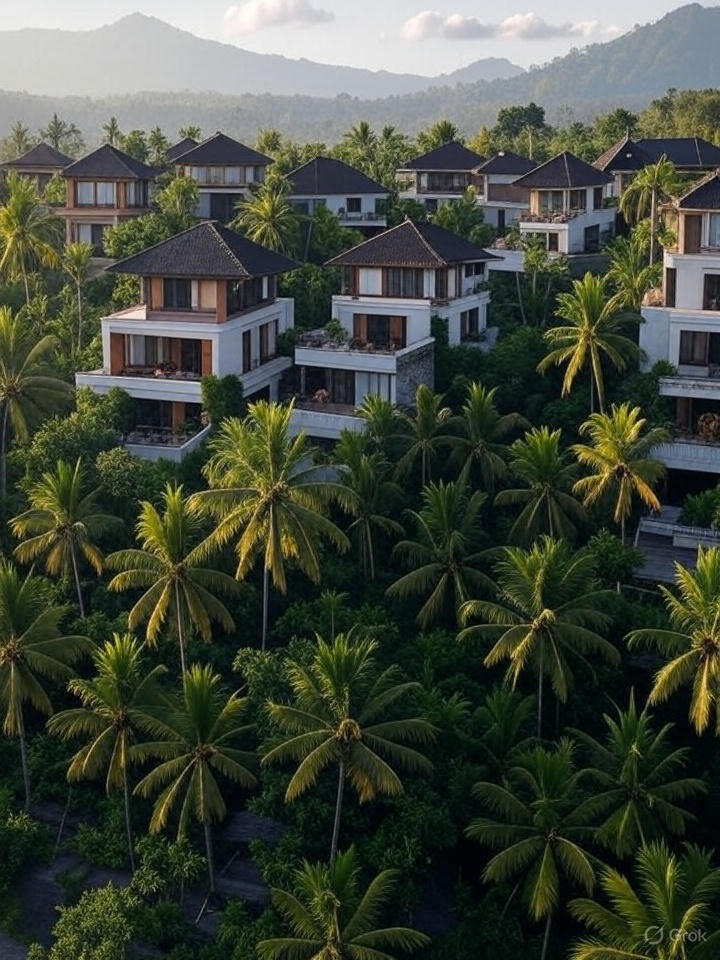
    Illegal rental villas in Bali are often constructed without regard for environmental regulations, leading to significant ecological damage. Areas like Canggu, once characterized by lush rice fields, are now crowded with villas that lack proper zoning compliance. These developments encroach on agricultural land, disrupt water management systems, and strain local infrastructure. The absence of SLF and PBG certifications means these properties bypass environmental impact assessments, contributing to deforestation, soil erosion, and pollution.

    For instance, unregulated construction often ignores Bali’s traditional subak irrigation system, a UNESCO-recognized cultural heritage. The conversion of fertile land into concrete jungles threatens food security and the island’s natural beauty, which draws millions of tourists annually. Without stricter enforcement, the environmental degradation caused by illegal rental villas in Bali could irreparably harm the island’s ecosystems.

    Also read Ring in the New Year: Bali Beachfront Resort Parties You Can’t Miss

    Economic Impacts: Undermining Local Prosperity

    The economic consequences of illegal rental villas in Bali are equally alarming. These properties evade taxes, depriving the local government of the revenue needed for public services, such as infrastructure maintenance and waste management. Kadek Adnyana emphasizes that this loss of income directly affects Balinese communities, who rely on tourism-related funds for development projects. Legal villa operators, who comply with regulations and pay taxes, face unfair competition, as illegal villas often offer lower rates due to their lower operational costs.

    Moreover, illegal rental villas contribute to economic inequality. Foreign investors or operators often run these properties, with profits leaving the island rather than benefiting local economies. This practice undermines small-scale Balinese businesses, such as family-run homestays and restaurants, which struggle to compete. By prioritizing short-term gains, illegal villas jeopardize the long-term economic stability of Bali’s tourism sector.

    Cultural Heritage at Risk

    Bali’s unique cultural identity, rooted in its Hindu traditions and architectural aesthetics, is under threat from the proliferation of illegal rental villas. Many of these properties disregard Bali’s traditional building principles, such as the Tri Hita Karana philosophy, which emphasizes harmony between humans, nature, and the divine. Instead, modern, non-Balinese designs dominate, eroding the island’s visual and cultural landscape. As noted in reports from Pos Bali, areas like Canggu are losing their traditional charm as rice fields give way to generic villa complexes.

    The influx of illegal rental villas in Bali also fuels social tensions. Local communities often feel marginalized as their land is repurposed for tourism without their consent or benefit. This disconnect risks alienating residents from the tourism industry, which has long been a source of pride and livelihood for Balinese people. Preserving cultural heritage requires striking a balance between tourism growth and respect for local traditions, a balance that illegal villas disrupt.

    The Role of Digital Platforms in the Crisis

    A significant factor enabling the rise of illegal rental villas in Bali is the lack of oversight on digital booking platforms. Many platforms allow property listings without verifying legal compliance, such as SLF or PBG certifications. This loophole enables illegal operators to market their villas to unsuspecting tourists, undermining efforts to regulate the industry. Kadek Adnyana has called for greater accountability from these platforms, urging them to implement stricter vetting processes to ensure only legal properties are promoted.

    The unchecked promotion of illegal rental villas in Bali not only harms the island’s reputation but also puts tourists at risk. Properties without SLF certification may lack safety standards, such as proper fire exits or structural integrity, posing dangers to guests. By choosing unverified accommodations, tourists inadvertently contribute to the cycle of illegal operations.

    Solutions for a Sustainable Future

    Addressing the crisis of illegal rental villas in Bali requires a multi-faceted approach. The BVRMA, led by Kadek Adnyana, advocates for stricter government regulations and enforcement. Key solutions include:

    1. Enhanced Regulatory Oversight: Local and central governments must conduct regular field inspections to identify and penalize illegal rental villas. Streamlining the process for obtaining SLF and PBG certifications can encourage compliance among property owners.
    2. Digital Platform Accountability: Booking platforms should mandate proof of legal documentation before allowing listings. Partnerships between the government and platforms can ensure that only verified rental villas in Bali are promoted.
    3. Community Engagement: Educating locals and tourists about the importance of choosing legal accommodations can foster a sense of collective responsibility. Campaigns highlighting the benefits of supporting compliant rental villas can help shift consumer behavior.
    4. Sustainable Development Policies: Bali’s government should prioritize zoning laws that protect agricultural land and cultural sites. Incentives for eco-friendly and culturally sensitive villa designs can promote sustainable tourism.
    5. Public-Private Collaboration: The BVRMA and other stakeholders can work with authorities to develop a certification program for legal rental villas in Bali, making it easier for tourists to identify compliant properties.

    The Path Forward for Bali’s Tourism

    The proliferation of illegal rental villas in Bali poses a threat to the island’s environment, economy, and cultural heritage, but it’s not too late to act. By implementing stricter regulations, holding digital platforms accountable, and engaging communities, Bali can restore its reputation as a sustainable and culturally rich destination. Tourists also play a crucial role by choosing to rent legal villas in Bali, which supports the island’s long-term prosperity.

    As Kadek Adnyana warns, the future of Bali’s tourism depends on collective action. By addressing the hidden dangers of illegal rental villas in Bali, stakeholders can ensure the island remains a paradise for generations to come. Let’s work together to protect Bali’s unique charm and secure a sustainable future for its people and visitors alike.

  • Spooky Destinations for Thrill-Seekers: Unforgettable Haunted Adventures

    Spooky Destinations for Thrill-Seekers: Unforgettable Haunted Adventures

    For those craving a spine-chilling escape, spooky destinations offer a thrilling blend of history, mystery, and ghostly lore. From ancient castles to eerie city tours, these haunted hotspots promise unforgettable adventures for thrill-seekers. Whether you’re drawn to paranormal tales or historical intrigue, this guide explores top spooky destinations like Transylvania’s Bran Castle, New Orleans’ haunted tours, and Scotland’s haunted castles, complete with ghost stories and tour recommendations to fuel your next eerie getaway.

    Transylvania’s Bran Castle: Dracula’s Haunting Legacy

    Nestled in Romania’s misty Carpathian Mountains, Bran Castle is a must-visit for fans of spooky destinations. Often linked to Vlad the Impaler, the inspiration for Bram Stoker’s Dracula, this 14th-century fortress exudes Gothic charm. Legends whisper of restless spirits roaming its stone corridors, with tales of Vlad’s brutal reign adding to the eerie atmosphere. Visitors report cold spots and unexplained shadows, especially in the castle’s shadowy towers.

    Guided Tour Recommendation: Opt for the After-Hours Tour, which delves into the castle’s vampire myths and medieval history. Available through local operators like Transylvania Live, these tours run nightly and cost around €40. Book in advance for smaller groups and a more immersive experience. Combine your visit with a trip to nearby Poenari Castle, Vlad’s real stronghold, for a deeper dive into the Dracula legend.

    New Orleans’ Haunted Tours: Spirits of the French Quarter

    New Orleans, Louisiana, is a haven for spooky destinations, with its voodoo history and ghostly tales. The French Quarter’s cobblestone streets teem with stories of spectral residents, from the infamous LaLaurie Mansion, where tortured souls are said to linger, to the haunted St. Louis Cemetery No. 1, resting place of voodoo queen Marie Laveau. Nightly ghost tours blend historical facts with chilling anecdotes, making this a top spot for paranormal enthusiasts.

    Guided Tour Recommendation: Haunted History Tours offers a 2-hour French Quarter Ghost Tour for $30, covering haunted sites and voodoo lore. For a unique twist, try their Vampire Tour, which explores the city’s darker myths. Tours depart nightly at 8 PM from the French Quarter; book online for discounts. Pro tip: Wear comfortable shoes and bring a camera for potential ghostly captures.

    Scotland’s Haunted Castles: Glamis and Edinburgh

    Scotland’s rugged landscapes are home to some of the world’s most haunted castles, perfect for thrill-seekers seeking spooky destinations. Glamis Castle, in Angus, is famed for its ghostly inhabitants, including the Grey Lady and a mysterious “Monster of Glamis,” rumored to be a hidden family member. Its 15th-century halls echo with tales of betrayal and tragedy. Meanwhile, Edinburgh Castle, perched atop a volcanic rock, is notorious for phantom pipers and spectral prisoners from its days as a fortress.

    Guided Tour Recommendation: For Glamis, book the Glamis Castle Ghost Tour, available seasonally for £20, which includes access to restricted areas and chilling stories from expert guides. In Edinburgh, Mercat Tours’ Ghosts and Ghouls Tour (£25) explores the castle and its underground vaults, known for paranormal activity. Both tours are best booked online, especially during peak seasons like October. Arrive early to soak in the eerie ambiance.

    Why Spooky Destinations Captivate Thrill-Seekers

    Spooky destinations like Bran Castle, New Orleans, and Scotland’s haunted castles offer more than just chills. They provide a window into history and culture. Ghost stories often stem from real events, like Vlad’s brutal campaigns or New Orleans’ complex past, making these sites both thrilling and educational. Guided tours enhance the experience by weaving historical context with paranormal tales, ensuring visitors leave with both goosebumps and knowledge.

    Tips for Visiting Spooky Destinations

    To make the most of your haunted adventure, plan. Book tours early, especially for popular spooky destinations like New Orleans, where group sizes are often limited. Research the historical context of each site to deepen your appreciation; knowing the real stories behind the ghosts adds to the thrill. Dress for the weather, as many tours involve outdoor walking, and consider nighttime visits for maximum atmosphere. Finally, keep an open mind; whether you believe in ghosts or not, the stories and settings are sure to captivate.

    Plan Your Spooky Adventure Today

    From Transylvania’s Dracula-inspired Bran Castle to the haunted streets of New Orleans and Scotland’s storied castles, these spooky destinations promise thrills for every adventurer. Whether you’re chasing ghost stories or diving into history, guided tours offer the perfect way to explore. Pack your courage, book your tours, and embark on a haunting journey that blends the eerie with the unforgettable.

  • Seasonal Guide to Komodo Diving: How Long to Stay in Dry vs. Wet Season

    Seasonal Guide to Komodo Diving: How Long to Stay in Dry vs. Wet Season

    Planning a Komodo diving trip requires careful consideration of the time of year, as the season significantly impacts your experience underwater and the ideal length of your stay. Komodo National Park, a UNESCO World Heritage Site in Indonesia, is renowned for its vibrant marine biodiversity, from colorful coral reefs to majestic manta rays. However, the dry and wet seasons offer distinct diving conditions, affecting everything from visibility to site accessibility. This guide explores how long you should stay in Komodo for diving during each season, ensuring you make the most of your adventure. Whether you’re a seasoned diver or a weather-conscious traveler, we’ll help you plan the perfect trip with practical tips and seasonal insights.

    Understanding Komodo’s Diving Seasons

    Komodo National Park, located near Labuan Bajo, is a year-round diving destination. Still, it’s two distinct seasons, dry (April to October) and wet (November to March), that shape the diving experience. Each season has unique advantages and challenges, influencing how many days you’ll need to enjoy Komodo diving fully. By aligning your trip with the right season and duration, you can optimize your time exploring iconic sites like Batu Bolong, Crystal Rock, and Manta Point.

    Dry Season (April–October): 5–7 Days for Ideal Conditions

    The dry season is the most popular time for Komodo diving, offering calm seas, excellent visibility (often exceeding 20 meters), and stable weather. With minimal rainfall and gentler currents, this period is ideal for divers of all levels, from beginners to advanced. A 5–7-day trip is recommended to balance diving with relaxation and exploration.

    During the dry season, you can dive multiple times daily, visiting a variety of sites. For example, Castle Rock and Crystal Rock are known for strong currents but reward divers with schools of trevally and vibrant corals. A 5-day itinerary allows you to cover 8–10 dives, hitting must-see sites like Tatawa Besar and Manta Point, where manta rays gather in large numbers. Adding a couple of extra days (up to 7) gives you time for land-based adventures, such as trekking to see Komodo dragons on Rinca or Komodo Island.

    For a 5-day trip, focus on day trips from Labuan Bajo, which typically include 2–3 dives per day. A 7-day trip, however, is perfect for liveaboards, which offer access to remote sites like South Komodo’s Mawan or Padar’s Three Sisters. The dry season’s predictability means you won’t need buffer days for weather disruptions, making 5–7 days sufficient for a fulfilling Komodo diving experience.

    Pro Tip: Check weather forecasts on sites like Windy to confirm calm conditions before booking. Opt for dive operators with flexible schedules, such as Flores Diving Centre, to maximize your dive time.

    Also read Combining Wellness and Exploration: Yoga and Spa Retreats on Komodo Liveaboards

    Wet Season (November–March): 7–10 Days for Flexibility

    The wet season brings more rainfall, higher humidity, and occasionally rough seas. However, it’s still a fantastic time for Komodo diving, especially for those seeking unique marine encounters. Visibility may drop to 10–15 meters in some areas, and currents can be stronger, making this season better suited for experienced divers. To account for potential weather disruptions, a 7–10-day trip is recommended.

    One of the wet season’s highlights is the increased presence of manta rays, particularly at Manta Point and Manta Alley, where aggregations are more frequent due to nutrient-rich waters. Sites like Batu Bolong remain accessible, though conditions may require advanced skills. A 7-day itinerary allows for 10–12 dives, but adding a few extra days (up to 10) provides a buffer for rain or choppy seas, ensuring you don’t miss key sites.

    Liveaboards are especially popular in the wet season, as they can navigate to calmer areas when conditions shift. For example, a 7-day liveaboard might cover both North and South Komodo, including sites like Gili Lawa Laut, known for its shark sightings. Land-based diving from Labuan Bajo is also viable. However, you may need to adjust plans based on daily weather updates. A 10-day trip gives you the flexibility to mix diving with cultural activities, such as visiting local villages or exploring the pink sands of Pantai Merah.

    Pro Tip: Monitor weather updates through AccuWeather or local dive operator reports. Book with operators like Blue Marlin Komodo, which offer adaptable itineraries to navigate wet season challenges.

    Seasonal Highlights to Plan Your Trip Around

    Each season offers unique marine encounters that can influence your Komodo diving duration. In the dry season, the focus is on vibrant coral gardens and large pelagics like reef sharks and groupers, with sites like Shotgun delivering thrilling drift dives. The calm conditions allow for more consistent dive schedules, making a shorter 5–7-day trip highly productive.

    In the wet season, manta ray aggregations steal the show, particularly from January to March. You might also spot juvenile whale sharks in certain areas, adding excitement to your dives. However, unpredictable weather means you’ll need extra days to ensure you can visit these bucket-list sites. A 7–10-day trip ensures you have enough time to wait out brief storms and still enjoy 10–15 dives.

    Practical Tips for Planning Your Komodo Diving Trip

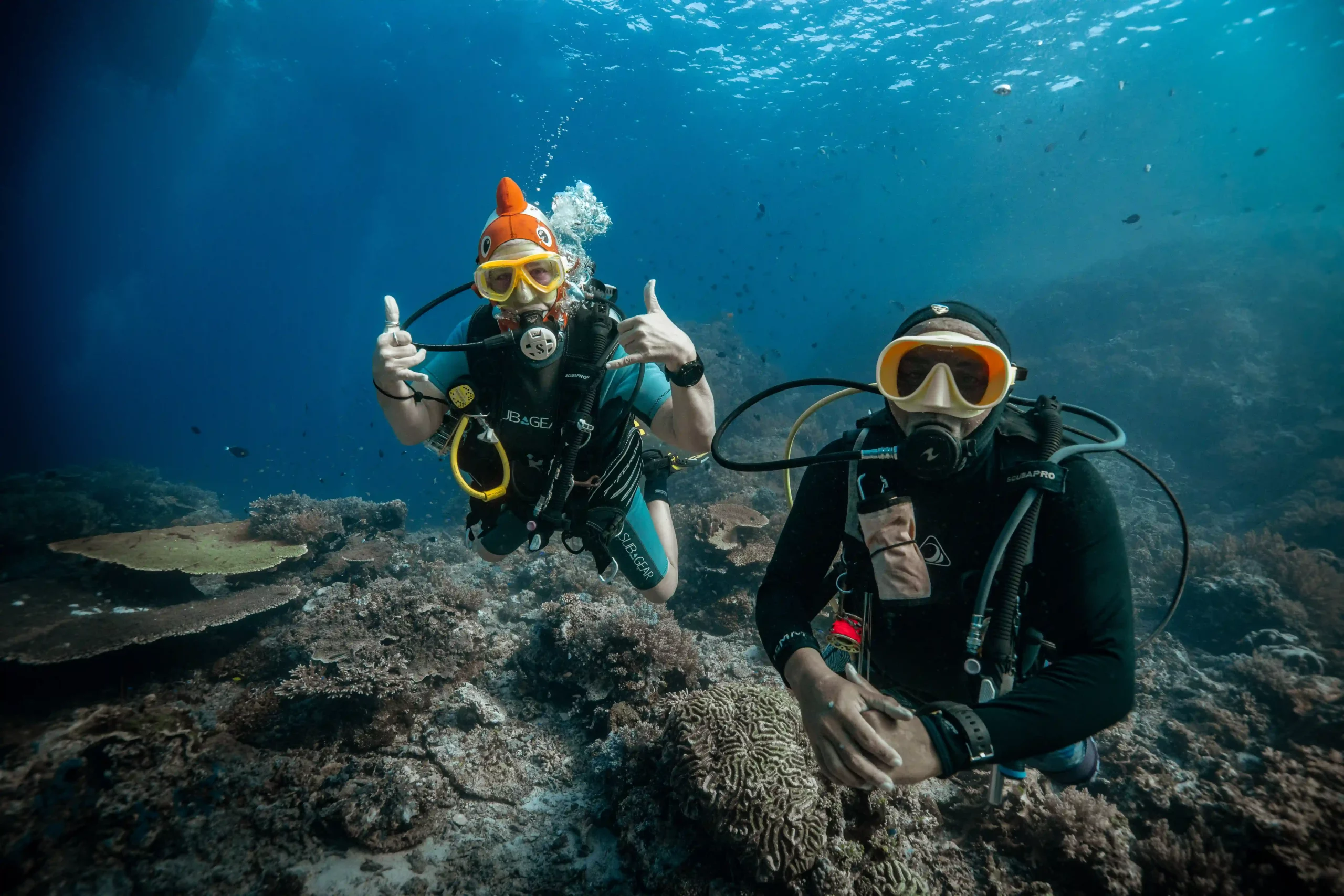
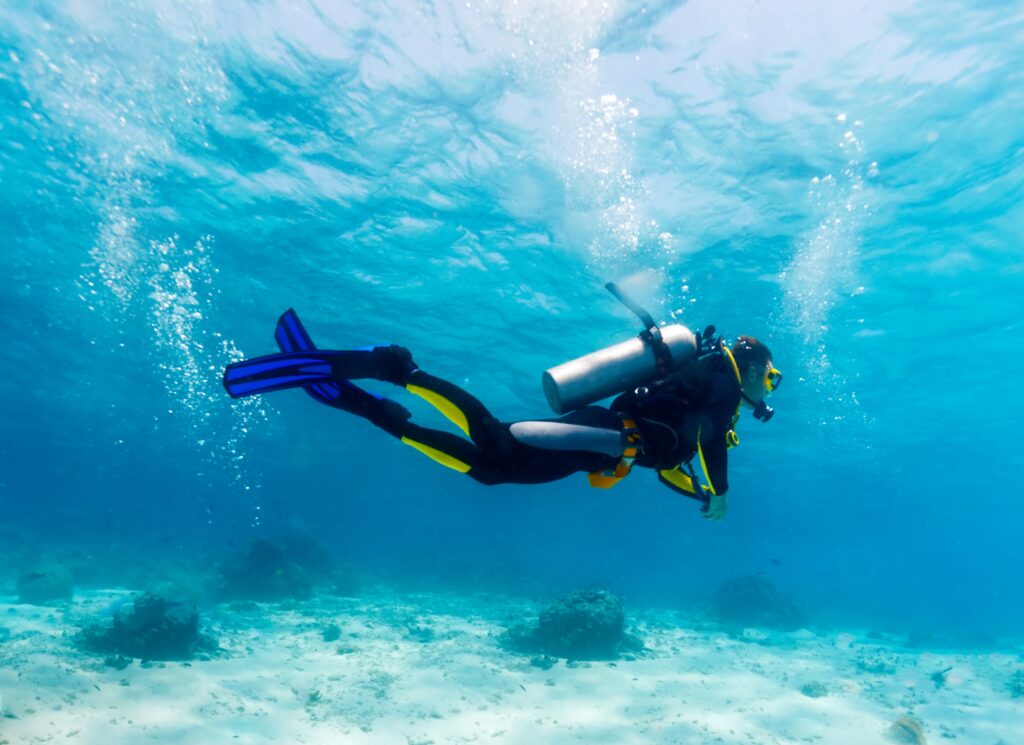
    Komodo diving in dry season
    1. Check Weather Forecasts: Use reliable tools like Windy or AccuWeather to track sea conditions and rainfall. This is especially crucial in the wet season to avoid scheduling dives during rough weather.
    2. Book Flexible Itineraries: Choose dive operators with adaptable schedules. Reputable operators like Flores Diving Centre or Blue Marlin Komodo offer tailored trips and can adjust plans based on conditions.
    3. Consider Your Skill Level: The dry season suits all divers, while the wet season’s stronger currents may require advanced certifications. Plan your trip length based on your comfort level with challenging conditions.
    4. Mix Diving with Land Adventures: Both seasons offer opportunities to complement diving with Komodo dragon treks or snorkeling at Pink Beach. A 7-day trip (dry season) or 10-day trip (wet season) allows time for these extras.
    5. Pack for the Season: In the dry season, bring lightweight gear and sun protection. For the wet season, include waterproof bags and quick-dry clothing to handle rain.

    How Long Should You Stay?

    For the dry season (April–October), a 5–7-day trip is ideal, offering calm seas, excellent visibility, and enough time to explore Komodo’s best dive sites. In the wet season (November–March), plan for 7–10 days to account for weather variability and to catch seasonal highlights like manta ray aggregations. Whether you choose a liveaboard or land-based diving, aligning your trip length with the season ensures a memorable Komodo diving adventure.

  • The Cost of a View: Is TNK’s Rp 2 Million Drone Fee Justified with Komodo Yacht Charter?

    The Cost of a View: Is TNK’s Rp 2 Million Drone Fee Justified with Komodo Yacht Charter?

    The Komodo National Park (TNK), a UNESCO World Heritage Site, is renowned for its breathtaking landscapes and unique biodiversity, including the iconic Komodo dragon. For travelers embarking on a Komodo Yacht Charter, capturing aerial footage with drones is tempting, but the Rp 2 million drone permit fee has sparked debate, especially after travel blogger Harival Zayuka was denied use despiteસ

    System: Despite paying the fee due to a lack of a SiMaksi permit, with no refund offered. This article debates the fairness of TNK’s drone fee, its role in conservation, and how it compares to drone policies in other global national parks, while considering the implications for Komodo Yacht Charter enthusiasts.

    The Harival Zayuka Incident: A Case Study

    Harival Zayuka’s viral Instagram post highlighted a frustrating experience: despite paying Rp 2 million (approximately USD 122) for a drone permit, he was barred from flying over Pulau Padar due to an unobtained SiMaksi permit, a separate requirement for entry into a conservation area. The non-refunded fee left him disappointed, missing a sunset shot. This incident highlights the complexity of TNK’s regulations, which require both a drone operation fee and a SiMaksi permit, both of which must be processed through separate platforms. The lack of integration between the SiOra app for ticket purchases and the SiMaksi application process has led to confusion, as Zayuka’s case illustrates, raising questions about the fairness of the fee.

    Conservation Contributions of the Drone Fee

    The Rp 2 million drone fee, as outlined by the Komodo National Park authority, supports conservation efforts critical to protecting TNK’s delicate ecosystem, home to 1,300 Komodo dragons and diverse marine life. Drones can disturb wildlife, particularly on islands like Kalong and Rinca, where their use is banned to prevent stress to bats and dragons. The fee funds park management, ranger patrols covering 22,370 km annually, and anti-poaching technology like SMART systems and cameras. According to the Komodo Survival Program, these efforts combat illegal fishing and poaching, preserving the park’s 253 coral species and 1,000 fish species. The fee’s contribution to these initiatives suggests it’s more than a revenue grab. Still, its high cost and administrative hurdles demand scrutiny.

    Global National Park Drone Policies

    Comparing TNK’s drone policy to other global national parks provides context. In Australia’s Great Barrier Reef Marine Park, drone permits cost approximately AUD 500 (USD 340) per year, with strict no-fly zones in place over sensitive areas. Yellowstone National Park in the United States bans drones outright to protect wildlife and the visitor experience, with fines of up to $5,000 for violations. Tanzania’s Serengeti National Park requires permits, which cost $50-$100 and are processed through local authorities, with restrictions in place near animal habitats. TNK’s Rp 2 million daily fee is notably higher than most. However, its separate SiMaksi requirement aligns with global practices that emphasise environmental protection. Unlike Yellowstone’s outright ban, TNK allows regulated drone use; however, the cost and process complexity exceed those of many parks.

    Is the Fee Fair for Travelers?

    For travelers on a Komodo Yacht Charter, the Rp 2 million fee can feel steep, especially when unexpected permit issues, like Zayuka’s, prevent usage without refunds. The daily rate of the fees—potentially Rp 6 million for a three-day trip—can rival accommodation costs in Labuan Bajo, making it a significant expense for drone enthusiasts. Critics argue the fee disproportionately affects individual travelers compared to commercial operators, who may absorb costs into packages. However, the fees’ conservation benefits, such as funding patrols and habitat preservation, justify their existence for many. The planned integration of SiMaksi and drone ticket processes on the SiOra platform promises to streamline future experiences, potentially alleviating frustrations.

    Balancing Cost and Conservation

    The high cost of TNK’s drone fee reflects the park’s commitment to conservation and environmental protection. Still, its fairness hinges on transparency and accessibility. Compared to other global parks, TNK’s fee is on the higher end. Yet, its unique biodiversity and UNESCO status warrant stringent measures. For Komodo Yacht Charter travelers, ensuring compliance with both SiMaksi and drone fee requirements is crucial to avoid a similar fate to Zayuka’s. As TNK refines its systems, more transparent communication and integrated processes could make the Rp 2 million fee feel more justified, balancing the cost of a stunning aerial view with the preservation of this natural wonder.

  • Time Traveler’s Bucket List: Visiting Places That Feel Frozen in History

    Time Traveler’s Bucket List: Visiting Places That Feel Frozen in History

    Have you ever dreamed of stepping into the past, immersing yourself in eras long gone, and experiencing history as if it were alive? While time travel remains a fantasy, specific destinations offer an uncanny ability to transport you through time. These places, preserved with remarkable care or simply untouched by modernity, feel as though they’ve been frozen in history. Here’s a time traveler’s bucket list for every travel enthusiast.

    Machu Picchu, Peru

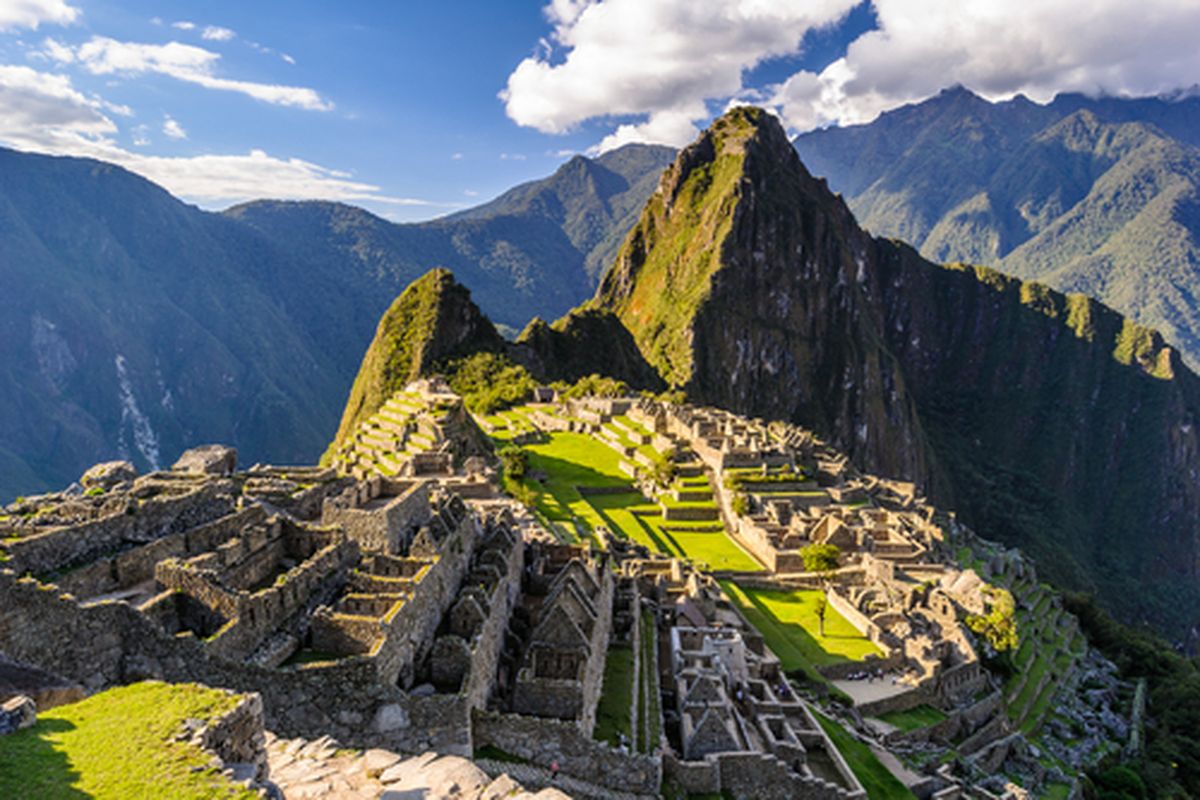
    Perched high in the Andes Mountains, Machu Picchu is a remarkable testament to the excellent craftsmanship of the Inca civilization. This ancient site was built in the 15th century and soon after was left behind, remaining out of sight for many years. It wasn’t until 1911 that the world rediscovered this remarkable place. Walking among the terraced slopes, stone temples, and breathtaking vistas, you can almost hear the whispers of Inca life.

    Rothenburg ob der Tauber, Germany

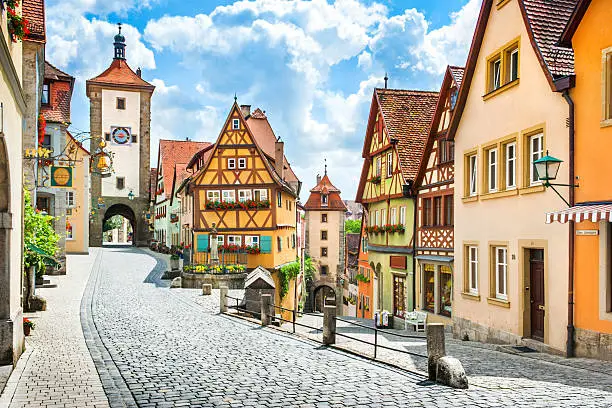
    This Bavarian town is a living storybook. With its cobblestone streets, half-timbered houses, and medieval walls, Rothenburg ob der Tauber feels as if it has been untouched since the Middle Ages. The town’s preservation is so authentic that it has been used as a setting for films like Harry Potter and Pinocchio.

    Petra, Jordan

    Petra, often called the “Rose City” because of its beautiful pink stone buildings, was a bustling trade center for the Nabateans long ago. Carved directly into rock cliffs, its elaborate facades, like the iconic Treasury, date back to the 1st century AD. Wandering through its narrow siq (gorge) entrance feels like entering a hidden world from antiquity.

    Kyoto, Japan

    While Japan’s urban areas buzz with modernity, Kyoto preserves the nation’s traditional essence. Kyoto offers a window into Japan’s feudal past, from its ancient temples like Kinkaku-ji (Golden Pavilion) to the historic Gion district with its wooden machiya houses and geisha culture.

    Read more Tips For Backpackers In Indonesia 2024

    Hampi, India

    Hampi was once the capital of a powerful kingdom called the Vijayanagara Empire. Today, it is identified as a UNESCO World Heritage Site, and visiting it feels like stepping into another world. Its vast ruins, featuring intricate temples, stone chariots, and bustling markets, capture the grandeur of 14th-century South India. Hampi feels like stepping into an ancient epic with its rocky terrain and surreal landscapes.

    Colonial Williamsburg, USA

    This living history museum in Virginia brings 18th-century colonial America to life. Costumed interpreters, functioning blacksmith shops, and meticulously restored buildings make visitors feel like they’ve entered the Revolutionary War era.

    Pompeii, Italy

    Frozen in tragedy, Pompeii offers an unparalleled glimpse into Roman life in 79 AD, just before Mount Vesuvius erupted. Walking through its preserved streets, villas, and amphitheatres, you can almost imagine the bustling city it once was.

    Easter Island, Chile

    The mysterious moai statues of Rapa Nui (Easter Island) are silent sentinels of an ancient Polynesian culture. These colossal figures, crafted between the 13th and 16th centuries, exude an enigmatic presence that makes the island feel timeless.

    Visiting these places is like opening a portal to the past, offering an extraordinary connection to the lives, cultures, and histories of those who came before us. Whether Petra’s architectural grandeur or the quaint charm of Rothenburg ob der Tauber, these destinations remind us that history isn’t just something we read about—it’s something we can still experience. Pack your bags and embark on today’s ultimate time traveler’s bucket list adventure!

  • Ring in the New Year: Bali Beachfront Resort Parties You Can’t Miss

    Ring in the New Year: Bali Beachfront Resort Parties You Can’t Miss

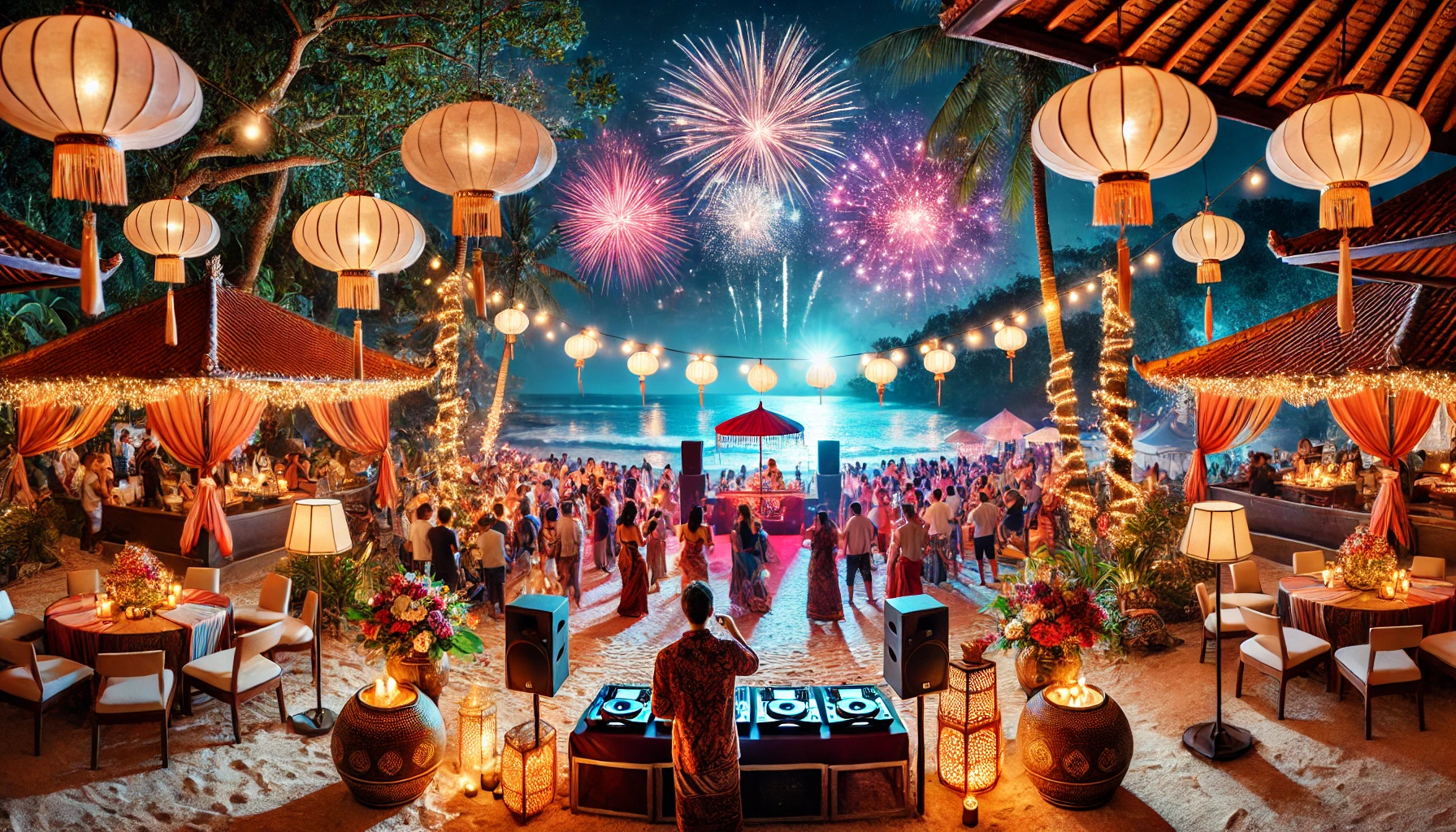
    As the New Year approaches, Bali transforms into a vibrant celebration hub. Offering unforgettable beachfront parties that cater to every style and preference. Picture yourself dancing under a starlit sky, with soft sand under your feet, surrounded by the lively sounds of music and bright fireworks. Whether travelling alone, with friends or with someone special. The beachfront resort in Bali is the perfect place to say goodbye to the old year and greet the new one memorably.

    Fireworks Extravaganza by the Beach

    Nothing screams New Year’s Eve like a dazzling fireworks display lighting the tropical night sky. Many Bali beachfront resorts pull out all the stops, organizing spectacular fireworks shows that can be enjoyed from private beach areas. When the clock hits midnight, the sky bursts into a beautiful display of colors, reflected perfectly in the calm ocean waves. Combine this with a celebratory toast, and you’ll have the perfect start to the year.

    Some resorts host bonfire gatherings to enhance the experience, creating an intimate and cosy atmosphere for guests. Gathering around a warm bonfire and watching the fireworks light up the sky is an experience you’ll cherish for a long time.

    Also, read The Best Resort in Bali: Impact of Potential Hotel Moratorium on Investments.

    Groove to the Beats with Live DJs

    If you want to dance the night away, Bali’s beachfront parties are legendary for their world-class DJ lineups. Resorts in Bali often feature live music and DJ performances spanning genres from house and techno to pop and reggae. With state-of-the-art sound systems and dynamic lighting setups, these events create a festival-like vibe right by the ocean.

    Many of these parties offer exclusive packages, including access to premium lounges, gourmet food, and signature cocktails. Whether you’re swaying to the beat with your toes in the sand or soaking up the party energy from a cabana, the night promises unforgettable moments.

    Embrace Bali’s Rich Culture

    For a unique twist on New Year’s celebrations, some beachfront resort in Bali incorporate traditional Balinese performances and rituals into their festivities. Guests can enjoy mesmerizing Kecak dances, live gamelan music, and even blessing ceremonies to start the new year with positive energy and cultural appreciation. Bali’s unique blend of modern celebration and traditional artistry makes it a standout New Year’s destination.

    Don’t miss the chance to indulge in locally inspired cuisine at these events. Many resorts feature buffets or set menus showcasing Balinese and international dishes, ensuring your New Year’s Eve feast is as memorable as the festivities.

    Family-Friendly New Year’s Celebrations

    For families, some of the best resorts in Bali organize kid-friendly New Year’s Eve activities alongside their main events. Think beach games, treasure hunts, and even mock countdowns for younger guests. Families can unwind and enjoy the celebrations, secure in knowing that their kids are having just as much fun. Dedicated childcare services and supervised activities mean everyone gets to celebrate in their way.

    Wake Up to a New Year’s Sunrise

    Waking up to a breathtaking sunrise is the perfect way to start the year after the New Year’s Eve party. Bali’s eastern beaches are renowned for their stunning dawn views, and many beachfront resorts offer early-morning yoga sessions or guided beach walks to help you greet the day with a sense of renewal. Afterwards, enjoy a lavish breakfast with tropical fruits, freshly baked pastries, and hearty local delicacies.

  • Rediscover Yourself in Bali: Wellness Retreats and Beyond

    Rediscover Yourself in Bali: Wellness Retreats and Beyond

    Bali is a beautiful island famous for its green hills and peaceful beaches. It is a perfect escape for anyone looking to relax and find tranquillity. This Indonesian paradise isn’t just famous for its stunning scenery and rich culture; it’s also a popular place for wellness and relaxation. Whether you’re looking to de-stress through yoga, embrace traditional Ayurvedic practices, or indulge in spa treatments, Bali has it all. Here’s how to rediscover yourself in Bali through wellness retreats and holistic programs.

    Yoga and Meditation Retreats

    Bali’s rich spiritual heritage makes it an ideal place for yoga and meditation retreats. Centres like The Yoga Barn in Ubud offer immersive experiences where visitors can practice various yoga styles, such as Hatha, Vinyasa, and Ashtanga, surrounded by lush greenery and peaceful surroundings. These retreats often include guided meditation sessions that help you find mental clarity and deepen your mindfulness practice.

    With skilled instructors and serene natural settings, yoga retreats in Bali provide the perfect opportunity to reconnect with your body and mind. The calming environment allows you to leave behind the stress of daily life and engage fully in your wellness journey. Whether you’re a beginner or an advanced practitioner, you’ll find classes and programs tailored to your needs, transforming your stay.

    Also read Combining Wellness and Exploration: Yoga and Spa Retreats on Komodo Liveaboards.

    Ayurvedic and Spa Treatments

    No wellness experience in Bali would be complete without indulging in Ayurvedic treatments and luxurious spa experiences. Based on centuries-old Indian traditions, Ayurvedic treatments balance the body’s energies using natural therapies, herbal massages, and detoxification programs. Bali’s premier wellness centers, such as Fivelements and COMO Shambhala Estate, offer comprehensive Ayurvedic programs that experienced therapists conduct.

    Spa experiences in Bali are truly special. You can enjoy a traditional Balinese massage that helps ease stress and boost your blood flow or try an aromatherapy session that uses local essential oils for a soothing effect. The island’s spas are renowned for their use of natural, locally grown ingredients, enhancing the benefits of your treatments.

    Picture yourself enjoying a relaxing afternoon at an outdoor spa, where the gentle sounds of nature surround you. You could treat yourself to a soothing hot stone massage or a refreshing body scrub with fragrant tropical herbs. These pampering experiences help your body relax and feel more in tune with your surroundings, leaving you refreshed and at ease.

    Healthy Eating and Detox Programs

    Bali is famous for its wellness retreats, which focus on caring for the whole person and promoting good health and relaxation. Many of these retreats offer delicious meals made from fresh, local ingredients, emphasizing healthy foods that are good for you. Restaurants like Alchemy and Clear Cafe provide tasty raw and vegan options that support a body-cleansing way of eating.

    Detox programs in Bali aim to help clear your body of unwanted substances, improve how your body digests food, and enhance your overall health. These programs usually include juice fasts, plant-based meals, and herbal teas for cleansing. A detox program can boost your energy and focus, leaving you revitalized and refreshed.

    Embrace a Transformative Experience

    Discovering yourself in Bali is more than just taking a vacation. The island offers various ways to refresh your mind and body, including yoga classes, meditation sessions, and healthy meals. Bali is known for its wellness scene, where you can explore different activities that help you feel rejuvenated and connected to yourself.

    Bali’s wellness retreats offer a complete experience with serene yoga studios, premium spas, and healthy cafes. Take the chance to rediscover who you are in Bali, where every moment encourages you to relax, recharge, and uplift your spirit.

  • The Best Resort in Bali: Impact of Potential Hotel Moratorium on Investments

    The Best Resort in Bali: Impact of Potential Hotel Moratorium on Investments

    Bali, an island synonymous with luxury and tranquillity, has long been home to some of the best resorts in the world. Recent talks about possibly pausing new hotel developments in Bali are causing quite a buzz in the hospitality industry. This potential halt makes people consider what it could mean for future investments and how the island’s hotel scene might change. If this pause happens, it could significantly impact investors and change the experience of staying at the best resort in Bali.

    Why a Moratorium?

    The Governor of Bali, Wayan Koster, has proposed halting new hotel development to address several pressing issues facing the island. Over the years, rapid expansion in the hotel sector has contributed to environmental strain, traffic congestion, and an oversaturation of the market. The local government aims to curb these negative impacts by pausing new constructions and promoting a more sustainable growth model.

    This plan considers environmental issues, which could change how investments are managed. Investors might need to adjust their strategies and consider improving their facilities to stay competitive. For those who already run what is regarded as the best resort in Bali. This is a chance to strengthen their position by focusing on high-quality experiences and unique offerings that set them apart.

    Balancing Growth and Sustainability

    The push for a hotel development moratorium underscores Bali’s struggle to balance economic growth and environmental sustainability. Bali’s natural beauty is a major attraction, drawing millions of tourists annually. However, this popularity comes at a cost. Overcrowding and infrastructure stress are visible in many parts of the island, leading to concerns about maintaining the quality of life for residents and the overall visitor experience.

    best resort in bali

    For those involved in Bali’s top resorts, the current situation can be seen as both a challenge and a chance for growth. On the one hand, restrictions on new businesses entering the market might help existing resorts avoid competition, allowing them to remain strong. Resorts must adopt sustainable practices to meet government expectations and maintain Bali’s appeal to visitors.

    Read more Best Resort in Bali? ITDC Free Electric Shuttle Service Makes It Even Better.

    Implications for the Investment Landscape

    The potential moratorium could have profound implications for both local and international investors. Those entering the market should reassess strategies, focusing on resort refurbishments and service quality instead of new builds. This shift could drive up the value of existing luxury accommodations as competition remains limited.

    This new landscape emphasizes the importance of differentiation for owners and operators managing what is already considered the best resort in Bali. Maintaining a competitive edge could hinge on implementing eco-friendly practices, leveraging technology for an enhanced guest experience, and prioritizing personalized service. Resorts that adapt successfully will meet new regulatory standards and become benchmarks for sustainability and luxury.

    Sustainability as a Selling Point

    The idea of pausing certain activities shows Bali’s dedication to protecting the environment in the long run. This is important to travelers worldwide who are more aware of how their choices impact the planet. Resorts taking the lead in environmental care might gain recognition as some of the best places to stay in Bali. Tourists who value eco-friendliness often prefer hotels that save energy, reduce waste, and support local communities.

    This emphasis on sustainability can be a powerful marketing tool. The best resort in Bali would provide luxury and exceptional service and show leadership in preserving the island’s unique ecosystem. In this context, environmental responsibility becomes a differentiator that can attract a new wave of conscientious travelers.

    The Road Ahead

    The possible pause on new hotel developments in Bali brings both challenges and opportunities. Instead of seeing this as a setback, investors and hotel operators should consider it a chance to rethink their business plans and adapt to new trends, focusing more on quality than just having more hotels.

    In this changing landscape, those who embrace sustainable practices will be the ones to shine. The top resorts in Bali will showcase their luxury by effectively combining comfort with responsible tourism. This new phase in Bali’s hospitality scene will likely favor those who think ahead and care for the environment.

  • Combining Wellness and Exploration: Yoga and Spa Retreats on Komodo Liveaboards

    Combining Wellness and Exploration: Yoga and Spa Retreats on Komodo Liveaboards

    For people who want a mix of relaxation, wellness, and adventure, Komodo liveaboards are a great way to explore one of Indonesia’s most beautiful places. Known for its incredible marine life, untouched islands, and the world-famous Komodo dragons, the Komodo National Park is also gaining popularity for wellness retreats on liveaboards, combining yoga, spa treatments, and exploration. Explore the growing trend of wellness-focused liveaboard journeys, offering a rejuvenating way to discover Komodo’s wonders.

    What is a Wellness Liveaboard?

    A wellness liveaboard combines the traditional experience—sailing and exploring remote locations—with health and relaxation activities like yoga, meditation, and spa treatments. These floating getaways are great for people who want to take a break from their hectic lives and concentrate on their health and happiness while surrounded by nature. Why Choose Komodo for a Wellness Liveaboard?

    Breathtaking Scenery:

    Komodo National Park offers a picturesque backdrop for a wellness journey, with its stunning beaches, vibrant coral reefs, and majestic hills. Start your day with a morning yoga session outside, watching the beautiful sunrise over the wild islands of Komodo. It’s a fantastic experience that you’ll never forget.

    Marine Life and Exploration:

    The Komodo area is renowned for its world-class diving and snorkeling spots. It is home to diverse marine life, including manta rays, sea turtles, and vibrant coral gardens. After your wellness activities, enjoy snorkeling or diving to explore the underwater world.

    Unwind on Secluded Islands:

    Many wellness liveaboards take guests to secluded beaches where they can practice yoga on soft, white sands and indulge in spa treatments with only the sound of waves in the background. This is a perfect escape for those looking to combine adventure and self-care.

    Read Also Educational Fun in Labuan Bajo: A Family Trip Beyond the Ordinary.

    What to Expect from Yoga and Spa Retreats on Komodo Liveaboards

    1. Daily Yoga Sessions:

    Yoga is a central part of wellness liveaboards. Morning and evening yoga sessions allow guests to stretch, meditate, and find inner peace. During many liveaboard trips, instructors conduct yoga sessions properly for people of all skill levels, whether beginners or experienced practitioners. Imagine practicing yoga as the sun rises or sets over Komodo’s dramatic landscapes.

    2. Onboard Spa Treatments:

    Relaxation continues with onboard spa treatments. After a day of discovering the beautiful underwater world of Komodo or exploring the scenic trails of Padar Island, visitors can treat themselves to relaxing massages, facials, and body treatments. The gentle rocking of the boat and the tranquil surroundings create a perfect spa atmosphere.

    3. Balanced, Healthy Meals:

    Wellness liveaboards often focus on providing nutritious, balanced meals. Guests can enjoy fresh, locally sourced ingredients, including tropical fruits, vegetables, and seafood. Meals are typically designed to fuel their bodies for yoga and exploration while keeping them light and refreshed.

    4. Meditation and Mindfulness:

    Wellness retreats onboard also include guided meditation sessions. These relaxing activities, usually done at sunset or in peaceful beach locations, can help people clear their minds, lower stress, and improve their overall health.

    5. Exploration and Adventure:

    A wellness liveaboard experience in Komodo is only complete with exploration. Guests can embark on snorkeling and diving adventures between yoga and spa sessions to witness the park’s marine biodiversity. Many liveaboards offer excursions to visit the famous Komodo dragons or hike the iconic hills of Padar Island.

    Top Liveaboards Offering Yoga and Spa Retreats in Komodo

    1. The Mutiara Laut

    This luxury liveaboard blends traditional Indonesian craftsmanship with modern amenities. Guests can enjoy yoga on the spacious deck and unwind with various spa treatments. The Mutiara Laut’s wellness retreats are paired with Komodo’s top snorkeling and diving spots, offering a holistic travel experience.

    2. Prana by Atzaro

    Prana by Atzaro is known for its ultra-luxurious wellness packages. It offers daily yoga and meditation classes, personalized spa treatments, and gourmet meals. Whether lounging on the deck or practicing yoga on a secluded beach, Prana by Atzaro promises an immersive wellness experience.

    3. The Silolona

    The Silolona offers specialized wellness retreats with yoga and meditation instructors, spa therapists, and an emphasis on health-conscious dining. Guests can explore the Komodo Islands between wellness sessions, ensuring the perfect balance of adventure and relaxation.

    Benefits of a Wellness Liveaboard Experience

    1. Complete Relaxation and Rejuvenation:

    Wellness liveaboards offer a unique chance to relax and recharge fully. The combination of yoga, spa treatments, and the calming environment of the Komodo Islands promotes deep relaxation and healing, leaving guests feeling rejuvenated.

    2. Disconnect to Reconnect:

    With limited connectivity in the remote regions of Komodo, wellness liveaboard guests can truly disconnect from technology and the pressures of daily life. This allows for a deeper connection with nature, themselves, and their fellow travelers.

    3. Adventure with a Purpose:

    For many travelers, a wellness liveaboard offers a fulfilling experience. By combining adventure activities such as snorkeling or diving with self-care activities, you leave the journey with wonderful memories and a refreshed mind and body.