A Triton Bay liveaboard is ideal for divers seeking a more secluded Indonesian diving experience, away from the better-known routes. Located in the Kaimana region of West Papua, Triton Bay is known for whale sharks, wobbegong sharks, soft coral gardens, macro subjects, and nutrient-rich waters that support intense marine life.
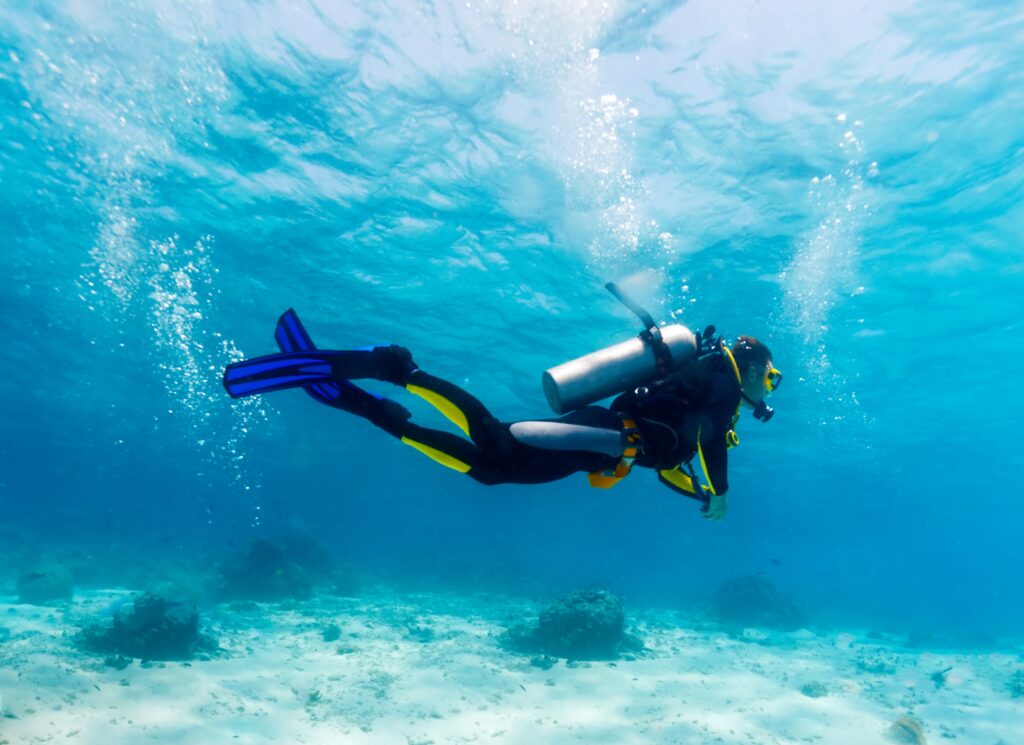
Why Triton Bay Feels Different
Triton Bay does not always offer the crystal-clear visibility associated with postcard diving. Instead, its magic often comes from plankton-rich waters, dense fish activity, soft coral colours, and encounters with rare species. Wallacea Dive Cruise notes that visibility in Triton Bay commonly ranges from 10 to 15 metres, with lower visibility possible because of plankton levels. That same nutrient richness helps attract diverse marine life, including whale sharks.
This makes the destination especially interesting for experienced divers and photographers. The Triton Bay liveaboard experience is less about predictable tropical perfection and more about rare, immersive, wildlife-rich diving.
The Appeal of Whale Shark Encounters
One of Triton Bay’s strongest attractions is the chance to encounter whale sharks around traditional fishing platforms known as bagans. Wallacea describes Namatote as a site where whale sharks are often found beneath these platforms in search of baitfish.
This creates a very specific type of marine encounter. Rather than searching open blue water, divers and snorkellers may experience whale sharks near local fishing structures, where the relationship between human activity and marine life becomes part of the story. It is one reason Triton Bay stands apart from other Indonesian diving areas.
Data Points Divers Should Know
Wallacea lists Triton Bay water temperature between 27 and 31°C. Visibility is usually 10 to 15 metres, although it can be lower due to plankton. Some sites may have strong currents, while moderate currents are sometimes necessary to stimulate marine activity and fish movement. Wallacea also notes that guides assess currents before dive briefings.
Key Dive Areas in Triton Bay
Triton Bay itself is described by Wallacea as a secluded underwater sanctuary with rare wobbegong sharks and vibrant soft coral gardens. Namatote combines cultural heritage, limestone walls, ancient rock art, and whale shark encounters near bagans. Aiduma is rich in macro life, including pygmy seahorses, ghost pipefish, nudibranchs, and wobbegong sharks. Dramai offers schooling fish, colourful coral formations, anthias, fusiliers, groupers, and wide-angle photography opportunities.
This mix makes the Triton Bay liveaboard experience highly varied. A single itinerary may include whale shark encounters, macro searches, cultural coastal scenery, and vibrant, fish-filled reefs.
Why Liveaboard Travel Works Best Here
Triton Bay is remote. Reaching the best sites requires planning, timing, and local understanding. A liveaboard allows divers to move between Namatote, Aiduma, Dramai, and other areas while staying close to the action. It also creates flexibility when visibility, currents, or wildlife behaviour change.
This matters because Triton Bay is not a destination that should be approached with a fixed checklist. Conditions can shift, and wildlife encounters are always natural. A liveaboard allows the crew to adapt the route and increase the chances of meaningful dives.
Who Should Choose Triton Bay?
Triton Bay is best suited to divers who enjoy rare species, photography, and less crowded destinations. It is excellent for those who have already visited Raja Ampat or Komodo and want a different kind of Indonesian diving experience. It also suits travellers who are comfortable with variable visibility and understand that nutrient-rich waters often support larger marine encounters.
Underwater photographers may especially appreciate the variety. Wide-angle shooters can focus on whale sharks, soft corals, black coral, and schooling fish. Macro photographers can search for frogfish, ghost pipefish, nudibranchs, and pygmy seahorses.
Final Thoughts
A Triton Bay liveaboard is not for travellers seeking the easiest or most mainstream dive trip. It is for divers who want something more unusual: whale sharks near Bagans, wobbegong sharks, soft coral gardens, macro life, cultural coastline scenery, and remote West Papua atmosphere. For those who value rare encounters over predictable visibility, Triton Bay is one of Indonesia’s most rewarding liveaboard frontiers.