
The sun’s warm embrace draws outdoor enthusiasts to explore nature’s beauty, but with it comes the need for adequate sun protection. Finding the right sunblock is essential to safeguarding your skin while indulging in outdoor adventures. This article takes you on a journey through the world of sunblocks, uncovering the best options that cater to different activities and skin types. Whether hiking, swimming, or enjoying a picnic, let’s delve into the sunblock choices that ensure protection and enjoyment.
Understanding Sunblock Basics
Before we dive into the best sunblock options, it’s crucial to understand the basics. Sunblocks, also known as sunscreens, are formulated to protect your skin against the sun’s dangerous ultraviolet ( UV ) rays. UV exposure can lead to sunburn, premature aging, and skin cancer. Sunblocks reflect or absorb UV radiation, creating a barrier between your skin and the sun.
Consider Your Activity: Tailored Protection
Only some outdoor activities are the same, and the sunblock requirements differ. Water-resistant sunblocks with a high SPF (Sun Protection Factor) are necessary for water-based activities like swimming or kayaking. These are designed to adhere to your skin even when exposed to water. On the other hand, sports-oriented sunblocks are formulated to withstand sweat and movement, making them ideal for activities like running, biking, or playing sports.
SPF Matters: Finding the Right Level of Protection
The SPF rating indicates a sunblock’s ability to protect your skin from UVB rays, which are responsible for causing sunburn. The higher the SPF, the longer you can stay in the sun without getting burned. For outdoor enthusiasts, experts recommend sunblocks with an SPF of at least 30. However, keep in mind that SPF doesn’t provide linear protection. SPF 30 blocks about 97% of UVB rays, while SPF 50 blocks around 98%. Going beyond SPF 50 doesn’t offer a significant increase in protection.
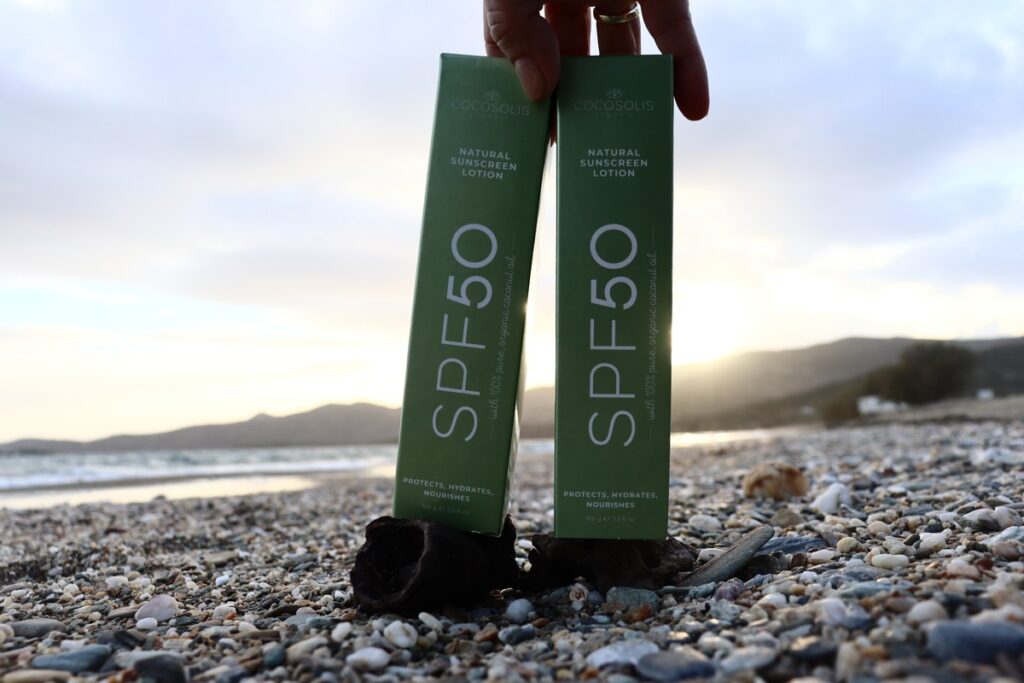
Types of Sunblock: Creams, Lotions, and Sprays
Sunblocks come in various forms, each catering to different preferences and needs. Creams and lotions offer thorough coverage and are suitable for dry or sensitive skin. They must be applied generously every two hours or after swimming or sweating. Sprays are convenient and great for quick reapplication, especially for those with hairy or hard-to-reach areas. However, ensure even coverage and avoid inhaling the spray.
Read More:
Ultimate Guide to Tropical Travel
Unveiling the 6 Best Skincare Ingredients for Effective Anti-Aging
Skin-Friendly Formulations: Catering to Different Skin Types
People have different skin types, and sunblocks come in formulations to accommodate these differences. If you have a skin problem, choose sunblocks labeled “hypoallergenic” or “gentle.” For oily or acne-prone skin, look for non-comedogenic options that won’t clog pores. Those with dry skin can benefit from sunblocks with added moisturizers. Remember, no matter your skin type, regular application is vital to effective protection.
Embrace Natural Ingredients: Mineral Sunblocks
Mineral sunblocks, often called physical sunblocks, use organic components like zinc oxide or titanium dioxide to create a protective layer on your skin. They work by reflecting UV rays away from the skin’s surface. These sunblocks are gentle on sensitive skin and provide broad-spectrum protection. They’re also environmentally friendly, as they don’t contain chemicals that can harm aquatic ecosystems.
The Importance of Reapplication: Stay Covered
While applying sunblock before heading out is crucial, reapplication is equally essential. No sunblock lasts all day, especially during outdoor water or sweat activities. To maintain protection, reapply sunblock every two hours after swimming or heavy sweating. Neglecting reapplication can lead to inadequate protection and increase the risk of sunburn.
Sun-Smart Accessories: Enhancing Protection
Beyond sunblock, accessories can play a role in enhancing your sun protection. Wide-brimmed hats, UV-protective clothing, and sunglasses with UV-blocking lenses shield your skin and eyes from direct sunlight. These accessories complement sunblock usage and provide comprehensive protection.